Premium Kitchen Accessories Factory - Advanced Manufacturing Solutions for Global Culinary Markets

Get a Free Quote

Our representative will contact you soon.
Email
Name
Company Name
Message
0/1000

kitchen accessories factory

A kitchen accessories factory represents a sophisticated manufacturing facility dedicated to producing high-quality culinary tools and equipment that enhance cooking experiences worldwide. These specialized production centers combine advanced manufacturing technologies with traditional craftsmanship to create essential items including cookware sets, cutting boards, kitchen utensils, storage containers, and specialized gadgets. The primary function of a kitchen accessories factory involves transforming raw materials such as stainless steel, silicone, wood, and food-grade plastics into functional products that meet stringent safety standards and consumer demands. Modern kitchen accessories factory operations integrate automated production lines with quality control systems, ensuring consistent output while maintaining competitive pricing structures. The technological features of contemporary manufacturing facilities include precision molding machines, automated assembly systems, computerized quality testing equipment, and environmentally sustainable production processes. These factories employ skilled technicians and engineers who oversee complex manufacturing workflows, from initial design concepts through final packaging and distribution. Applications of kitchen accessories factory products span residential cooking environments, commercial restaurant operations, catering services, and hospitality industry establishments. The manufacturing process typically involves multiple stages including material sourcing, design development, prototype creation, mass production, quality assurance testing, and packaging preparation. Advanced kitchen accessories factory facilities often maintain research and development departments that focus on innovation, ergonomic improvements, and consumer trend analysis. Supply chain management plays a crucial role in factory operations, coordinating raw material procurement, production scheduling, inventory management, and global distribution networks. Environmental considerations have become increasingly important, with many factories implementing sustainable practices including waste reduction programs, energy-efficient machinery, and recyclable packaging solutions. The global reach of kitchen accessories factory networks enables manufacturers to serve diverse international markets while adapting products to regional preferences and regulatory requirements.

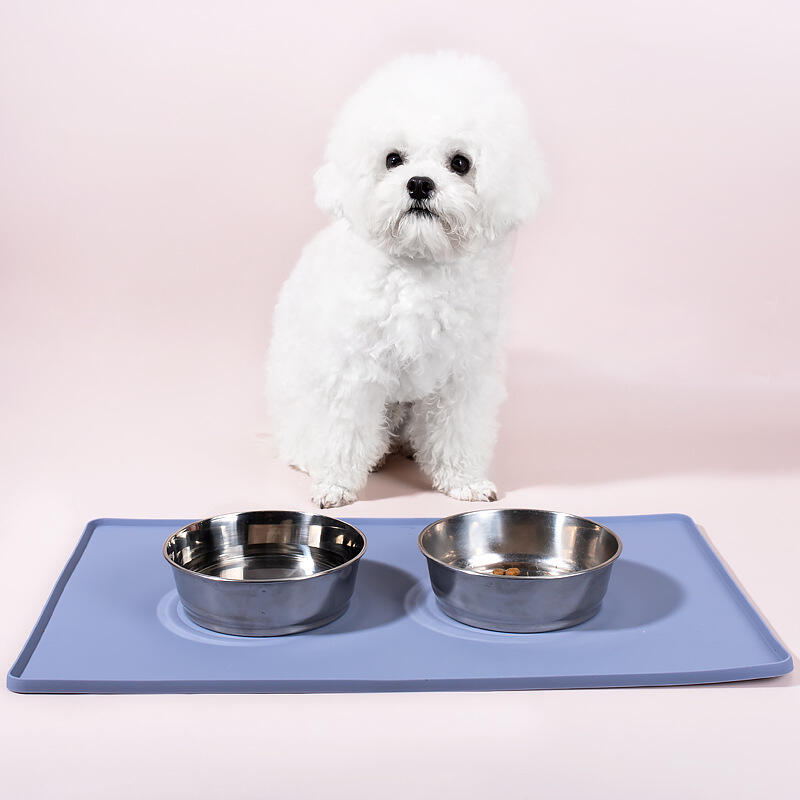
New Products

Kitchen accessories factory operations deliver numerous compelling advantages that directly benefit consumers, retailers, and the broader culinary industry through efficient manufacturing processes and innovative product development. Cost efficiency represents a primary advantage, as large-scale production capabilities enable factories to reduce per-unit manufacturing costs while maintaining superior quality standards, ultimately translating to more affordable pricing for end consumers. Quality consistency emerges as another significant benefit, with standardized production procedures ensuring every kitchen accessory meets identical specifications and performance criteria, eliminating variations that might compromise user satisfaction. The kitchen accessories factory environment facilitates rapid innovation cycles, allowing manufacturers to quickly respond to emerging cooking trends and consumer preferences by developing new products or improving existing designs through dedicated research teams. Supply chain reliability becomes particularly valuable during market fluctuations, as established factory networks maintain steady production schedules and inventory levels, preventing shortages that could disrupt retail operations or consumer access to essential cooking tools. Customization capabilities represent another advantage, enabling kitchen accessories factory operations to accommodate specific retailer requirements, private label arrangements, or specialized product modifications without significant production delays. Safety compliance stands as a critical benefit, with factory quality control systems ensuring all products meet international food safety standards and regulatory requirements before reaching consumer markets. Environmental responsibility has become increasingly important, with modern factories implementing eco-friendly manufacturing processes that reduce waste generation and energy consumption while producing durable products that minimize replacement frequency. Technical expertise within factory operations provides valuable support for product development, troubleshooting, and continuous improvement initiatives that enhance overall product performance and user experience. Global distribution networks connected to kitchen accessories factory operations enable efficient worldwide shipping, reducing delivery times and transportation costs while expanding market reach for both manufacturers and retailers. Production scalability allows factories to adjust output volumes based on seasonal demands or market opportunities, ensuring optimal resource utilization and meeting varying customer requirements throughout different business cycles.

Practical Tips

Why is silicone material so popular?

16

Dec

Why is silicone material so popular?

View More
Regarding the cost of custom silicone mold production

16

Dec

Regarding the cost of custom silicone mold production

View More
Silicone product logo printing process

16

Dec

Silicone product logo printing process

View More

Get a Free Quote

Our representative will contact you soon.
Email
Name
Company Name
Message
0/1000

kitchen accessories factory

Advanced Manufacturing Technology Integration

Advanced Manufacturing Technology Integration

The integration of cutting-edge manufacturing technology within kitchen accessories factory operations represents a revolutionary advancement that transforms traditional production methods into highly efficient, precision-driven processes. Modern facilities incorporate computer-controlled machinery, robotic automation systems, and artificial intelligence-guided quality control mechanisms that ensure consistent product excellence while dramatically reducing manufacturing timeframes. These technological implementations enable kitchen accessories factory operations to maintain microscopic tolerances in product dimensions, surface finishes, and functional specifications that would be impossible to achieve through manual manufacturing methods. Automated production lines utilize sophisticated sensors and monitoring systems that continuously track material flow, temperature control, pressure applications, and timing sequences throughout the manufacturing process, immediately identifying and correcting any deviations from established parameters. The adoption of Industry 4.0 principles allows kitchen accessories factory networks to implement predictive maintenance schedules for machinery, reducing unexpected downtime while optimizing equipment performance and extending operational lifespans. Advanced material testing laboratories within factory facilities employ spectroscopy, tensile strength analysis, thermal resistance evaluation, and chemical composition verification to ensure every raw material meets stringent quality requirements before entering production workflows. Computer-aided design systems enable rapid prototyping and virtual testing of new kitchen accessory concepts, allowing designers to evaluate functionality, ergonomics, and aesthetic appeal before committing resources to physical production runs. Real-time data analytics platforms collect and analyze production metrics, identifying optimization opportunities that improve efficiency, reduce waste generation, and enhance overall manufacturing performance. The implementation of automated packaging systems ensures consistent presentation while reducing labor costs and minimizing human error possibilities that could affect product protection during shipping and storage phases. Environmental monitoring systems track energy consumption, emissions levels, and waste generation, enabling kitchen accessories factory management to implement sustainable practices that reduce environmental impact while maintaining operational efficiency.
Comprehensive Quality Assurance Programs

Comprehensive Quality Assurance Programs

Comprehensive quality assurance programs implemented throughout kitchen accessories factory operations establish rigorous standards that guarantee every manufactured product meets or exceeds consumer expectations while adhering to international safety regulations and industry best practices. These systematic approaches encompass multiple inspection stages beginning with incoming raw material verification, continuing through each production phase, and concluding with final product certification before packaging and distribution. Material testing protocols within kitchen accessories factory facilities evaluate physical properties including durability, chemical resistance, thermal stability, and food safety compliance using sophisticated laboratory equipment operated by certified technicians with extensive experience in material science applications. In-process quality monitoring systems utilize statistical process control methodologies that track key performance indicators throughout manufacturing workflows, immediately alerting supervisors to any variations that could compromise product integrity or functional performance. Finished product testing encompasses functional evaluations that simulate real-world usage conditions, ensuring kitchen accessories perform reliably under typical cooking environments while maintaining structural integrity over extended usage periods. Third-party certification programs validate that kitchen accessories factory products comply with relevant regulatory standards including FDA food contact requirements, European Union safety directives, and international quality management system certifications. Traceability systems maintain detailed records linking every manufactured product to specific raw material batches, production dates, quality test results, and operator assignments, enabling rapid identification and resolution of any quality issues that might emerge after market distribution. Customer feedback integration programs collect and analyze user experiences, identifying improvement opportunities that drive continuous enhancement of manufacturing processes and product designs. Supplier qualification programs ensure all raw material vendors meet stringent quality standards through regular audits, performance evaluations, and long-term partnership agreements that promote consistent supply chain reliability. Employee training initiatives maintain high competency levels among production staff, quality control technicians, and supervisory personnel through ongoing education programs that emphasize quality consciousness and attention to detail throughout all manufacturing activities.
Global Market Reach and Distribution Excellence

Global Market Reach and Distribution Excellence

Global market reach and distribution excellence represent fundamental strengths that enable kitchen accessories factory networks to serve diverse international markets while maintaining consistent product availability and customer satisfaction across multiple geographic regions and cultural preferences. Sophisticated logistics coordination systems manage complex supply chains that span multiple continents, coordinating raw material procurement from various international sources while optimizing transportation routes to minimize costs and delivery timeframes. Strategic warehouse positioning in key regional markets enables kitchen accessories factory operations to maintain adequate inventory levels close to major consumer centers, reducing shipping distances and ensuring rapid response to retailer orders or seasonal demand fluctuations. Cultural adaptation capabilities allow factories to modify product designs, packaging presentations, and marketing approaches to align with regional cooking traditions, aesthetic preferences, and regulatory requirements without compromising core functionality or quality standards. Multi-language support systems facilitate effective communication with international clients, providing technical documentation, user instructions, and customer service assistance in local languages that enhance user experience and market acceptance. Regulatory compliance expertise ensures kitchen accessories factory products meet diverse international standards including safety certifications, labeling requirements, and import regulations specific to different countries and trading regions. Partnership development programs establish strong relationships with regional distributors, retail chains, and e-commerce platforms that expand market penetration while providing valuable feedback about local consumer preferences and competitive dynamics. Flexible production scheduling accommodates varying seasonal patterns across different hemispheres and cultural celebrations, ensuring appropriate product availability during peak cooking seasons or holiday periods in respective markets. Currency hedging strategies protect against exchange rate fluctuations that could impact pricing competitiveness or profit margins when serving international markets with extended payment terms. Technology integration enables real-time tracking of shipments, inventory levels, and market performance across all distribution channels, providing valuable insights that inform strategic decisions about product development, market expansion, and resource allocation optimization throughout the global kitchen accessories factory network.
Premium Kitchen Accessories Factory - Advanced Manufacturing Solutions for Global Culinary Markets

Get a Free Quote

Our representative will contact you soon.
Email
Name
Company Name
Message
0/1000