Essential Medical Accessories: Advanced Healthcare Solutions for Enhanced Patient Care and Clinical Excellence

Get a Free Quote

Our representative will contact you soon.
Email
Name
Company Name
Message
0/1000

medical accessories

Medical accessories represent a comprehensive category of essential equipment and devices that support healthcare delivery across various clinical settings. These sophisticated tools encompass a wide range of products designed to enhance patient care, improve diagnostic accuracy, and streamline medical procedures. Medical accessories include diagnostic instruments, monitoring devices, therapeutic equipment, surgical tools, and patient care products that work in conjunction with primary medical systems. The primary functions of medical accessories revolve around patient monitoring, data collection, treatment delivery, and healthcare workflow optimization. These devices often feature advanced technological capabilities such as wireless connectivity, real-time data transmission, cloud-based storage, and integration with electronic health record systems. Modern medical accessories incorporate cutting-edge sensors, artificial intelligence algorithms, and user-friendly interfaces that enable healthcare professionals to make informed decisions quickly and efficiently. The technological features of contemporary medical accessories include precision measurement capabilities, automated calibration systems, multi-parameter monitoring, and seamless integration with hospital information systems. Many accessories now offer remote monitoring capabilities, allowing healthcare providers to track patient conditions continuously and respond promptly to changes in health status. The applications of medical accessories span across multiple healthcare domains including emergency medicine, intensive care, surgical suites, outpatient clinics, home healthcare, and long-term care facilities. These versatile tools support various medical specialties such as cardiology, pulmonology, neurology, orthopedics, and general medicine. Healthcare institutions rely on medical accessories to maintain high standards of patient care while optimizing operational efficiency and reducing costs. The continuous evolution of medical accessories reflects the ongoing commitment to improving healthcare outcomes through technological innovation and enhanced functionality.

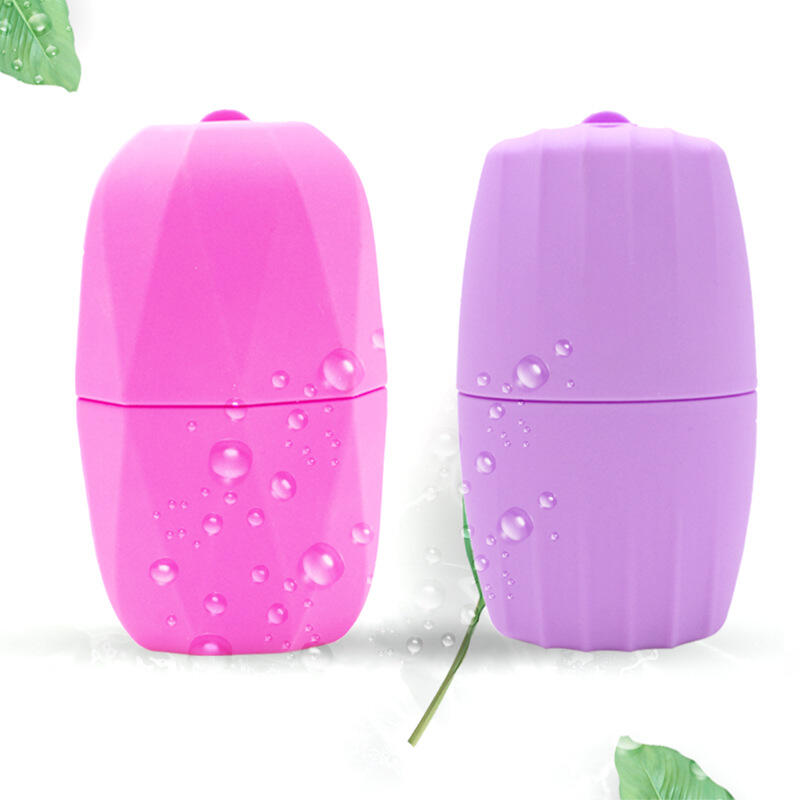
Popular Products

Medical accessories offer numerous practical benefits that directly impact healthcare quality and operational efficiency. These devices significantly reduce the time required for patient assessments, enabling healthcare professionals to examine more patients while maintaining thorough care standards. The automation features built into modern medical accessories minimize human error and ensure consistent, reliable results across different users and clinical environments. Healthcare facilities experience improved workflow efficiency when utilizing advanced medical accessories, as these tools streamline routine procedures and reduce the administrative burden on medical staff. The cost-effectiveness of medical accessories becomes evident through reduced need for repeat testing, fewer diagnostic errors, and optimized resource utilization throughout healthcare facilities. Patient safety receives substantial enhancement through the use of sophisticated monitoring capabilities that provide early warning systems for potential complications or deteriorating conditions. Medical accessories improve patient comfort by offering non-invasive monitoring options and reducing the need for frequent manual checks that can disrupt rest and recovery. The data accuracy provided by precision-engineered medical accessories supports evidence-based decision making, leading to better treatment outcomes and improved patient satisfaction rates. Healthcare providers benefit from the portability and versatility of modern medical accessories, which allow for flexible deployment across different departments and clinical scenarios. The integration capabilities of contemporary medical accessories facilitate seamless data sharing between departments, reducing communication gaps and ensuring comprehensive patient care coordination. Training requirements for medical accessories are typically minimal due to intuitive design and user-friendly interfaces, allowing healthcare staff to quickly adapt to new technologies. Maintenance costs remain low for quality medical accessories due to robust construction and reliable performance over extended periods. The scalability of medical accessory systems allows healthcare facilities to expand their capabilities gradually without major infrastructure changes. Remote monitoring capabilities enable healthcare providers to extend care beyond traditional facility boundaries, supporting telemedicine initiatives and home-based patient management programs. Quality assurance improves significantly with medical accessories that provide consistent performance standards and traceable measurement results for regulatory compliance and accreditation requirements.

Latest News

Why is silicone material so popular?

16

Dec

Why is silicone material so popular?

View More
Regarding the cost of custom silicone mold production

16

Dec

Regarding the cost of custom silicone mold production

View More
Silicone product logo printing process

16

Dec

Silicone product logo printing process

View More

Get a Free Quote

Our representative will contact you soon.
Email
Name
Company Name
Message
0/1000

medical accessories

Advanced Monitoring and Real-Time Data Analytics

Advanced Monitoring and Real-Time Data Analytics

The sophisticated monitoring capabilities of modern medical accessories represent a revolutionary advancement in patient care delivery and clinical decision-making processes. These devices incorporate state-of-the-art sensors and analytical algorithms that continuously collect, process, and interpret vital patient information in real-time. The monitoring systems built into medical accessories provide healthcare professionals with comprehensive insights into patient conditions, enabling proactive interventions before critical situations develop. Real-time data analytics capabilities allow for immediate trend analysis, pattern recognition, and predictive modeling that supports preventive care strategies. The continuous monitoring features eliminate gaps in patient surveillance that traditionally occurred between scheduled assessments, providing a complete picture of patient health status throughout treatment periods. Healthcare providers can establish customized alert systems that notify them immediately when patient parameters exceed predetermined thresholds, ensuring rapid response to emergencies or concerning changes. The data visualization components of these medical accessories present complex information in easily interpretable formats, reducing the time required for data analysis and improving clinical decision accuracy. Integration with electronic health records ensures that all monitoring data becomes part of the permanent patient record, supporting longitudinal care planning and outcome tracking. The wireless connectivity features enable remote monitoring capabilities that extend healthcare reach beyond traditional facility boundaries, supporting telemedicine initiatives and home-based care programs. Quality control mechanisms built into monitoring systems ensure data reliability and accuracy, providing healthcare professionals with confidence in the information they receive. The scalable nature of monitoring systems allows healthcare facilities to customize their approach based on patient acuity levels and resource availability. Advanced medical accessories also provide predictive analytics that help identify patients at risk for complications, enabling preventive interventions that improve outcomes while reducing costs. The user-friendly interfaces of monitoring systems require minimal training while providing comprehensive functionality that supports both routine care and emergency situations.
Seamless Integration and Workflow Optimization

Seamless Integration and Workflow Optimization

The integration capabilities of contemporary medical accessories transform healthcare delivery by creating seamless connections between different systems, departments, and care providers throughout medical facilities. These sophisticated devices are designed to work harmoniously with existing hospital information systems, electronic health records, and clinical management platforms without requiring extensive infrastructure modifications. The interoperability features ensure that data flows efficiently between medical accessories and other healthcare technologies, eliminating information silos that can compromise patient care quality. Workflow optimization becomes achievable through automated data collection, processing, and reporting functions that reduce manual tasks and administrative burdens on healthcare staff. The standardized communication protocols used by medical accessories enable consistent data exchange regardless of manufacturer or system specifications, supporting multi-vendor environments common in healthcare settings. Healthcare professionals benefit from unified dashboards that aggregate information from multiple medical accessories, providing comprehensive patient overviews without requiring navigation between different systems or applications. The plug-and-play functionality of modern medical accessories minimizes installation time and reduces the technical expertise required for system deployment, allowing healthcare facilities to implement new technologies quickly and efficiently. Cloud-based integration options provide scalable storage solutions and enable data access from multiple locations, supporting coordinated care across different facilities and departments. The automated documentation capabilities of integrated medical accessories reduce the time healthcare professionals spend on record-keeping while ensuring accurate and complete patient information capture. Quality improvement initiatives benefit from the comprehensive data collection and analysis capabilities that integrated medical accessories provide, supporting evidence-based practice improvements and outcome optimization. The flexibility of integration options allows healthcare facilities to customize their technology ecosystem based on specific needs, patient populations, and operational requirements. Maintenance and updates become simplified through centralized management systems that monitor multiple medical accessories simultaneously, reducing downtime and ensuring optimal performance across all connected devices. The security features built into integrated medical accessories protect patient information while enabling authorized access and data sharing that supports collaborative care approaches.
Enhanced Patient Comfort and Non-Invasive Care Solutions

Enhanced Patient Comfort and Non-Invasive Care Solutions

Medical accessories designed with patient comfort as a primary consideration represent a significant advancement in healthcare delivery, focusing on minimizing patient stress and discomfort while maintaining high-quality care standards. These innovative devices utilize non-invasive monitoring technologies that gather essential patient information without causing pain, anxiety, or disruption to the healing process. The ergonomic design principles incorporated into modern medical accessories ensure patient comfort during extended monitoring periods, reducing the psychological stress often associated with medical procedures and hospital stays. Wireless and portable medical accessories allow patients greater mobility and freedom of movement, preventing the complications associated with prolonged bed rest while enabling continuous monitoring and care. The quiet operation of advanced medical accessories creates a more peaceful healthcare environment that supports patient rest and recovery, particularly important in intensive care settings where noise reduction can significantly impact healing outcomes. Patient-friendly interfaces and displays provide individuals with access to their own health information in understandable formats, promoting engagement in their care process and reducing anxiety through increased awareness and control. The reduced need for frequent manual assessments through automated monitoring capabilities minimizes sleep disruption and allows for more natural recovery patterns that support healing and well-being. Customizable comfort settings enable healthcare providers to adjust medical accessories based on individual patient needs, preferences, and medical conditions, ensuring optimal comfort while maintaining clinical effectiveness. The non-restrictive nature of modern medical accessories allows patients to maintain normal activities and social interactions during treatment, supporting psychological well-being and overall quality of life. Skin-friendly materials and hypoallergenic components used in medical accessories reduce the risk of irritation or allergic reactions, particularly important for patients with sensitive skin or extended monitoring requirements. The simplified operation of patient-facing medical accessories empowers individuals to participate more actively in their care, fostering a sense of control and cooperation that can improve treatment outcomes. Family members and caregivers can easily understand and interact with user-friendly medical accessories, enabling them to provide better support and assistance during the care process. The aesthetic design considerations of modern medical accessories create a less clinical and more welcoming healthcare environment that reduces patient anxiety and promotes a positive care experience.
Essential Medical Accessories: Advanced Healthcare Solutions for Enhanced Patient Care and Clinical Excellence

Get a Free Quote

Our representative will contact you soon.
Email
Name
Company Name
Message
0/1000