Non-Stick Surface Technology and Chemical Compatibility
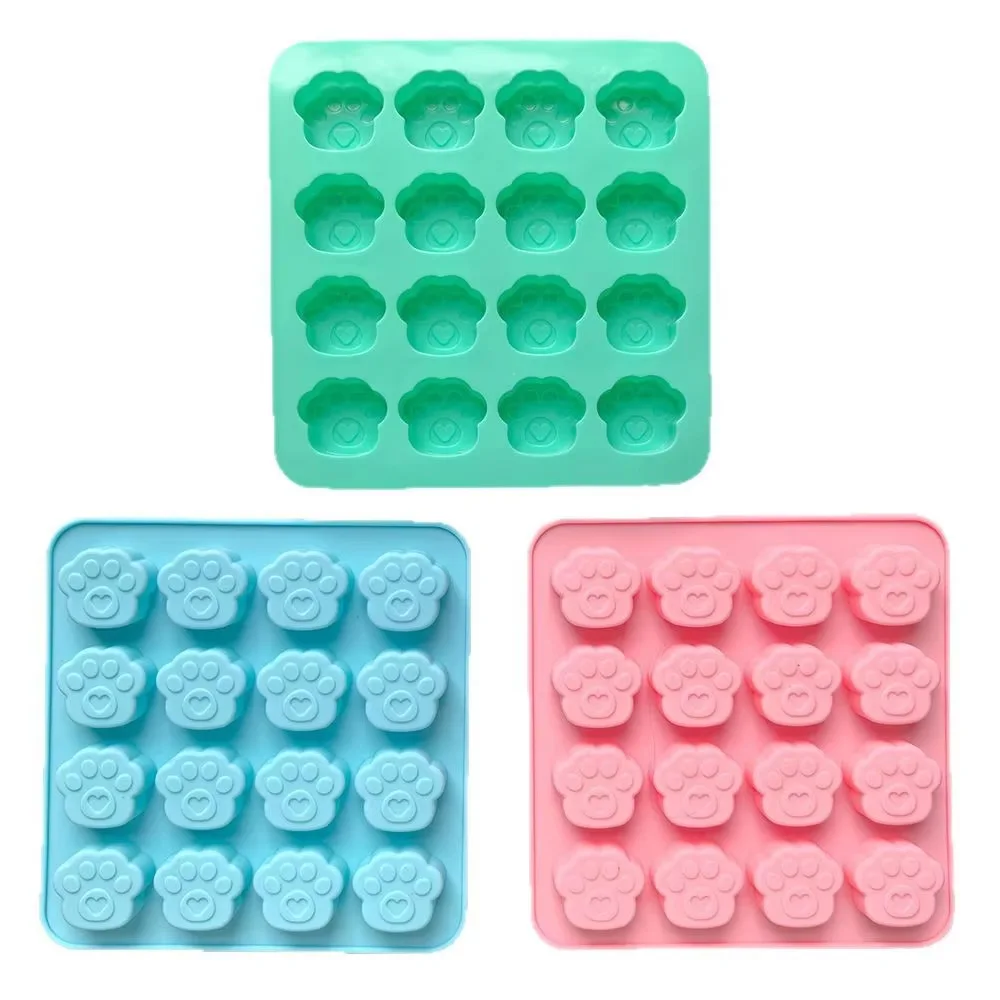
The advanced non-stick surface technology integrated into round silicone soap molds eliminates the need for release agents while ensuring flawless soap extraction every time, representing a significant advancement over traditional mold materials that often require oils, sprays, or powders to prevent sticking. This inherent release property stems from the low surface energy characteristics of premium silicone, which naturally repels most substances and prevents molecular bonding between the soap and mold surface. The smooth, non-porous exterior resists the accumulation of soap residue, oils, and colorants that typically build up on other materials and compromise future batches. This self-releasing capability maintains its effectiveness throughout the mold's operational lifetime, ensuring consistent performance without degradation or the development of sticky areas that plague inferior materials. The chemical compatibility extends to a comprehensive range of soap-making ingredients, including essential oils, fragrances, natural additives, acids, bases, and various colorants, without experiencing staining, corrosion, or structural damage. Unlike metal molds that can react with certain ingredients or plastic alternatives that may absorb odors and colors, round silicone soap molds remain chemically inert and maintain their original appearance and performance characteristics. This compatibility enables soap makers to experiment freely with innovative formulations without concern for damaging their equipment or affecting subsequent batches through cross-contamination. The non-reactive surface prevents the leaching of unwanted substances into soap formulations, ensuring the purity and quality of the final product remains uncompromised. The easy-clean properties resulting from the non-stick surface reduce maintenance time and effort, as most residues rinse away with simple water washing, while stubborn deposits respond quickly to mild detergent solutions. This efficiency translates to reduced downtime between batches and lower operating costs for commercial operations. The chemical resistance also extends to sanitizing agents, allowing thorough disinfection using alcohol-based solutions or commercial sanitizers without degrading the mold material or compromising its non-stick properties.