silicone mold for epoxy resin
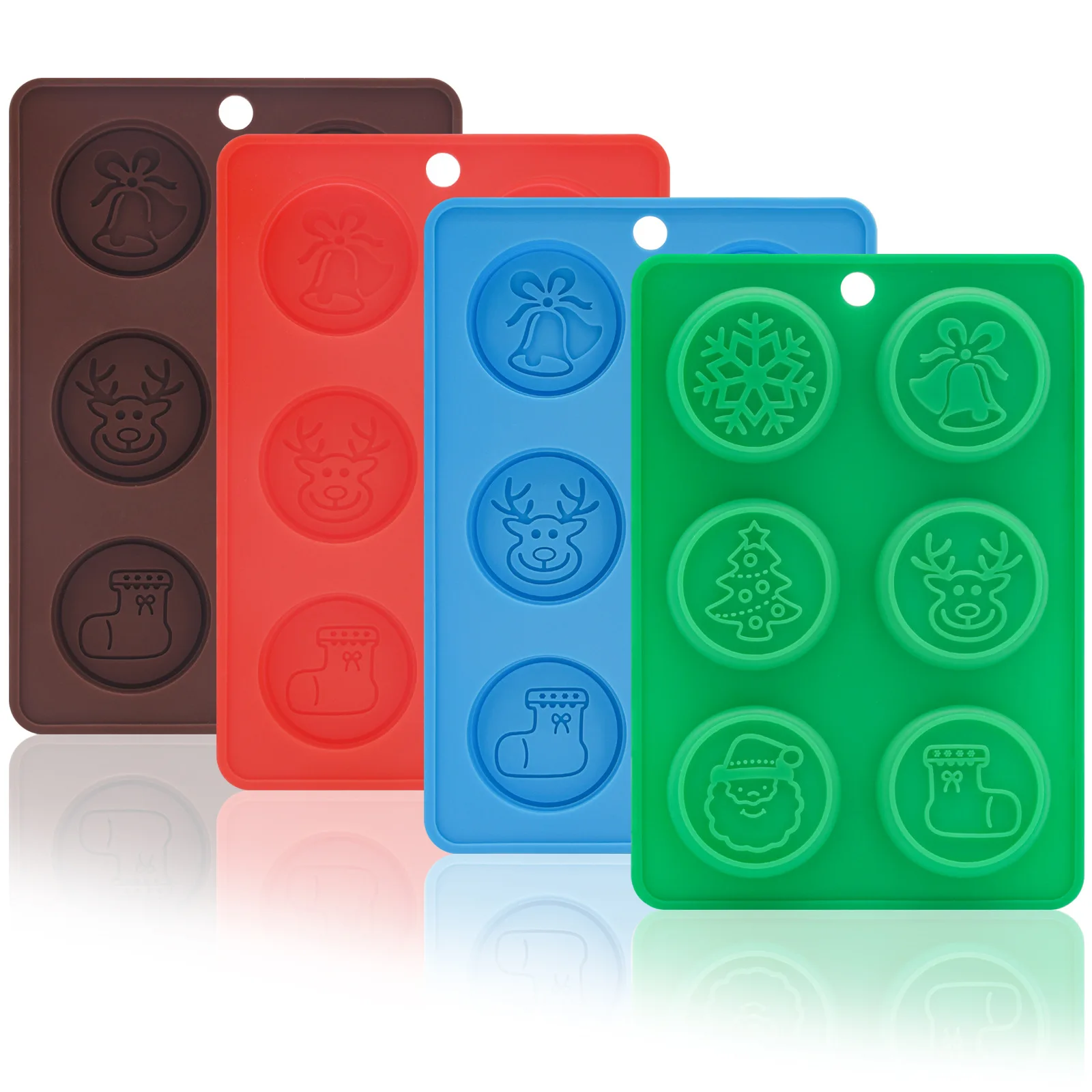
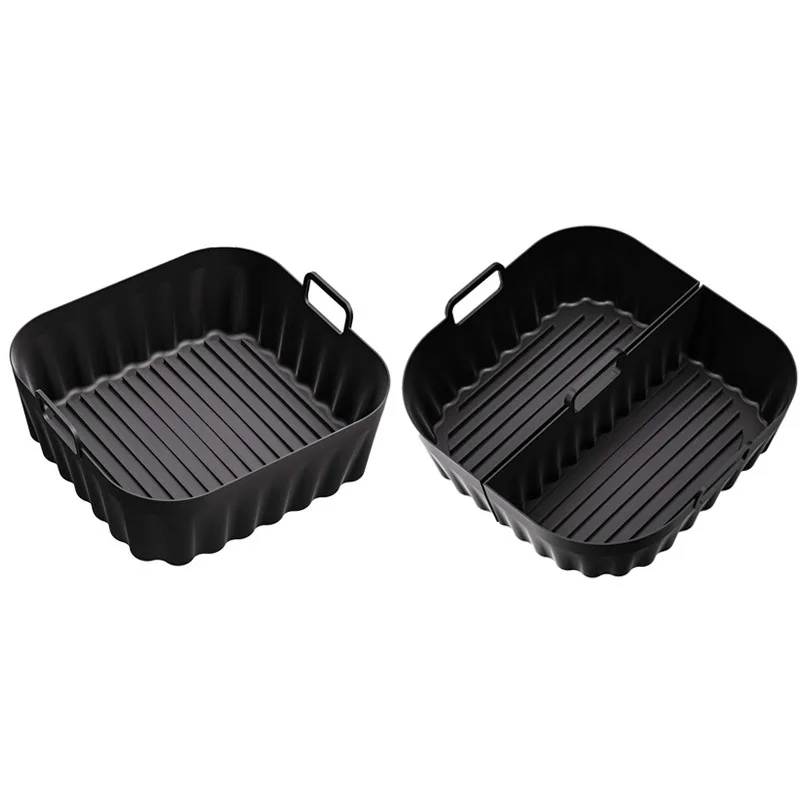
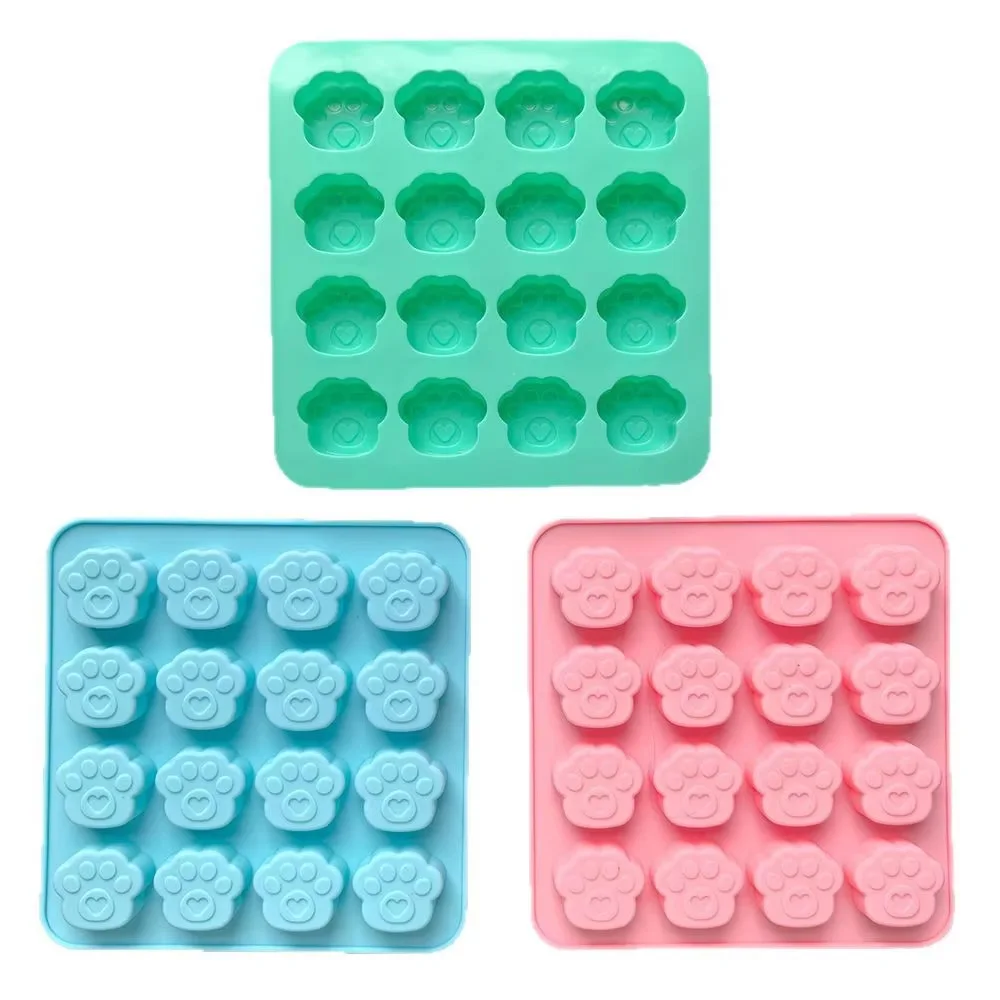
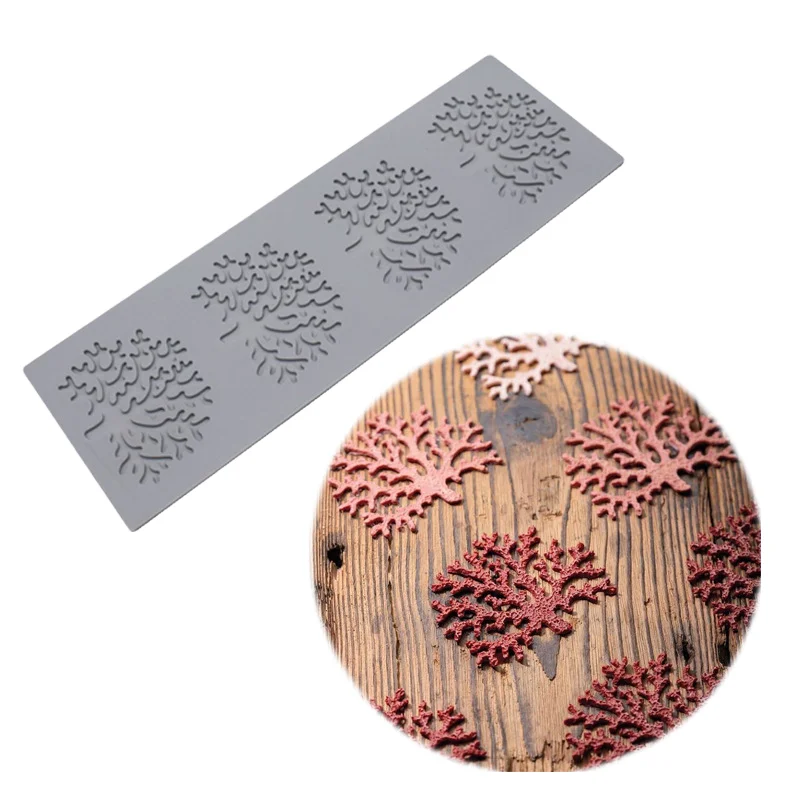
The silicone mold for epoxy resin represents a revolutionary tool that has transformed the crafting and manufacturing landscape for artists, hobbyists, and professionals alike. These specialized molds serve as precision vessels designed to shape liquid epoxy resin into desired forms, creating everything from decorative items to functional components. The silicone mold for epoxy resin functions as a flexible container that maintains its shape while allowing easy release of cured resin products. The primary function of these molds centers on providing accurate dimensional control during the resin curing process. When liquid epoxy resin gets poured into a silicone mold for epoxy resin, the material flows into every detail and contour, capturing intricate designs with remarkable precision. The technological features of modern silicone molds include advanced platinum-cure silicone construction that ensures chemical compatibility with various epoxy formulations. These molds exhibit exceptional temperature resistance, typically withstanding ranges from -65°F to 450°F, making them suitable for different curing conditions. The non-stick surface properties eliminate the need for release agents in most applications, while the translucent material allows visual monitoring of the casting process. Applications for silicone mold for epoxy resin span numerous industries and creative pursuits. Jewelry makers utilize these molds to create pendants, earrings, and decorative elements with consistent quality. Automotive enthusiasts employ them for custom part reproduction and restoration projects. The construction industry benefits from their use in creating architectural elements, while artists explore endless possibilities in sculptural works and functional art pieces. Home improvement projects frequently incorporate silicone mold for epoxy resin applications, including custom drawer pulls, decorative panels, and unique lighting fixtures. The food-safe variants enable creation of serving accessories and kitchen implements. Educational institutions use these tools for teaching material science concepts and fostering creativity in design programs.