
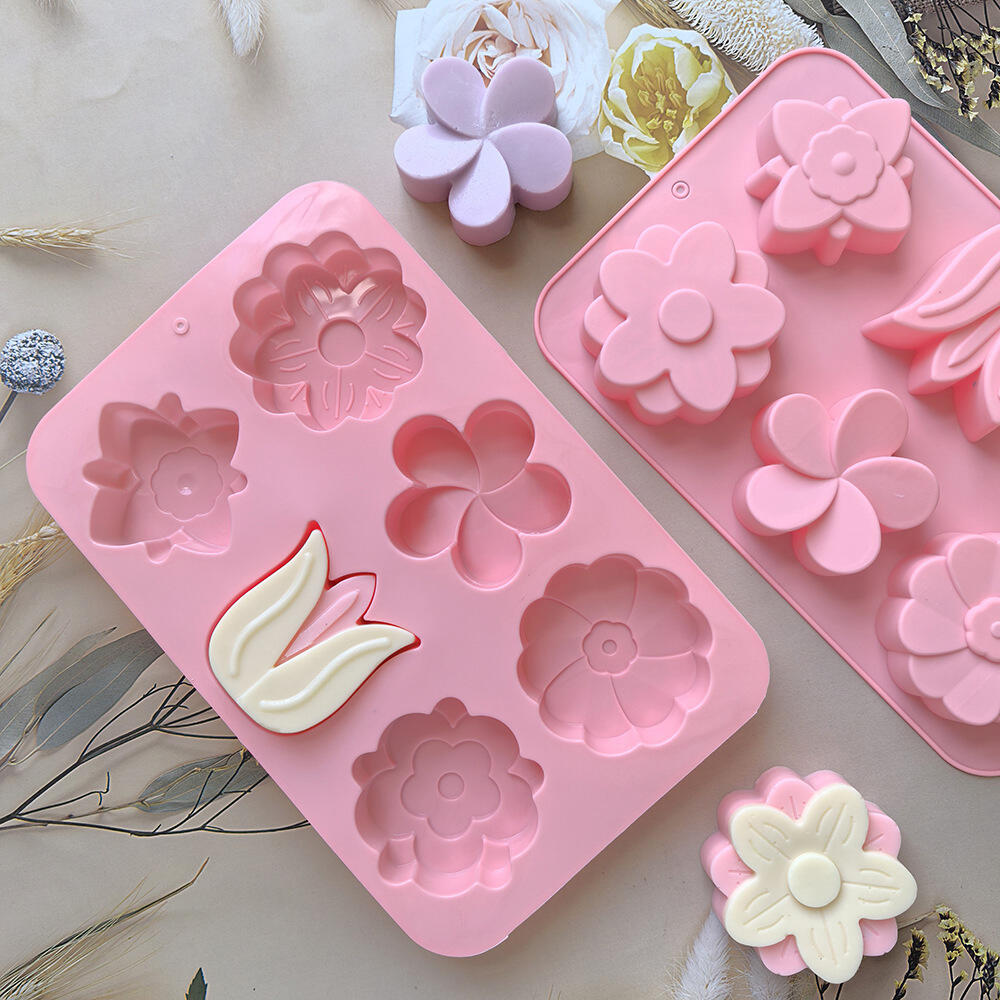
Understanding the design factors that influence release performance in silicone baking applications represents a critical aspect of modern baking technology. Professional bakers and home enthusiasts alike recognize that the effectiveness of a cake mold depends heavily on specific design characteristics that facilitate smooth product removal while maintaining structural integrity. These design considerations encompass material composition, surface textures, geometric configurations, and manufacturing precision that collectively determine the overall performance of silicone baking tools. The science behind optimal release performance involves complex interactions between silicone properties, thermal dynamics, and mechanical design elements that must work harmoniously to achieve consistent results.
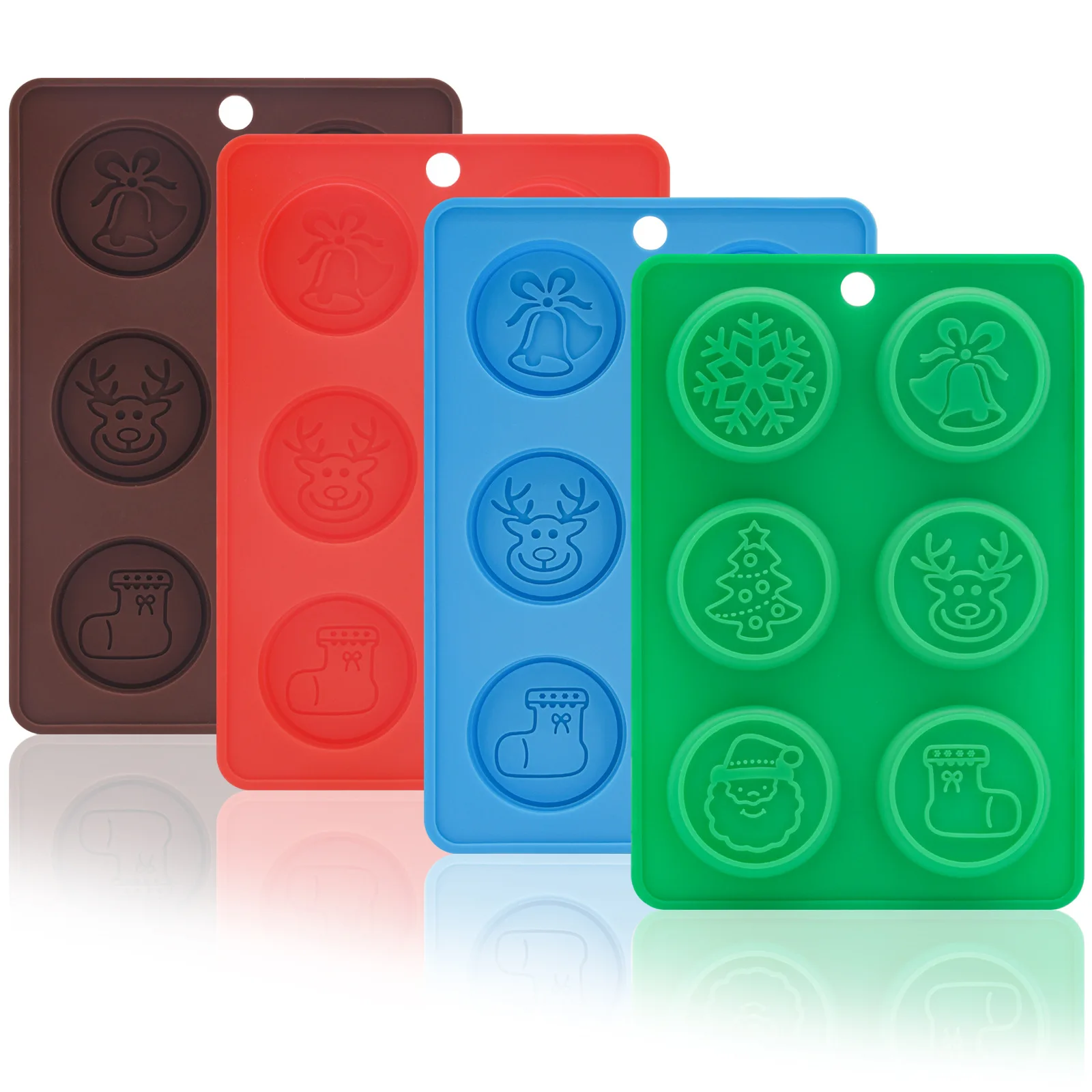
Material Composition and Silicone Grade Selection
Food-Grade Silicone Properties
The foundation of superior release performance begins with selecting appropriate food-grade silicone compounds that exhibit optimal non-stick characteristics. High-quality silicone materials contain specific platinum-based catalysts that create a molecular structure resistant to adhesion while maintaining flexibility across temperature ranges. These advanced silicone formulations demonstrate exceptional thermal stability, allowing the cake mold to perform consistently whether exposed to freezing temperatures or high-heat oven environments. The molecular density of premium silicone materials directly influences the smoothness of the molding surface, which subsequently affects how easily baked goods separate from the mold walls.
Professional-grade silicone compounds undergo rigorous testing to ensure they meet FDA standards while providing enhanced release properties that surpass conventional materials. The cross-linking density within the silicone matrix determines both the durability and non-stick performance of the final product. Manufacturers who prioritize release performance typically utilize silicone grades with specific shore hardness ratings that balance flexibility with structural integrity. This careful material selection process ensures that each cake mold maintains its release capabilities throughout extended use cycles while resisting degradation from repeated thermal cycling.
Additive Technologies for Enhanced Performance
Modern silicone formulations incorporate specialized additives that significantly improve release performance without compromising food safety standards. These advanced additives create microscopic surface modifications that reduce surface energy, making it more difficult for baked goods to adhere during the cooking process. Anti-adhesion compounds integrated into the silicone matrix provide long-lasting release properties that do not diminish with repeated washing or extended use. The concentration and distribution of these additives must be precisely controlled to achieve optimal performance without affecting the structural properties of the cake mold.
Nanotechnology applications in silicone formulations have revolutionized release performance by creating ultra-smooth surfaces at the molecular level. These innovative approaches result in cake mold surfaces that exhibit superior non-stick properties while maintaining complete food safety compliance. The integration of ceramic nano-particles or specialized polymer chains enhances the natural release characteristics of silicone materials. Advanced manufacturing processes ensure these additives are uniformly distributed throughout the silicone matrix, providing consistent release performance across the entire molding surface.
Surface Texture Design and Manufacturing Precision
Micro-Surface Engineering Principles
The microscopic surface texture of a cake mold plays a crucial role in determining release performance, with optimal textures requiring precise engineering to balance non-stick properties with structural detail reproduction. Surface roughness parameters must be carefully controlled to minimize adhesion points while ensuring adequate surface area for proper heat transfer during baking. Advanced manufacturing techniques create controlled micro-textures that promote easy release while maintaining the ability to capture fine decorative details in baked products. The relationship between surface energy and texture density directly influences how effectively the cake mold releases finished products without damage or distortion.
Specialized polishing processes and surface treatments further enhance the natural release properties of silicone materials by creating ultra-smooth surfaces that minimize friction during demolding. These manufacturing techniques remove microscopic imperfections that could otherwise serve as adhesion points, resulting in consistently superior release performance. The precision required in surface finishing processes demands advanced quality control measures to ensure each cake mold meets exacting standards for release performance. Professional-grade manufacturing facilities employ specialized equipment capable of achieving surface finishes measured in nanometer tolerances.
Geometric Configuration Optimization
The geometric design of a cake mold significantly impacts release performance, with optimal configurations incorporating specific angles, radii, and taper angles that facilitate smooth product removal. Draft angles integrated into vertical surfaces create natural separation points that reduce adhesion forces during the cooling and demolding process. Strategic placement of relief features and gentle transitions between different geometric sections minimize stress concentration points that could lead to product damage during removal. The mathematical precision required in geometric optimization ensures that release forces are distributed evenly across the entire molding surface.
Advanced computer modeling techniques enable designers to simulate release performance characteristics before physical production, allowing for optimization of geometric parameters that maximize ease of removal. These sophisticated design tools analyze stress distribution patterns and predict potential failure points where baked products might stick or break during demolding. The integration of fluid dynamics principles helps optimize internal geometries that promote even heat distribution while maintaining optimal release characteristics. Modern cake mold designs incorporate these advanced geometric principles to achieve superior performance across diverse baking applications.
Thermal Management and Heat Distribution Systems
Thermal Conductivity Engineering
Effective thermal management within a cake mold directly influences release performance by ensuring uniform heating that prevents localized adhesion points from developing during the baking process. The thermal conductivity properties of silicone materials must be carefully balanced to provide adequate heat transfer while preventing hot spots that could cause uneven cooking or increased adhesion. Advanced thermal engineering techniques incorporate heat distribution channels and thermal mass optimization to create consistent temperature profiles throughout the molding cavity. These sophisticated thermal management systems ensure that the cake mold performs reliably across various oven types and baking conditions.
Specialized thermal modeling software enables engineers to optimize heat flow patterns within cake mold designs, identifying potential areas where temperature variations might compromise release performance. The integration of thermal simulation data with mechanical design parameters allows for comprehensive optimization of both heating characteristics and release properties. Advanced manufacturing processes can incorporate thermal enhancement features such as embedded heat distribution elements or specialized thermal interface materials. These innovations result in cake mold designs that provide superior release performance while maintaining excellent baking consistency.
Cooling Cycle Management
The cooling phase of the baking process represents a critical period where proper thermal management can significantly impact release performance, as temperature gradients and thermal contraction rates affect adhesion forces. Optimal cake mold designs incorporate features that promote controlled cooling patterns, preventing sudden temperature changes that could increase adhesion between the baked product and mold surfaces. Strategic thickness variations and thermal mass distribution help manage cooling rates to minimize differential thermal stresses that might compromise release performance. Understanding the relationship between cooling patterns and adhesion forces enables designers to create mold configurations that naturally facilitate easy product removal.
Advanced thermal cycling tests evaluate how cake mold designs perform under various cooling conditions, ensuring consistent release performance regardless of environmental factors. The thermal expansion coefficients of different silicone formulations must be matched to expected use conditions to prevent dimensional changes that might affect release characteristics. Professional-grade cake mold designs undergo extensive thermal analysis to optimize cooling performance while maintaining structural integrity. These comprehensive thermal management approaches result in cake mold systems that deliver reliable release performance across extended service lives.
Mechanical Design Features for Optimal Release
Flexibility and Deformation Characteristics
The mechanical flexibility of silicone cake mold materials enables controlled deformation during the demolding process, allowing users to apply gentle pressure that facilitates product release without damage. Optimal flexibility characteristics must balance sufficient elasticity for effective demolding with adequate structural stability to maintain shape accuracy during baking. Advanced material engineering creates silicone formulations with specific modulus values that provide the ideal combination of flexibility and strength for superior release performance. The ability to undergo controlled deformation without permanent set ensures that cake mold designs maintain their effectiveness throughout extended use cycles.
Strategic placement of flexible zones and reinforcement areas within cake mold designs optimizes mechanical performance while preserving release capabilities. These engineered flexibility patterns allow for systematic deformation sequences that progressively separate baked products from mold surfaces without causing damage. Advanced finite element analysis techniques enable designers to predict and optimize deformation patterns that maximize release effectiveness. The integration of mechanical design principles with material science creates cake mold solutions that consistently deliver superior performance across diverse baking applications.
Structural Reinforcement Systems
While flexibility remains essential for release performance, strategic structural reinforcement ensures that cake mold designs maintain dimensional accuracy and prevent excessive deformation during use. Advanced reinforcement techniques incorporate variable thickness profiles and integrated support structures that provide stability where needed while preserving flexibility in critical release zones. The engineering of reinforcement systems requires careful analysis of stress distribution patterns during both baking and demolding operations. These sophisticated structural approaches result in cake mold designs that offer optimal release performance without compromising durability or dimensional precision.
Innovative reinforcement technologies utilize advanced materials and geometric configurations to create support systems that enhance both structural integrity and release performance. The integration of rigid and flexible zones within a single cake mold design allows for optimized performance characteristics that address specific functional requirements. Advanced manufacturing techniques enable the production of complex reinforcement patterns that would be impossible with traditional molding methods. These technological advances in structural design contribute significantly to the overall effectiveness of modern cake mold systems.
Manufacturing Quality Control and Precision Standards
Production Process Optimization
Achieving consistent release performance across production volumes requires sophisticated manufacturing processes that maintain strict quality control standards throughout all production phases. Advanced molding techniques ensure uniform material distribution and eliminate defects that could compromise release characteristics, with precision injection systems controlling material flow patterns to achieve optimal surface quality. The implementation of automated quality monitoring systems enables real-time detection of variations that might affect release performance, allowing for immediate process adjustments to maintain consistent product quality. These comprehensive manufacturing approaches ensure that each cake mold meets exacting performance standards regardless of production volume or batch variations.
Statistical process control methodologies applied to cake mold manufacturing provide quantitative measures of release performance consistency across production runs. Advanced measurement systems evaluate critical dimensional parameters and surface quality characteristics that directly impact release effectiveness. The integration of automated inspection systems with production processes ensures that quality standards are maintained without compromising manufacturing efficiency. These sophisticated quality control approaches result in cake mold products that deliver predictable release performance throughout their service lives.
Testing and Validation Protocols
Comprehensive testing protocols evaluate cake mold release performance under various conditions that simulate real-world baking applications, ensuring that products meet performance specifications before reaching consumers. Standardized test procedures measure adhesion forces, demolding characteristics, and durability parameters that quantify release effectiveness across different baking scenarios. Advanced testing equipment provides precise measurements of release forces and identifies potential failure modes that might compromise performance. These rigorous validation processes ensure that cake mold designs consistently deliver the release performance characteristics promised to users.
Accelerated aging tests evaluate how release performance characteristics change over extended use cycles, providing valuable data for predicting long-term effectiveness. Environmental testing protocols assess performance under various temperature and humidity conditions that might be encountered in different baking environments. The development of specialized test fixtures and measurement systems enables quantitative evaluation of release performance parameters that would be difficult to assess through subjective methods. These comprehensive testing approaches provide the technical foundation for continuous improvement in cake mold design and manufacturing processes.
Advanced Technologies and Future Developments
Smart Material Integration
Emerging smart material technologies offer exciting possibilities for next-generation cake mold designs that could automatically adjust release characteristics based on baking conditions or product types. Shape-memory polymers and thermally responsive materials could create adaptive surfaces that optimize release performance for specific applications. Advanced material research focuses on developing silicone compounds with programmable surface properties that respond to temperature changes during baking and cooling cycles. These innovative approaches could revolutionize cake mold functionality by providing automatic optimization of release characteristics without user intervention.
The integration of sensors and monitoring systems within cake mold designs could provide real-time feedback about thermal conditions and release readiness, enabling users to optimize demolding timing for maximum effectiveness. Advanced material formulations incorporating phase-change materials could provide enhanced thermal management while maintaining superior release properties. Research into bio-inspired surface modifications draws from natural non-stick mechanisms to develop revolutionary approaches to release performance enhancement. These cutting-edge technologies represent the future direction of cake mold development, promising even more effective solutions for baking applications.
Sustainability and Environmental Considerations
Environmental sustainability considerations increasingly influence cake mold design and manufacturing processes, with emphasis on developing materials and production methods that minimize environmental impact while maintaining superior release performance. Advanced recycling technologies enable the recovery and reuse of silicone materials from end-of-life products, creating circular economy opportunities within the baking industry. The development of bio-based silicone alternatives explores renewable feedstock options that could provide equivalent release performance with reduced environmental footprint. These sustainability initiatives demonstrate the industry's commitment to responsible manufacturing while continuing to advance performance capabilities.
Life-cycle assessment methodologies evaluate the complete environmental impact of cake mold products from raw material extraction through disposal, identifying opportunities for improvement throughout the product lifecycle. Advanced manufacturing processes incorporate energy-efficient production techniques and waste reduction strategies that minimize environmental impact without compromising quality. The integration of sustainability principles with performance optimization creates cake mold solutions that meet both functional requirements and environmental responsibility standards. These comprehensive approaches to sustainable development ensure that future cake mold technologies will continue to advance performance while supporting environmental stewardship goals.
FAQ
What silicone grade provides the best release performance for cake molds
Platinum-cured food-grade silicone with shore hardness ratings between 35-45 Shore A typically provides optimal release performance for cake mold applications. This hardness range offers the ideal balance of flexibility for easy demolding while maintaining sufficient structural integrity to preserve detailed surface features. Higher-grade silicones with specialized anti-adhesion additives further enhance release characteristics, ensuring consistent performance across multiple baking cycles without degradation of non-stick properties.
How does surface texture affect cake mold release performance
Surface texture significantly impacts release performance, with ultra-smooth surfaces generally providing superior non-stick characteristics compared to rough or textured surfaces. However, completely smooth surfaces must be balanced with adequate surface area for proper heat transfer during baking. Optimal surface textures incorporate controlled micro-patterns that minimize adhesion points while maintaining thermal efficiency, typically achieved through precision manufacturing processes that create surface finishes measured in nanometer tolerances.
What geometric features improve demolding ease in cake molds
Draft angles between 1-3 degrees on vertical surfaces, generous radii at corners and transitions, and strategic placement of relief features significantly improve demolding ease. These geometric optimizations reduce stress concentration points and provide natural separation paths during product removal. Advanced designs incorporate variable thickness profiles that enhance flexibility in critical release zones while maintaining structural stability in support areas, resulting in consistently effective demolding performance.
How do thermal management features affect release performance
Effective thermal management ensures uniform heating patterns that prevent localized hot spots where increased adhesion might occur, directly improving overall release performance. Strategic thickness variations and heat distribution channels create consistent temperature profiles throughout the molding cavity, reducing thermal gradients that could compromise release effectiveness. Proper thermal management also facilitates controlled cooling patterns that minimize differential thermal stresses between the baked product and cake mold surfaces during the critical demolding phase.
Table of Contents
- Material Composition and Silicone Grade Selection
- Surface Texture Design and Manufacturing Precision
- Thermal Management and Heat Distribution Systems
- Mechanical Design Features for Optimal Release
- Manufacturing Quality Control and Precision Standards
- Advanced Technologies and Future Developments
- FAQ