baby bottle
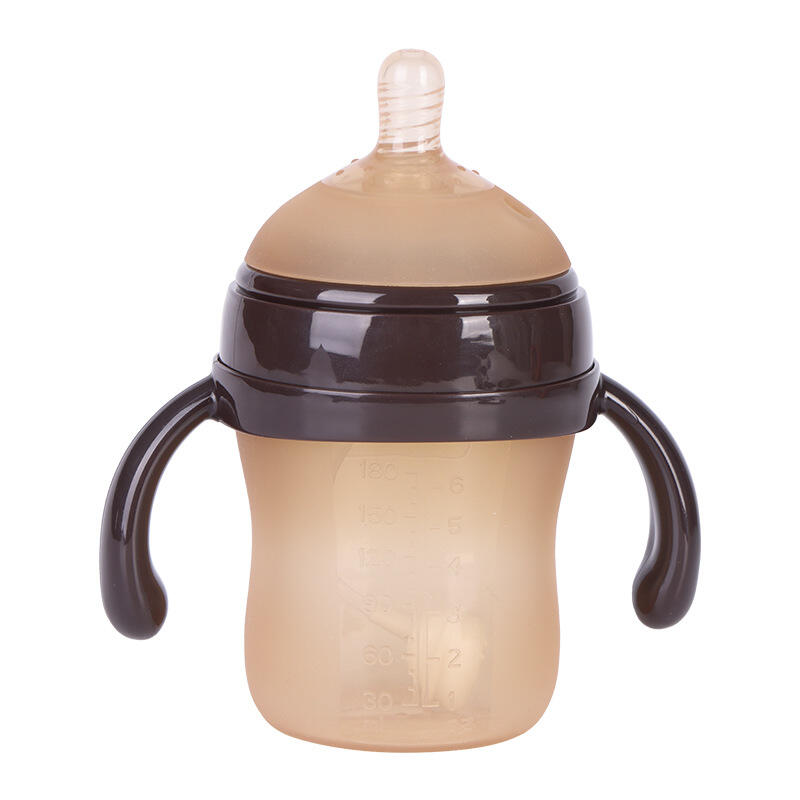
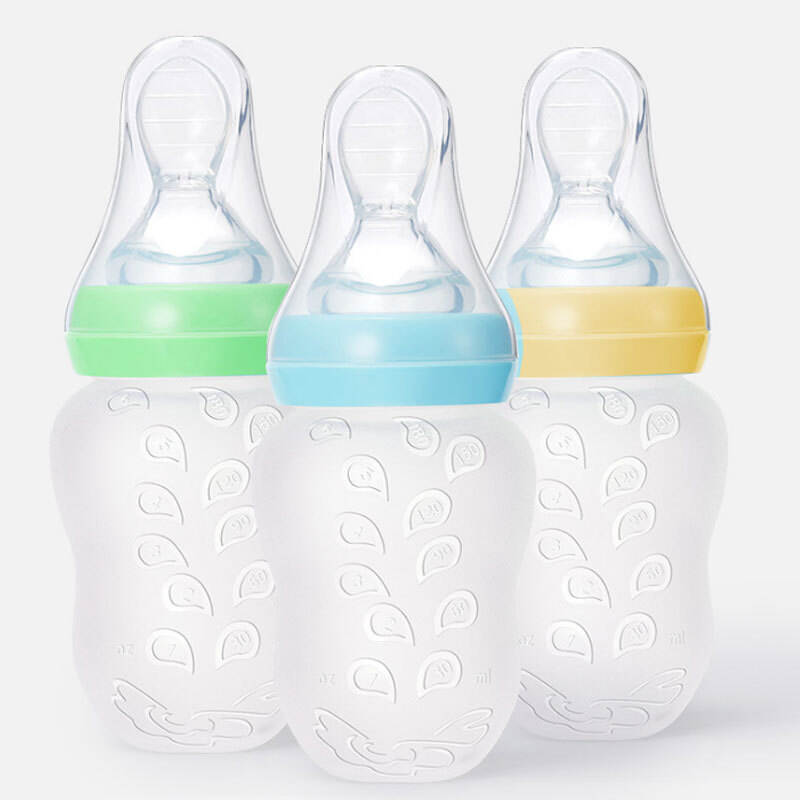
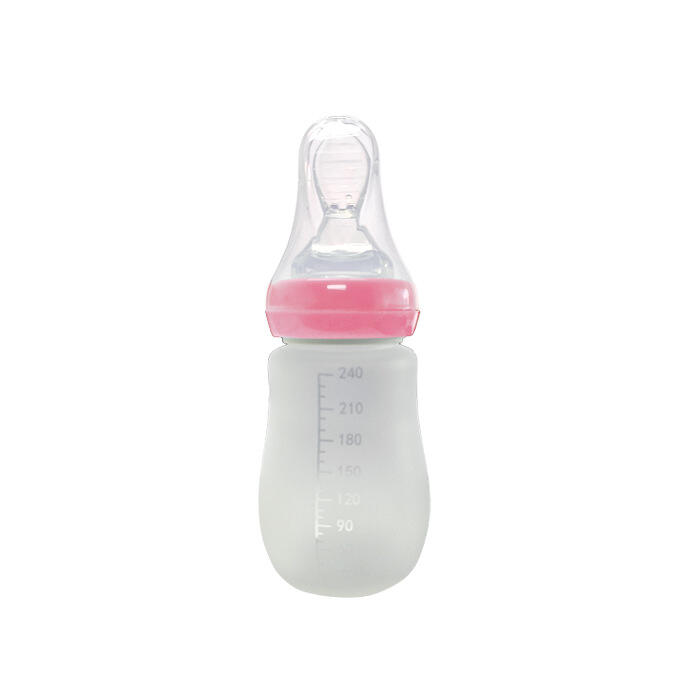
A baby bottle represents one of the most essential feeding tools for infants and young children, designed specifically to facilitate safe and comfortable feeding when breastfeeding is not possible or as a supplement to nursing. These specially engineered containers serve as artificial feeding vessels that mimic natural breastfeeding experiences while providing parents with flexibility and convenience. The primary function of a baby bottle centers around delivering breast milk, formula, or other approved liquids to babies in a controlled, hygienic manner. Modern baby bottles incorporate sophisticated design elements that prioritize infant safety, comfort, and developmental needs. The bottle typically consists of several key components: a main container or body that holds the liquid, a specialized nipple designed to simulate natural nursing, a collar or ring that secures the nipple, and often a protective cap for hygiene and transport. Advanced baby bottles feature innovative technological enhancements such as anti-colic venting systems that reduce air intake during feeding, thereby minimizing digestive discomfort and gas formation. Temperature-sensitive materials and indicators help parents ensure optimal feeding temperatures, while ergonomic designs facilitate easy handling for both caregivers and developing infants. The applications of baby bottles extend beyond basic nutrition delivery, serving as tools for transitioning babies from exclusive breastfeeding to mixed feeding methods, supporting working mothers who need to pump and store breast milk, and accommodating various feeding schedules and situations. Medical-grade materials ensure chemical safety and durability, while different flow rates and nipple designs accommodate various developmental stages from newborn to toddler. These versatile feeding instruments play crucial roles in establishing healthy feeding routines, supporting infant growth, and providing caregiving flexibility for modern families navigating diverse lifestyle demands and feeding preferences.