
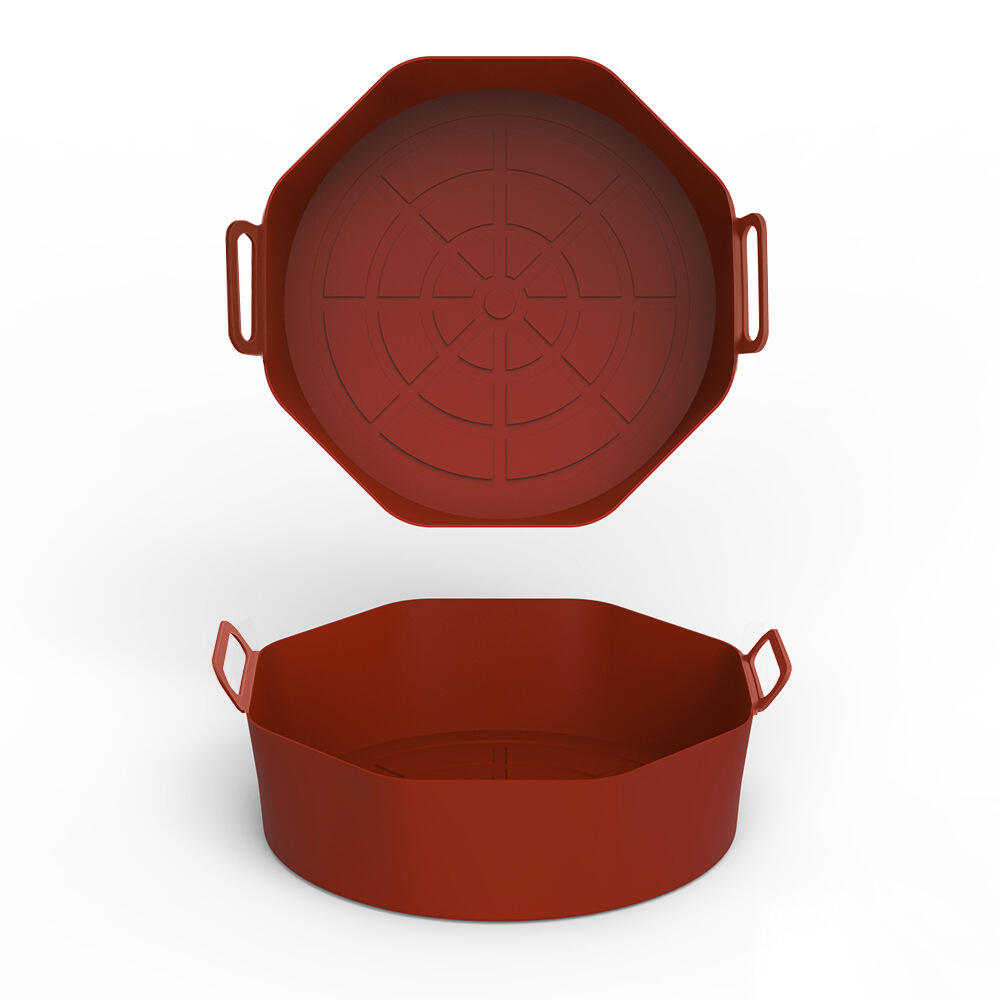
Silicone molds have revolutionized OEM and private label manufacturing across industries, offering manufacturers unprecedented flexibility in creating custom products for their clients. The unique properties of silicone material enable manufacturers to produce high-quality, detailed products while maintaining cost-effectiveness and scalability. Understanding how silicone molds support these manufacturing models is crucial for businesses seeking to expand their production capabilities and serve diverse market segments.
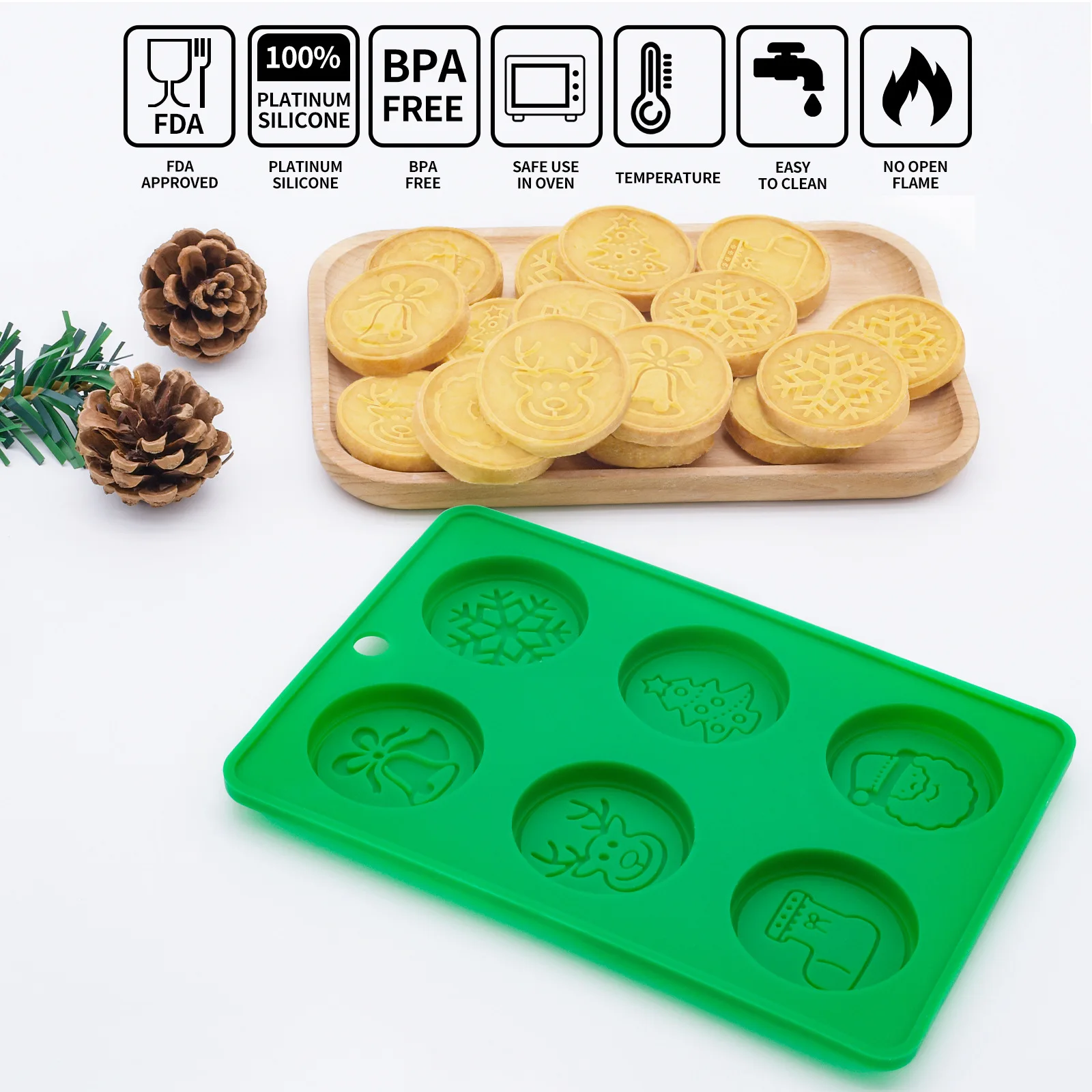
The strategic advantage of using silicone molds in OEM and private label manufacturing lies in their ability to facilitate rapid prototyping, efficient production runs, and seamless brand customization. Manufacturers can leverage silicone mold technology to meet specific client requirements while maintaining quality standards and reducing time-to-market. This manufacturing approach has become increasingly important as businesses seek to differentiate their products in competitive markets through customization and specialized features.
Design Flexibility and Customization Capabilities
Complex Geometry Production
Silicone molds excel at producing complex geometries that would be challenging or impossible with traditional manufacturing methods. The flexibility of silicone material allows for intricate undercuts, fine details, and complex internal structures that rigid molds cannot accommodate. OEM manufacturers can create products with sophisticated designs, including multi-directional parting lines, intricate surface textures, and dimensional variations that meet specific client specifications.
The material properties of silicone enable manufacturers to achieve exceptional detail reproduction, capturing fine surface features down to microscopic levels. This capability is particularly valuable in private label manufacturing where brand differentiation often depends on unique design elements. Manufacturers can incorporate logos, brand identifiers, and distinctive patterns directly into the molding process, eliminating secondary operations and reducing production costs.
Rapid Prototyping Integration
The quick turnaround time for creating silicone molds supports rapid prototyping workflows essential in OEM partnerships. Unlike metal tooling that requires weeks or months to produce, silicone mold fabrication can be completed in days, allowing manufacturers to quickly iterate designs based on client feedback. This agility enables OEM partners to test market concepts, validate designs, and make modifications without significant capital investment or extended lead times.
Private label manufacturers benefit from this rapid prototyping capability by offering clients the ability to test multiple design variations before committing to large production runs. The cost-effectiveness of silicone mold production makes it feasible to create several prototype molds for comparative testing, ensuring optimal product performance and market appeal before scaling production.
Production Scalability and Economic Benefits
Flexible Production Volume Management
Silicone molds provide manufacturers with exceptional flexibility in managing production volumes, a critical requirement for both OEM and private label operations. The durability of quality silicone molds enables thousands of production cycles while maintaining dimensional accuracy and surface quality. This longevity supports both small-batch custom orders and larger production runs without compromising product consistency or requiring frequent mold replacement.
The modular nature of silicone mold systems allows manufacturers to scale production up or down based on demand fluctuations. Multiple molds can be operated simultaneously for high-volume requirements, while single-mold operations remain economically viable for specialty or limited-edition products. This scalability is particularly valuable for private label manufacturers serving diverse market segments with varying volume requirements.
Cost-Effective Tooling Solutions
The relatively low initial investment required for silicone mold tooling makes it an attractive option for OEM manufacturers working with clients who have budget constraints or uncertain market demand. Compared to traditional metal tooling, silicone mold creation requires significantly less capital investment, reducing financial barriers for new product development and market entry.
Operational costs remain competitive throughout the production lifecycle due to the ease of silicone mold maintenance and repair. Minor damage or wear can often be addressed through simple repair procedures, extending mold life and minimizing replacement costs. This cost structure supports sustainable business models for private label manufacturers, enabling competitive pricing while maintaining healthy profit margins.
Quality Control and Brand Consistency
Dimensional Accuracy and Repeatability
Precision manufacturing requirements in OEM and private label production demand consistent dimensional accuracy across production runs. High-quality silicone molds maintain tight tolerances throughout their operational life, ensuring that products meet specified dimensions and quality standards. This consistency is essential for maintaining brand reputation and meeting regulatory requirements in industries such as food processing, medical devices, and consumer goods.
The thermal stability of silicone mold materials ensures consistent performance across varying operating conditions, maintaining dimensional accuracy even when processing temperature-sensitive materials. This stability reduces quality variations and minimizes waste, contributing to overall production efficiency and customer satisfaction in both OEM and private label applications.
Surface Finish and Aesthetic Quality
The surface quality achievable with silicone molds supports the high aesthetic standards required for private label products competing in consumer markets. Silicone mold surfaces can be engineered to produce various textures, from mirror-smooth finishes to complex patterns, enabling manufacturers to create products that match specific brand requirements and market expectations.
Consistency in surface finish across production runs ensures brand integrity and customer satisfaction. The non-stick properties of silicone mold surfaces facilitate easy part release without surface damage, maintaining consistent product appearance and reducing finishing requirements. This quality consistency is crucial for private label manufacturers who must deliver products that accurately represent their clients' brand standards.
Material Compatibility and Application Versatility
Multi-Material Processing Capabilities
The chemical resistance and temperature stability of silicone molds enable processing of diverse material types within the same manufacturing facility. OEM manufacturers can serve clients across multiple industries by utilizing silicone molds compatible with various polymers, resins, food-grade materials, and specialty compounds. This versatility reduces the need for multiple tooling systems and simplifies manufacturing operations.
Private label manufacturers benefit from this material flexibility by offering clients a broader range of product options and material choices. The ability to process different materials using the same silicone mold infrastructure enables manufacturers to respond quickly to market trends and client preferences without significant capital investment in new tooling systems.
Specialized Application Support
Silicone molds excel in specialized applications that require unique material properties or processing conditions. Food-grade silicone molds support private label food product manufacturing with complete safety compliance, while medical-grade versions enable production of healthcare-related products. This specialization capability allows OEM manufacturers to serve niche markets and high-value applications that demand specific material certifications and performance characteristics.
The biocompatibility and chemical inertness of silicone mold materials make them suitable for applications requiring strict contamination control and material purity. These properties are essential for private label manufacturers serving pharmaceutical, cosmetic, and food industries where product safety and regulatory compliance are paramount concerns.
Supply Chain Integration and Partnership Benefits
Streamlined Communication and Development
The visual nature of silicone mold prototyping facilitates clear communication between OEM manufacturers and their clients throughout the development process. Physical prototypes created using silicone molds enable stakeholders to evaluate design concepts, functional performance, and aesthetic qualities before committing to production tooling. This tangible feedback process reduces misunderstandings and ensures alignment between client expectations and manufacturing capabilities.
Private label partnerships benefit from the collaborative development process enabled by silicone mold flexibility. Clients can participate actively in design refinement and testing phases, ensuring that final products meet market requirements and brand standards. This collaborative approach strengthens partnerships and increases client satisfaction through shared involvement in product development.
Reduced Lead Times and Market Responsiveness
The quick turnaround capability of silicone mold manufacturing supports rapid response to market opportunities and client requests. OEM manufacturers can capitalize on time-sensitive opportunities by quickly developing and producing custom products using silicone mold technology. This responsiveness provides competitive advantages in markets where speed-to-market is crucial for success.
Private label manufacturers can offer clients accelerated product launch schedules by leveraging silicone mold capabilities for rapid prototyping and production setup. The ability to compress development timelines enables clients to respond quickly to market trends, seasonal demands, and competitive pressures while maintaining product quality and performance standards.
FAQ
What are the typical lead times for creating silicone molds for OEM production?
Lead times for silicone mold creation typically range from 3 to 10 business days depending on complexity and size requirements. Simple geometric shapes may be completed within 3-5 days, while complex multi-part molds with intricate details may require 7-10 days. This timeline includes design review, mold fabrication, and initial testing phases, making it significantly faster than traditional metal tooling which can require 4-12 weeks for comparable complexity.
How many production cycles can a silicone mold typically handle before replacement?
High-quality silicone molds designed for OEM and private label manufacturing typically provide 1,000 to 10,000 production cycles before requiring replacement, depending on the processed material and operating conditions. Food-grade and medical applications may achieve longer mold life due to gentler processing conditions, while abrasive or high-temperature materials may reduce cycle count. Proper maintenance and handling can extend mold life significantly beyond baseline expectations.
Can silicone molds accommodate multiple brand variations within the same production run?
Yes, silicone molds can be designed with interchangeable inserts or modular sections that enable brand-specific customization within the same base mold structure. This approach allows private label manufacturers to produce multiple brand variations efficiently by changing only specific mold components rather than creating entirely separate tooling systems. The flexibility reduces inventory requirements and setup times while maintaining brand-specific product features.
What quality certifications are available for silicone molds used in regulated industries?
Silicone molds can be manufactured using materials certified for FDA food contact, USP Class VI medical grade, and various international standards including EU food contact regulations. Documentation and certification are available for traceability requirements in pharmaceutical, medical device, and food processing applications. Quality management systems supporting ISO 9001, ISO 13485, and other industry-specific standards ensure consistent manufacturing processes and regulatory compliance for OEM and private label operations.
Table of Contents
- Design Flexibility and Customization Capabilities
- Production Scalability and Economic Benefits
- Quality Control and Brand Consistency
- Material Compatibility and Application Versatility
- Supply Chain Integration and Partnership Benefits
-
FAQ
- What are the typical lead times for creating silicone molds for OEM production?
- How many production cycles can a silicone mold typically handle before replacement?
- Can silicone molds accommodate multiple brand variations within the same production run?
- What quality certifications are available for silicone molds used in regulated industries?