

Research and development activities serve as the cornerstone for enhancing the performance characteristics of custom silicone molds across diverse manufacturing applications. Through systematic R&D initiatives, manufacturers can optimize material formulations, improve production processes, and develop innovative design features that directly impact the functionality and durability of each silicone mold. This scientific approach enables the creation of specialized molds that meet precise industry requirements while delivering superior performance metrics compared to standard off-the-shelf alternatives.
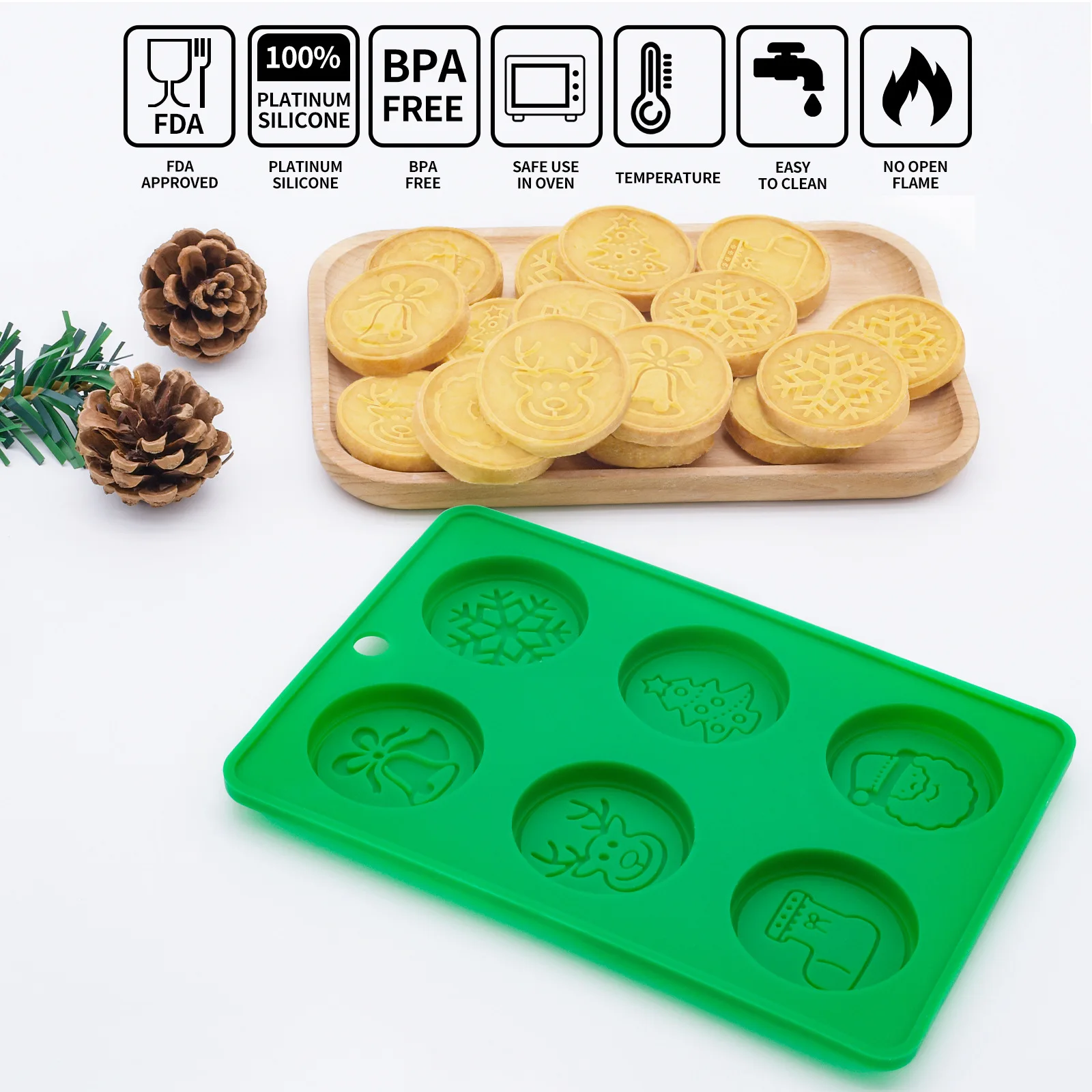
The strategic integration of R&D processes into silicone mold development creates measurable improvements in thermal stability, demolding efficiency, surface quality, and overall production reliability. Modern R&D laboratories utilize advanced testing methodologies and computational modeling to predict performance outcomes before physical prototyping, significantly reducing development timelines while ensuring optimal results. These comprehensive research efforts translate into tangible benefits for manufacturers seeking enhanced productivity, reduced defect rates, and extended operational lifespans from their custom silicone mold investments.
Material Science Advancements Through R&D
Enhanced Silicone Polymer Formulations
Research and development teams focus extensively on advancing silicone polymer chemistry to create superior base materials for custom mold applications. Through controlled laboratory studies, researchers analyze molecular structure modifications that enhance cross-linking density, resulting in improved mechanical properties and thermal resistance. These formulation improvements enable each silicone mold to withstand higher operating temperatures while maintaining dimensional stability throughout extended production cycles.
Advanced polymer research also investigates the incorporation of specialized additives that enhance specific performance characteristics. Researchers examine how platinum catalysts, inhibitor systems, and reinforcing fillers interact within the silicone matrix to optimize cure profiles and final material properties. This systematic approach allows for the development of tailored silicone mold formulations that address unique application requirements across different industries and manufacturing processes.
Surface Chemistry Optimization
R&D activities concentrate on modifying surface chemistry to improve demolding characteristics and reduce adhesion issues that commonly affect silicone mold performance. Research teams utilize surface analysis techniques to understand interfacial interactions between the mold material and various casting substances. This knowledge enables the development of specialized surface treatments that enhance release properties without compromising mold durability or surface finish quality.
Advanced surface modification research explores the integration of fluoropolymer additives and specialized release agent systems directly into the silicone mold structure. These innovations eliminate the need for external release agents while providing consistent demolding performance throughout the mold's operational lifetime. The resulting improvements in surface chemistry directly translate to reduced production downtime and enhanced part quality consistency.
Structural Design Innovation and Optimization
Computational Modeling Applications
Modern R&D approaches leverage sophisticated computational fluid dynamics and finite element analysis to optimize the internal structure of custom silicone molds. Research teams utilize these modeling tools to predict material flow patterns, identify potential stress concentration areas, and optimize gate placement for improved filling characteristics. This analytical approach enables the design of more efficient mold geometries that minimize material waste while enhancing part quality.
Advanced simulation capabilities allow researchers to evaluate multiple design iterations virtually, significantly reducing the time and cost associated with physical prototyping. Through iterative modeling processes, R&D teams can optimize wall thickness distributions, cooling channel placement, and parting line configurations to maximize the performance potential of each silicone mold design before manufacturing begins.
Advanced Manufacturing Process Integration
R&D initiatives focus on developing innovative manufacturing processes that enhance the precision and consistency of custom silicone mold production. Research teams investigate additive manufacturing techniques, precision machining methods, and automated finishing processes that improve dimensional accuracy while reducing production variability. These process improvements result in molds with superior geometric precision and enhanced surface quality characteristics.
Integrated manufacturing research also explores the optimization of cure cycle parameters, including temperature profiles, pressure applications, and timing sequences that maximize material properties. Through systematic process optimization studies, researchers establish standardized procedures that ensure consistent silicone mold quality while minimizing production time and energy consumption requirements.
Performance Testing and Validation Methodologies
Accelerated Lifecycle Testing Protocols
Comprehensive R&D programs establish rigorous testing protocols that evaluate long-term performance characteristics of custom silicone molds under accelerated conditions. Research laboratories utilize specialized equipment to simulate extended operational cycles, thermal cycling stress, and chemical exposure scenarios that replicate real-world manufacturing environments. These testing methodologies provide valuable data regarding durability expectations and performance degradation patterns.
Advanced testing protocols incorporate statistical analysis methods that correlate laboratory results with actual field performance data. This correlation enables researchers to develop predictive models that accurately forecast silicone mold lifespan under various operating conditions. The resulting performance data guides material selection decisions and design optimization efforts for specific application requirements.
Quality Assurance System Development
R&D activities encompass the development of comprehensive quality assurance systems that monitor and control critical performance parameters throughout the silicone mold manufacturing process. Research teams establish measurement protocols, inspection criteria, and statistical process control methods that ensure consistent product quality. These systems incorporate advanced metrology equipment and automated inspection technologies that detect dimensional variations and surface defects with high precision.
Integrated quality systems also include feedback mechanisms that capture performance data from field applications and incorporate this information into continuous improvement processes. This closed-loop approach enables ongoing optimization of silicone mold designs and manufacturing processes based on actual performance feedback from end-user applications.
Application-Specific Customization Through Research
Industry-Focused Development Programs
Targeted R&D initiatives address the unique requirements of specific industries by developing specialized silicone mold solutions that optimize performance for particular applications. Research teams collaborate closely with industry partners to understand operational challenges, performance requirements, and quality specifications that guide development priorities. This focused approach results in customized solutions that deliver superior performance compared to generic alternatives.
Industry-specific research programs investigate material compatibility issues, regulatory compliance requirements, and specialized performance criteria that affect silicone mold selection and design decisions. Through comprehensive application studies, researchers develop deep expertise in industry-specific challenges and create innovative solutions that address these unique requirements effectively.
Emerging Technology Integration
Forward-looking R&D programs explore the integration of emerging technologies such as smart sensors, embedded monitoring systems, and advanced material science innovations into custom silicone mold designs. Research teams investigate how these technologies can enhance performance monitoring capabilities, enable predictive maintenance strategies, and provide real-time feedback regarding mold condition and performance status.
Advanced technology integration research also examines the potential for incorporating self-healing materials, shape-memory properties, and adaptive surface characteristics into silicone mold designs. These innovative features could enable molds that automatically adjust to changing operating conditions or repair minor surface damage, significantly extending operational lifespans and reducing maintenance requirements.
Economic Impact and Performance Optimization
Cost-Benefit Analysis of R&D Investments
Comprehensive economic analysis demonstrates that strategic R&D investments in custom silicone mold development generate substantial returns through improved operational efficiency, reduced maintenance costs, and extended product lifespans. Research-driven improvements in mold performance directly translate to reduced production downtime, lower defect rates, and enhanced throughput capabilities that improve overall manufacturing productivity.
Economic modeling studies conducted by R&D teams quantify the financial benefits of performance improvements, enabling manufacturers to make informed decisions regarding technology adoption and process optimization investments. These analyses consider both direct cost savings and indirect benefits such as improved product quality, reduced waste generation, and enhanced customer satisfaction levels.
Performance Metrics and Benchmarking
R&D programs establish comprehensive performance metrics that enable objective evaluation of silicone mold improvements and comparative analysis against industry benchmarks. Research teams develop standardized testing procedures and measurement protocols that provide consistent, repeatable data regarding mold performance characteristics. These metrics encompass durability indicators, efficiency measurements, and quality parameters that reflect real-world performance expectations.
Advanced benchmarking studies compare performance improvements achieved through R&D initiatives against industry standards and competitive alternatives. This comparative analysis provides valuable insights regarding the effectiveness of research investments and guides future development priorities to maximize performance advantages in competitive market environments.
FAQ
What specific performance improvements can R&D deliver for custom silicone molds?
R&D activities typically deliver measurable improvements in thermal stability, demolding efficiency, dimensional accuracy, and operational lifespan for custom silicone molds. Research-driven enhancements can increase temperature resistance by 20-30%, reduce cycle times by 15-25%, and extend mold lifespan by 40-60% compared to standard formulations. These improvements result from optimized material formulations, advanced manufacturing processes, and innovative design features developed through systematic research efforts.
How long does R&D development typically take for custom silicone mold projects?
The duration of R&D development for custom silicone molds varies significantly based on project complexity and performance requirements, typically ranging from 3-12 months for most applications. Simple modifications to existing formulations may require only 6-8 weeks, while completely novel designs with specialized performance characteristics can take 12-18 months to complete. The timeline includes material development, testing validation, prototype evaluation, and manufacturing process optimization phases.
What testing methods are used to validate silicone mold performance improvements?
R&D teams utilize comprehensive testing protocols including accelerated aging studies, thermal cycling analysis, mechanical property evaluation, and real-world application trials to validate performance improvements. Testing methodologies encompass ASTM and ISO standard procedures, specialized industry-specific tests, and custom evaluation protocols designed for particular applications. These testing programs provide statistical validation of performance claims and ensure consistent quality delivery in production environments.
How do R&D improvements in silicone molds impact manufacturing costs?
R&D improvements in custom silicone molds typically reduce overall manufacturing costs through enhanced efficiency, reduced downtime, and extended operational lifespans, despite potentially higher initial material costs. Studies indicate that research-driven improvements can reduce total cost of ownership by 25-40% over the mold's operational lifetime. These savings result from decreased maintenance requirements, improved production yields, reduced scrap rates, and enhanced processing speeds that more than offset initial R&D investment costs.
Table of Contents
- Material Science Advancements Through R&D
- Structural Design Innovation and Optimization
- Performance Testing and Validation Methodologies
- Application-Specific Customization Through Research
- Economic Impact and Performance Optimization
-
FAQ
- What specific performance improvements can R&D deliver for custom silicone molds?
- How long does R&D development typically take for custom silicone mold projects?
- What testing methods are used to validate silicone mold performance improvements?
- How do R&D improvements in silicone molds impact manufacturing costs?