
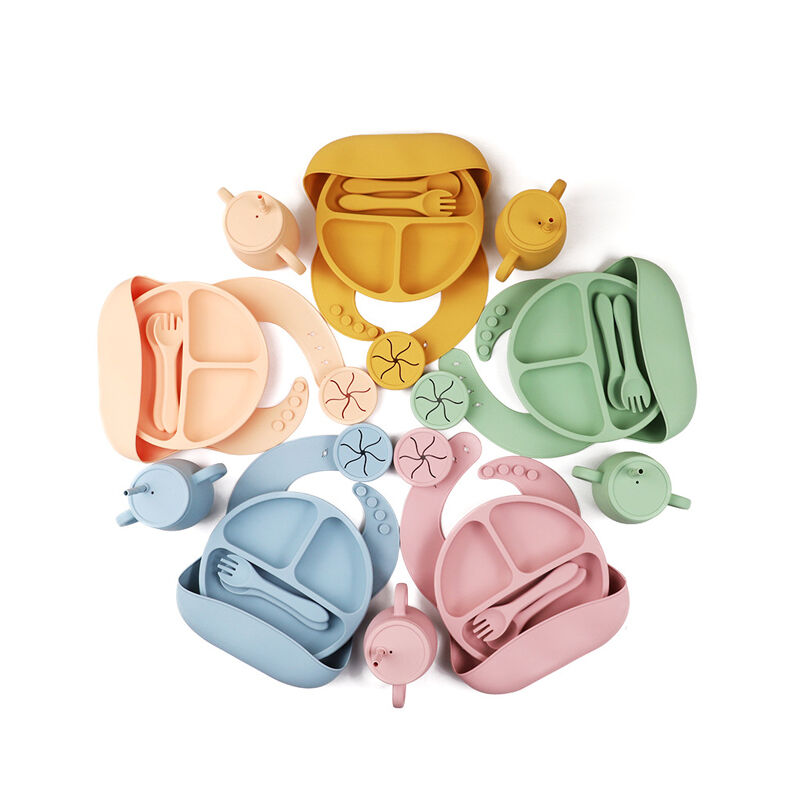
The design of molds used in manufacturing silicone baby products plays a crucial role in determining the safety, quality, and overall reliability of items that infants and toddlers use daily. When manufacturers create silicone baby products, the mold design directly influences factors such as material distribution, surface smoothness, structural integrity, and the absence of potentially harmful defects. Understanding how mold design impacts safety helps parents make informed decisions while encouraging manufacturers to prioritize superior engineering standards in their production processes.
Material Flow and Structural Integrity in Silicone Baby Products
Uniform Material Distribution Through Precision Mold Design
Proper mold design ensures that silicone material flows evenly throughout every section of baby products during the manufacturing process. When molds are engineered with optimal gate placement and runner systems, the resulting silicone baby products exhibit consistent wall thickness and structural strength. This uniform distribution prevents weak spots that could lead to tears, breaks, or material degradation over time. Advanced mold designs incorporate multiple injection points to guarantee that silicone reaches all areas of complex shapes without creating air pockets or incomplete fills.
Temperature control systems integrated into modern mold designs maintain consistent heat distribution during the curing process. This thermal management ensures that silicone baby products achieve proper cross-linking throughout their entire structure, resulting in products that maintain their shape and flexibility under normal use conditions. Inadequate temperature control can create areas of under-cured or over-cured silicone, potentially compromising the safety and durability of the final products.
Eliminating Sharp Edges and Dangerous Protrusions
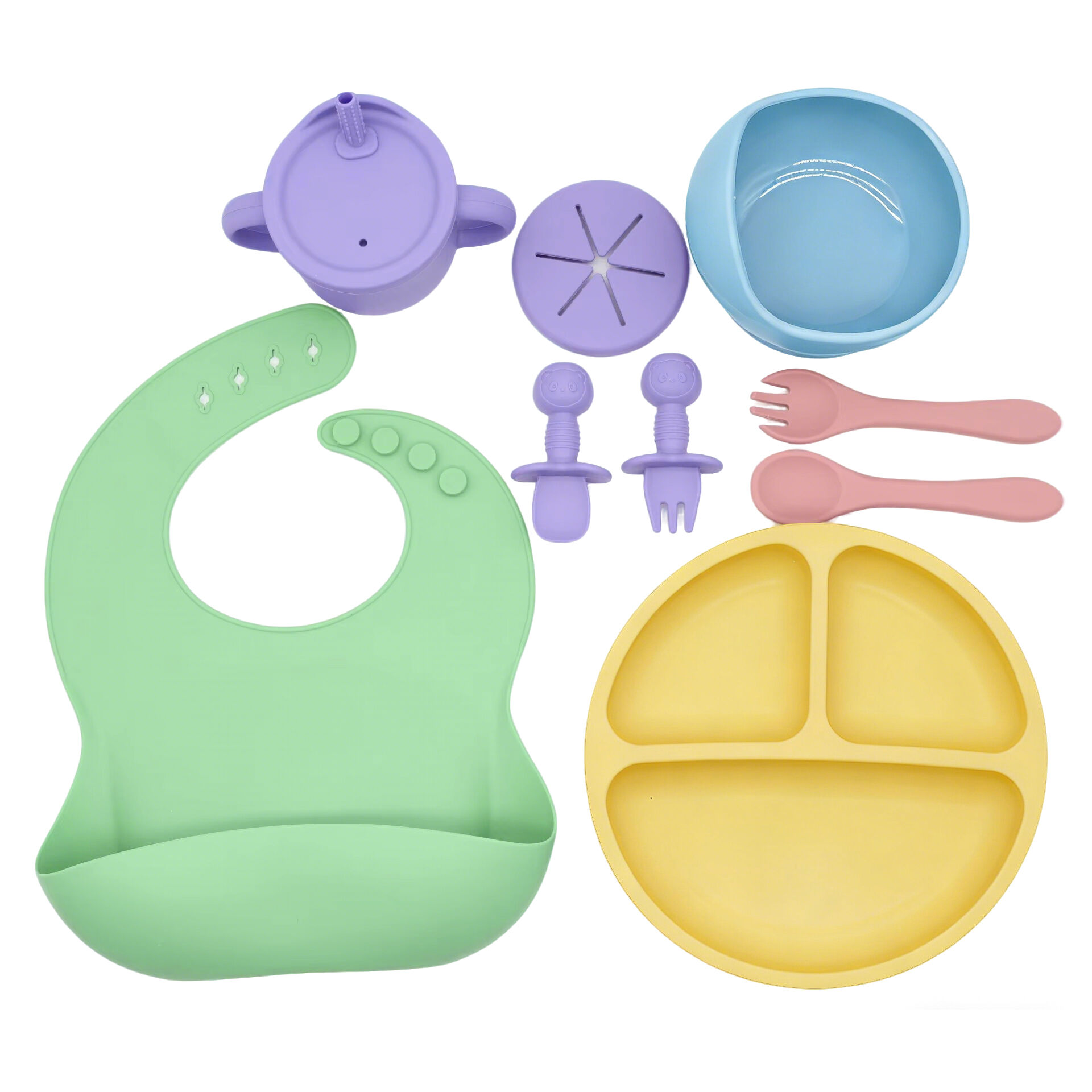
Expert mold designers carefully engineer parting lines and ejection mechanisms to minimize sharp edges on silicone baby products. The strategic placement of parting lines ensures that any unavoidable seam marks occur in areas where they pose minimal risk to infant safety. Advanced mold polishing techniques create smooth surfaces that eliminate rough textures or sharp protrusions that could potentially harm delicate baby skin during use.
Ejection pin placement requires careful consideration to prevent mark formation on critical contact surfaces of silicone baby products. When ejection pins are positioned in non-contact areas or designed with specialized geometries, the resulting products maintain smooth, safe surfaces throughout their functional areas. This attention to detail in mold design directly translates to safer products for infant use.
Surface Quality and Hygiene Considerations
Creating Non-Porous Surfaces for Easy Cleaning
Mold surface finish quality directly determines the final surface characteristics of silicone baby products. High-quality molds feature mirror-like polished surfaces that transfer to the silicone during molding, creating products with smooth, non-porous exteriors. These smooth surfaces prevent bacteria accumulation and make thorough cleaning significantly easier for parents and caregivers. The absence of microscopic surface irregularities reduces the likelihood of harmful microorganisms finding places to hide and multiply.
Advanced texturing techniques applied to mold surfaces can create specific patterns on silicone baby products that enhance grip while maintaining hygienic properties. These controlled textures provide functional benefits without creating cleaning challenges or safety concerns. Proper mold texturing requires sophisticated engineering to balance functional requirements with hygiene considerations.
Preventing Contamination Through Design Excellence
Mold design influences the potential for contamination during the manufacturing process of silicone baby products. Sealed mold systems prevent foreign particles from entering the silicone during injection and curing phases. This contamination prevention is particularly critical for products intended for infant use, where even microscopic impurities could pose health risks. Clean room compatibility in mold design ensures that manufacturing environments maintain the sterile conditions necessary for safe baby product production.
Automated demolding systems integrated into advanced mold designs minimize human contact with freshly molded silicone baby products. This reduction in handling decreases contamination risk while maintaining consistent product quality. Specialized coatings applied to mold surfaces can also provide antimicrobial properties that further enhance the safety of the manufacturing environment.
Dimensional Accuracy and Fit Safety
Precision Tolerances for Proper Assembly
Accurate mold dimensions ensure that silicone baby products maintain precise measurements that are critical for safe assembly and function. When multiple components must work together, such as in feeding bottles or sippy cups, dimensional accuracy prevents gaps that could trap liquids or create choking hazards. High-precision mold manufacturing techniques enable consistent reproduction of critical dimensions across large production runs.
Thermal expansion considerations in mold design account for the material behavior of silicone during curing and cooling phases. Expert mold engineers calculate shrinkage rates and incorporate appropriate compensation into mold dimensions to ensure that finished silicone baby products meet exact specifications. This precision engineering prevents loose fits that could compromise safety or overly tight assemblies that might fail under normal use conditions.
Standardized Safety Dimensions
Mold designs for silicone baby products must incorporate safety standards related to small parts, choking hazards, and age-appropriate sizing. Regulatory compliance requires that molds produce parts with dimensions that meet or exceed minimum size requirements to prevent accidental ingestion. Advanced mold design software enables engineers to verify that all product features comply with safety standards before manufacturing begins.
Quality control features built into mold designs enable real-time monitoring of critical dimensions during production. These systems can detect dimensional drift that might compromise safety standards, allowing for immediate corrective action. Consistent dimensional accuracy across all silicone baby products ensures that safety certifications remain valid throughout the entire production lifecycle.
Chemical Safety and Material Purity
Preventing Chemical Migration Through Design
Mold materials and surface treatments significantly influence the chemical purity of silicone baby products. High-grade tool steels and specialized coatings prevent unwanted chemical reactions between mold surfaces and silicone materials during the curing process. This chemical compatibility ensures that no harmful substances migrate from the mold into the final products, maintaining the food-grade safety standards essential for baby products.
Temperature profiles controlled through sophisticated mold design prevent thermal degradation of silicone materials that could create harmful byproducts. Proper heating and cooling cycles maintain silicone within safe processing temperatures, ensuring that the chemical structure remains stable and safe for infant contact. Advanced mold designs incorporate multiple temperature zones to optimize curing conditions throughout complex product geometries.
Maintaining Food Grade Standards
Specialized mold cleaning and maintenance procedures ensure that manufacturing equipment for silicone baby products maintains food-grade cleanliness standards. Mold designs that facilitate thorough cleaning between production runs prevent cross-contamination and maintain the purity necessary for baby product manufacturing. Easy-access designs enable complete cleaning of all mold surfaces that contact silicone materials.
Traceability systems integrated into modern mold designs enable manufacturers to track the production history of individual silicone baby products. This capability supports quality assurance programs and enables rapid response in the unlikely event of safety concerns. Digital monitoring systems can record processing parameters for each production cycle, creating comprehensive quality documentation.
Quality Assurance Through Design Innovation
Built-in Inspection Capabilities
Advanced mold designs incorporate inspection features that enable real-time quality monitoring during production of silicone baby products. Transparent observation windows allow operators to visually verify proper material flow and detect potential defects before products are completed. Integrated sensor systems can monitor temperature, pressure, and cycle timing to ensure consistent quality standards.
Automated rejection systems built into sophisticated molds can identify and remove defective silicone baby products before they enter the packaging process. These systems use various detection methods including dimensional measurement, weight verification, and visual inspection to ensure that only products meeting safety standards reach consumers. This automated quality control reduces the likelihood of defective products entering the marketplace.
Continuous Improvement Through Data Collection
Modern mold designs enable comprehensive data collection throughout the production process of silicone baby products. This information supports continuous improvement initiatives that enhance safety, quality, and efficiency over time. Statistical process control systems can identify trends that might indicate potential safety issues before they become significant problems.
Predictive maintenance capabilities integrated into advanced mold systems help prevent equipment failures that could compromise product safety. By monitoring mold condition and performance parameters, manufacturers can schedule maintenance activities before wear patterns affect product quality. This proactive approach ensures consistent safety standards throughout the operational life of manufacturing equipment.
FAQ
How does mold surface finish affect the safety of silicone baby products
The surface finish of molds directly transfers to silicone baby products, determining how smooth and non-porous the final products will be. A high-quality, mirror-polished mold surface creates silicone baby products with extremely smooth exteriors that resist bacterial growth and are easy to clean thoroughly. Rough or poorly finished mold surfaces can create microscopic irregularities on products that may harbor bacteria or make complete cleaning difficult, potentially compromising hygiene and safety for infant use.
What role does temperature control play in mold design for baby products
Precise temperature control in mold design ensures that silicone baby products cure properly throughout their entire structure without creating weak spots or chemical degradation. Advanced mold designs incorporate multiple heating zones that maintain optimal temperatures during the curing process, preventing under-cured areas that might be unsafe or over-cured regions that could become brittle. Proper temperature management also prevents thermal stress that could create internal defects invisible to visual inspection but potentially dangerous during use.
Why is dimensional accuracy critical for silicone baby product safety
Dimensional accuracy in silicone baby products ensures proper fit and assembly of multi-component items while preventing choking hazards through precise size control. Accurate mold dimensions guarantee that products meet regulatory size requirements designed to prevent accidental ingestion while ensuring that parts fit together securely without gaps that could trap liquids or create safety concerns. Consistent dimensions also enable reliable performance of safety features such as anti-colic vents or spill-proof mechanisms that depend on precise tolerances.
How do modern molds prevent contamination during production
Contemporary mold designs incorporate sealed systems and clean room compatibility to prevent foreign particles from contaminating silicone baby products during manufacture. Advanced molds feature automated material handling systems that minimize human contact with products, specialized surface coatings with antimicrobial properties, and integrated cleaning systems that maintain sterile conditions between production cycles. These contamination prevention measures ensure that silicone baby products maintain the purity and safety standards essential for infant use from the moment they are produced until they reach consumers.