
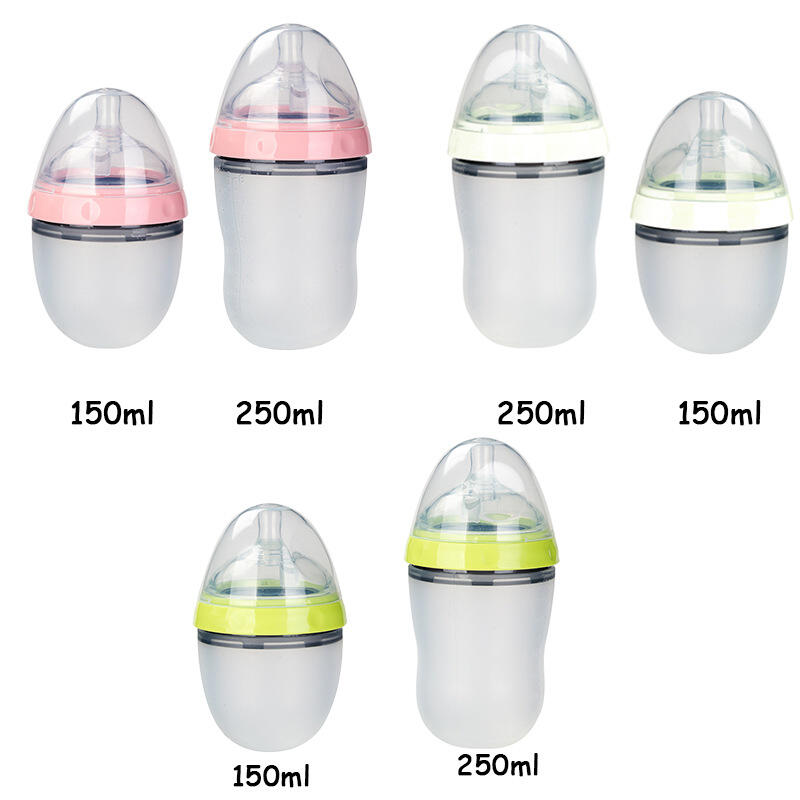
Material selection plays a crucial role in determining the longevity and safety of feeding products for infants. When parents choose a silicone baby bottle, they are making a decision that directly impacts their child's health and the product's overall durability. The unique properties of medical-grade silicone make it an exceptional choice for infant feeding equipment, offering superior resistance to temperature fluctuations, chemical degradation, and physical wear compared to traditional materials like plastic or glass.
Understanding the relationship between material composition and product lifespan helps parents make informed purchasing decisions. A high-quality silicone baby bottle can withstand thousands of sterilization cycles, temperature extremes from freezing to boiling, and repeated use without compromising its structural integrity or releasing harmful chemicals. This durability translates to long-term cost savings and peace of mind for families seeking reliable feeding solutions.
Understanding Silicone Material Properties
Chemical Composition and Structure
Medical-grade silicone used in baby bottles consists of silicon-oxygen polymer chains that create exceptional stability and flexibility. This molecular structure gives a silicone baby bottle its characteristic durability and resistance to environmental factors. The cross-linked polymer network maintains its integrity even under extreme conditions, preventing degradation that commonly affects other materials over time.
The purity of silicone material directly correlates with the bottle's longevity and safety profile. High-grade silicone contains minimal additives or fillers that could compromise structural integrity or leach into contents. This chemical stability ensures that a silicone baby bottle maintains its performance characteristics throughout its extended lifespan, providing consistent safety for infant feeding applications.
Temperature Resistance Capabilities
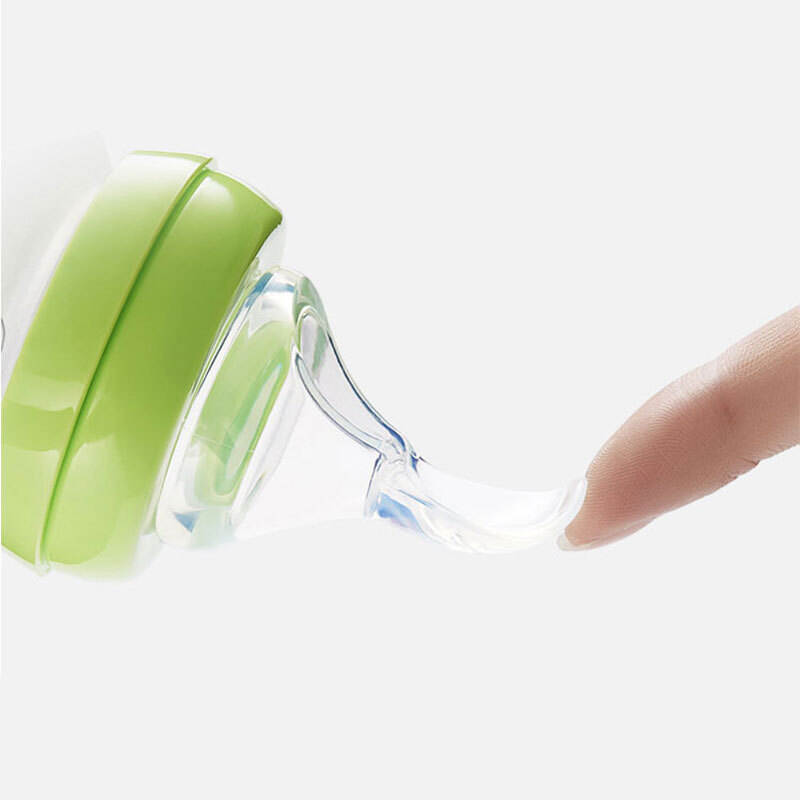
One of the most significant advantages of silicone material is its exceptional temperature tolerance range. A quality silicone baby bottle can safely withstand temperatures from -40°F to 450°F without experiencing material degradation or structural failure. This wide temperature range allows for versatile use including freezer storage, microwave heating, and dishwasher sterilization cycles.
Unlike plastic bottles that can warp or crack under thermal stress, silicone maintains its shape and flexibility across all temperature ranges. This thermal stability means parents can confidently sterilize their silicone baby bottle using various methods without fear of damage or reduced product lifespan. The material's ability to return to its original form after heating and cooling cycles demonstrates superior durability compared to alternative materials.
Durability Factors in Material Selection
Physical Stress Resistance
The inherent flexibility of silicone provides excellent resistance to physical damage from drops, compression, and twisting forces. When a silicone baby bottle experiences impact or pressure, the material absorbs and distributes the force rather than cracking or breaking like rigid alternatives. This resilience significantly extends the product's useful life, especially important for active toddlers who may frequently drop or throw their bottles.
Tear resistance is another critical durability factor where silicone excels. The material's elasticity allows it to stretch significantly before reaching its breaking point, making it virtually impossible to accidentally tear during normal use. A well-manufactured silicone baby bottle can withstand years of daily handling, washing, and use without showing signs of wear or structural compromise.
Chemical Degradation Resistance
Silicone's inert nature provides exceptional resistance to chemical breakdown from cleaning agents, acidic liquids, and other substances commonly encountered in feeding applications. This chemical stability ensures that a silicone baby bottle maintains its integrity even when exposed to harsh sterilization chemicals or acidic formula preparations over extended periods.
The non-porous surface of silicone prevents absorption of liquids, odors, and stains that can compromise other materials. This characteristic not only maintains the bottle's appearance but also prevents the accumulation of bacteria or residue that could affect the product's safety and longevity. Regular cleaning and sterilization actually help maintain the silicone baby bottle's optimal condition rather than degrading it.
Comparison with Alternative Materials
Plastic Bottle Limitations
Traditional plastic baby bottles, while initially cost-effective, suffer from significant durability limitations that affect their long-term value. Polypropylene and other plastics commonly used in bottle manufacturing are susceptible to stress cracking, especially around threaded areas and bottle necks. These weak points often fail after repeated use, requiring premature replacement of the entire feeding system.
Chemical degradation presents another significant concern with plastic bottles. Repeated sterilization cycles can cause plastic materials to become brittle and prone to cracking. Additionally, exposure to certain cleaning agents or high-acid formulas can accelerate this degradation process. In contrast, a silicone baby bottle maintains its flexibility and structural integrity throughout its entire service life, regardless of sterilization frequency or contents.
Glass Bottle Considerations
While glass bottles offer excellent chemical resistance and clarity, their brittleness presents significant safety and durability concerns. Glass breaks catastrophically when dropped, creating dangerous sharp fragments that pose serious injury risks. The weight of glass bottles also makes them more likely to be dropped, especially by small children learning to self-feed.
Temperature shock can cause glass bottles to crack or shatter, particularly when transitioning from hot sterilization to room temperature liquids. A silicone baby bottle eliminates these safety concerns while providing equal or superior chemical resistance and temperature tolerance. The flexibility and impact resistance of silicone make it the optimal choice for active families seeking maximum durability.
Manufacturing Quality Impact on Longevity
Production Process Standards
The manufacturing process significantly influences the final durability of any silicone baby bottle. High-quality production facilities employ precise temperature control, proper curing times, and contamination-free environments to ensure optimal material properties. These controlled conditions result in consistent molecular cross-linking that maximizes the material's inherent durability characteristics.
Quality manufacturers also implement rigorous testing protocols throughout the production process. Each silicone baby bottle undergoes multiple quality checks including stress testing, temperature cycling, and chemical resistance evaluation. This comprehensive testing ensures that only products meeting strict durability standards reach consumers, providing confidence in long-term performance and safety.
Design Features for Enhanced Durability
Thoughtful design elements can significantly extend the lifespan of a silicone baby bottle. Features such as reinforced neck areas, smooth internal surfaces, and optimized wall thickness distribution contribute to overall structural integrity. These design considerations work in conjunction with the material properties to create a feeding solution that withstands years of intensive use.
Ergonomic features also play a role in durability by reducing the likelihood of drops and mishandling. Non-slip textures, comfortable grip areas, and balanced weight distribution make the silicone baby bottle easier to hold securely. When bottles are dropped less frequently, they experience reduced cumulative stress, contributing to extended service life and maintained appearance.
Maintenance and Care for Maximum Durability
Proper Cleaning Techniques
Appropriate cleaning methods can significantly extend the lifespan of any silicone baby bottle while maintaining optimal hygiene standards. The non-porous nature of silicone allows for thorough cleaning with standard dishwasher cycles or hand washing with mild detergents. Unlike porous materials that can harbor bacteria or develop odors, silicone releases contaminants easily with proper cleaning techniques.
Avoiding harsh abrasives or excessive scrubbing helps preserve the smooth surface finish of a silicone baby bottle. While the material is highly durable, maintaining the original surface texture prevents potential areas where bacteria could accumulate. Regular inspection during cleaning allows early detection of any wear patterns or damage that might affect performance or safety.
Storage and Handling Best Practices
Proper storage techniques contribute to the longevity of silicone baby bottles by preventing unnecessary stress and environmental exposure. Storing bottles in a clean, dry environment away from direct sunlight helps maintain material properties over extended periods. While silicone is UV-resistant, minimizing exposure to harsh environmental conditions supports optimal durability.
When not in use, allowing the silicone baby bottle to return to its natural shape without compression or twisting prevents stress concentration in specific areas. This simple practice helps maintain uniform material properties throughout the bottle structure, contributing to consistent performance and extended service life. Proper handling techniques also reduce the risk of accidental damage that could compromise the bottle's integrity.
Economic Benefits of Durable Materials
Long-term Cost Analysis
The initial investment in a high-quality silicone baby bottle often represents significant long-term savings compared to repeatedly replacing inferior products. Durability calculations show that a single silicone bottle can outlast multiple plastic alternatives while providing superior safety and performance characteristics. This extended service life translates directly to reduced per-use costs and fewer trips to purchase replacement feeding equipment.
When factoring in the costs of replacement bottles, cleaning supplies for maintaining worn products, and potential medical expenses from compromised bottle safety, the economic advantages of durable silicone become even more pronounced. A reliable silicone baby bottle eliminates many of these hidden costs while providing peace of mind regarding product reliability and infant safety.
Environmental Sustainability
Choosing durable materials like silicone supports environmental sustainability by reducing the frequency of product replacement and associated waste generation. A single long-lasting silicone baby bottle prevents multiple plastic bottles from entering landfills or requiring energy-intensive recycling processes. This environmental benefit aligns with growing consumer awareness of sustainable product choices.
The recyclability of silicone at the end of its extended service life provides additional environmental advantages. Unlike composite materials that resist recycling, pure silicone can be processed into new products, supporting circular economy principles. This sustainability factor adds value beyond the immediate durability benefits of choosing a quality silicone baby bottle for infant feeding needs.
FAQ
How long does a high-quality silicone baby bottle typically last with regular use
A well-manufactured silicone baby bottle can last 3-5 years or longer with daily use, depending on care and handling. The material's resistance to degradation from sterilization, temperature changes, and normal wear makes it significantly more durable than plastic alternatives. Many families successfully use the same silicone baby bottle for multiple children, demonstrating exceptional longevity when properly maintained.
Can sterilization methods damage silicone baby bottles over time
Medical-grade silicone used in quality baby bottles is specifically designed to withstand thousands of sterilization cycles without degradation. Whether using steam sterilizers, boiling water, or chemical sterilization methods, a properly manufactured silicone baby bottle maintains its integrity and safety properties. The material's heat resistance actually makes it one of the most suitable options for frequent sterilization requirements.
What signs indicate that a silicone baby bottle needs replacement
While silicone baby bottles are extremely durable, replacement indicators include visible tears, persistent odors that don't resolve with cleaning, or changes in the material's flexibility. Surface scratches or minor discoloration typically don't affect performance or safety. The material's transparency to slight cloudiness over time is normal and doesn't compromise the bottle's functionality or safety for continued use.
Are there specific care instructions that maximize silicone baby bottle durability
Maximizing durability involves using mild detergents for cleaning, avoiding sharp objects that could cut the material, and storing bottles without compression. Regular inspection during cleaning helps identify any potential issues early. While silicone baby bottles are dishwasher safe, hand washing with gentle techniques can help maintain the original surface texture and appearance over extended use periods.