
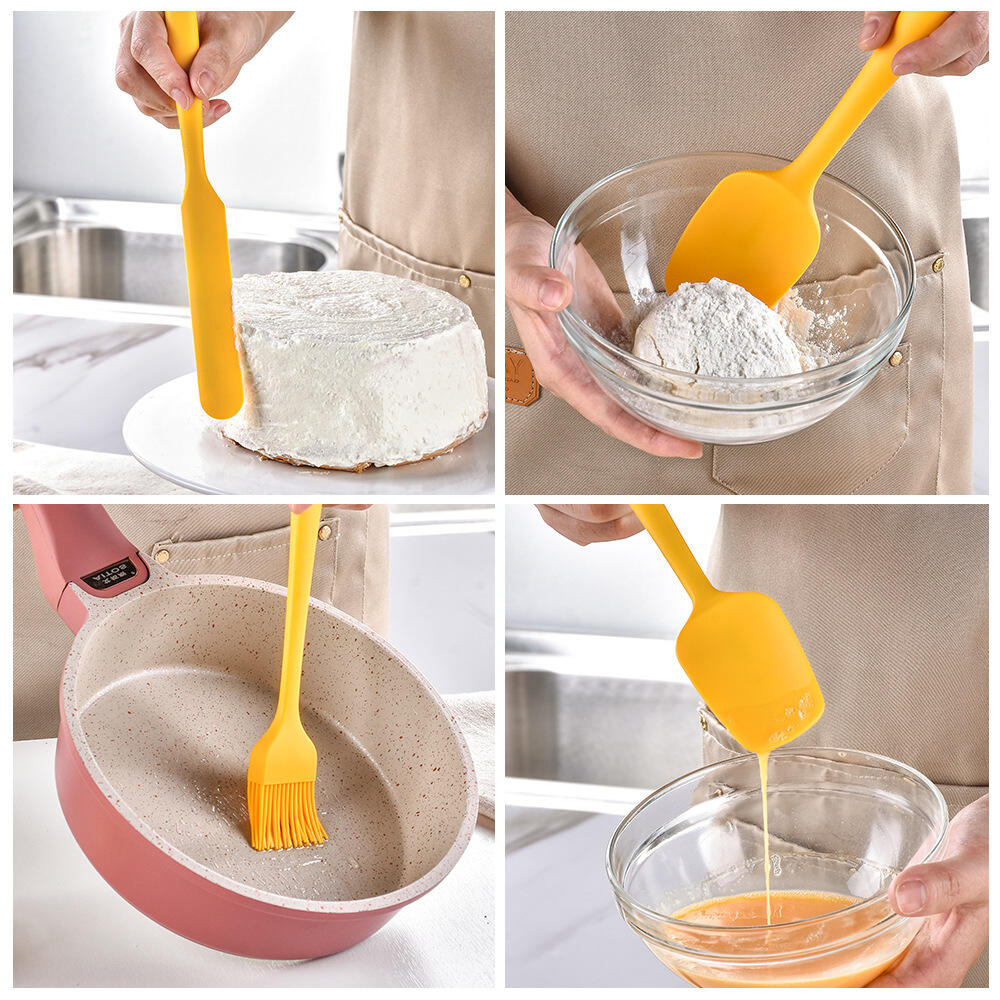
Commercial kitchens demand equipment that can withstand intense daily use while maintaining safety standards and operational efficiency. Among the various materials available for kitchen tools and cookware, silicone kitchenware has emerged as a superior choice for professional food service environments. This versatile material offers unique properties that address the specific challenges faced by commercial kitchen operators, from high-volume food preparation to stringent hygiene requirements.
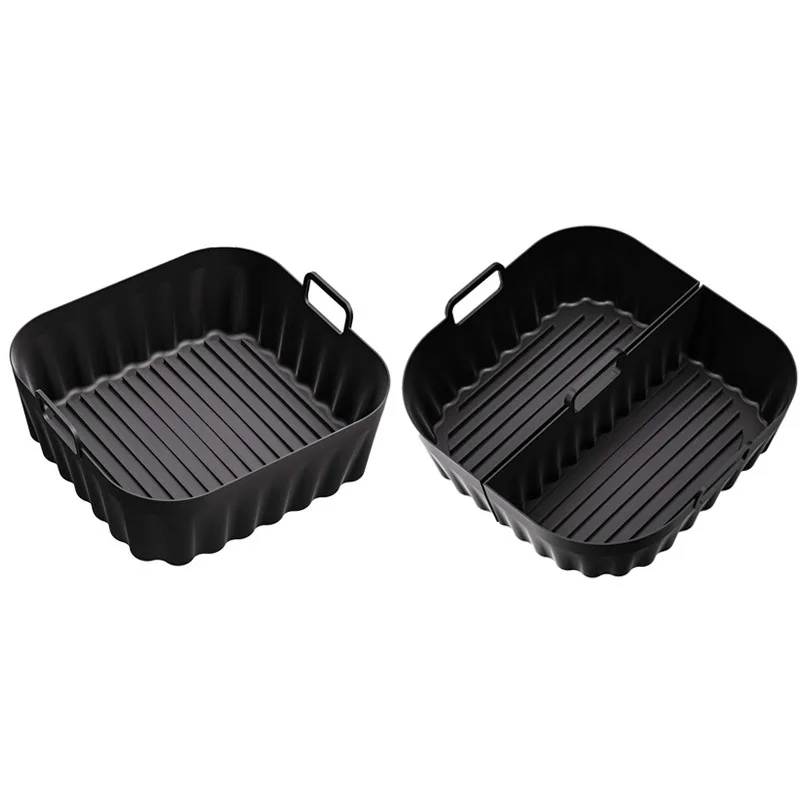
The advantages of silicone kitchenware extend far beyond basic functionality, encompassing critical factors such as temperature resistance, chemical stability, and long-term durability. These characteristics make silicone an ideal material for commercial kitchen applications where equipment must perform consistently under demanding conditions. Understanding these advantages helps kitchen managers make informed decisions about their equipment investments and operational efficiency improvements.
Temperature Resistance and Thermal Stability
Extreme Temperature Performance
Silicone kitchenware excels in commercial kitchen environments primarily due to its exceptional temperature resistance. This material can safely withstand temperatures ranging from -40°F to 500°F (-40°C to 260°C), making it suitable for both freezing applications and high-heat cooking processes. Unlike traditional materials that may crack, warp, or degrade under extreme temperatures, silicone kitchenware maintains its structural integrity and performance characteristics.
The thermal stability of silicone kitchenware proves invaluable in commercial settings where rapid temperature changes are common. Kitchen staff can transfer silicone tools directly from freezer storage to hot ovens without risk of material failure. This versatility eliminates the need for multiple tool sets for different temperature applications, streamlining inventory management and reducing equipment costs.
Commercial ovens, convection units, and steam equipment operate at consistently high temperatures that would damage conventional plastic or rubber kitchen tools. Silicone kitchenware maintains its flexibility and non-stick properties even after prolonged exposure to these demanding conditions, ensuring consistent performance throughout extended service periods.
Thermal Shock Resistance
The ability of silicone kitchenware to resist thermal shock provides significant operational advantages in fast-paced commercial kitchens. Staff can move items directly from refrigerated storage to hot cooking surfaces without allowing for gradual temperature adjustment, improving workflow efficiency and reducing preparation time. This characteristic is particularly valuable during peak service periods when speed and efficiency are critical.
Traditional materials often require careful temperature management to prevent cracking or structural damage from rapid thermal changes. Silicone kitchenware eliminates these concerns, allowing kitchen staff to focus on food preparation rather than equipment handling protocols. This reliability contributes to smoother operations and reduced equipment replacement costs.
Chemical Resistance and Safety Standards
Non-Reactive Surface Properties
Commercial kitchens utilize various cleaning chemicals, sanitizers, and food acids that can react with or degrade inferior kitchen materials. Silicone kitchenware demonstrates exceptional chemical resistance, remaining stable when exposed to acidic foods, alkaline cleaning solutions, and commercial-grade sanitizers. This non-reactive nature prevents flavor contamination and maintains food quality standards.
The chemical inertness of silicone kitchenware ensures that no harmful compounds leach into food products, even under high-temperature cooking conditions. This safety characteristic is crucial for commercial operations that must comply with strict food safety regulations and maintain consistent product quality. Unlike some plastic alternatives, silicone does not release potentially harmful chemicals when heated.
Restaurant and institutional kitchen environments require frequent deep cleaning with powerful sanitizing agents. Silicone kitchenware withstands repeated exposure to these harsh chemicals without degrading, discoloring, or losing structural integrity. This durability maintains both appearance and functionality over extended service periods.
FDA Compliance and Food Safety
High-quality silicone kitchenware meets FDA requirements for food contact surfaces, providing commercial kitchen operators with confidence in their equipment choices. This compliance ensures that the material is safe for direct food contact and will not contaminate food products during preparation, cooking, or storage processes. Commercial kitchens must maintain strict food safety standards, making FDA-compliant equipment essential.
The non-porous surface of silicone kitchenware prevents bacterial growth and makes thorough sanitization achievable through standard commercial cleaning procedures. This characteristic supports HACCP compliance and helps maintain the high hygiene standards required in professional food service operations. Regular sanitization procedures effectively eliminate potential contamination without damaging the equipment.
Durability and Cost-Effectiveness
Long-Term Performance Under Heavy Use
Commercial kitchen environments subject equipment to intensive daily use that would quickly wear out residential-grade materials. Silicone kitchenware demonstrates exceptional durability under these demanding conditions, maintaining its functional properties and appearance even after thousands of use cycles. This longevity provides significant cost savings compared to frequently replacing inferior equipment.
The flexible nature of silicone allows it to absorb impact and stress without cracking or breaking, unlike rigid materials that may fail under heavy use. Kitchen staff can handle silicone kitchenware with confidence, knowing that normal operational stress will not cause premature failure. This reliability reduces downtime and maintains consistent service capabilities.
Restaurant and institutional kitchens operate on tight margins where equipment replacement costs directly impact profitability. The extended service life of silicone kitchenware provides better return on investment compared to cheaper alternatives that require frequent replacement. Initial equipment costs are offset by reduced replacement frequency and lower maintenance requirements.
Maintenance and Cleaning Efficiency
The non-stick properties of silicone kitchenware significantly reduce cleaning time and labor costs in commercial operations. Food residue releases easily from silicone surfaces, requiring minimal scrubbing or soaking to achieve complete cleanliness. This efficiency allows kitchen staff to focus on food preparation rather than equipment maintenance tasks.
Commercial dishwashing systems effectively clean silicone kitchenware without requiring special procedures or extended cycles. The material withstands high-temperature wash cycles and commercial detergents without degrading, ensuring consistent cleanliness standards. This compatibility with existing cleaning systems eliminates the need for specialized maintenance procedures.
The smooth, non-porous surface of silicone kitchenware prevents odor absorption and staining, maintaining professional appearance throughout extended service periods. Unlike porous materials that may retain food odors or discoloration, silicone maintains its original properties and appearance with proper care. This characteristic is particularly important in commercial settings where equipment appearance reflects on overall kitchen hygiene standards.
Operational Efficiency and Versatility
Multi-Purpose Functionality
Silicone kitchenware offers remarkable versatility in commercial kitchen applications, serving multiple functions that would traditionally require separate specialized tools. A single piece of silicone equipment can often handle baking, steaming, freezing, and serving applications, reducing inventory requirements and storage space needs. This multi-functionality provides significant space savings in crowded commercial kitchen environments.
The flexibility of silicone allows for easy food release and portion control, making it ideal for high-volume food production. Baked goods, molded items, and portion-controlled servings release cleanly from silicone surfaces, maintaining product quality and presentation standards. This characteristic improves production efficiency and reduces food waste from items that stick to traditional surfaces.
Commercial kitchens benefit from the ability to use silicone kitchenware across various cooking methods and equipment types. The same silicone pan can move from conventional ovens to convection units to steam tables without concern for material compatibility. This versatility simplifies equipment selection and reduces the complexity of kitchen operations.
Staff Safety and Ergonomic Benefits
The inherent properties of silicone kitchenware contribute to improved workplace safety in commercial kitchen environments. The material remains cool to the touch even when used in high-temperature applications, reducing the risk of burns and heat-related injuries. Kitchen staff can handle silicone equipment with greater confidence and safety compared to metal alternatives that conduct heat.
The lightweight nature of silicone kitchenware reduces physical strain on kitchen staff during extended use periods. Heavy metal pans and tools can contribute to repetitive stress injuries and fatigue, particularly in high-volume operations. Silicone alternatives provide the same functionality with significantly reduced weight, improving worker comfort and reducing injury risk.
The flexibility and grip properties of silicone kitchenware provide better control during food handling and preparation tasks. Staff can manipulate silicone tools with precision and confidence, improving food presentation quality and reducing accidents. This enhanced control is particularly valuable in fast-paced commercial environments where precision and speed are both essential.
FAQ
How does silicone kitchenware compare to traditional metal equipment in commercial durability?
Silicone kitchenware offers superior durability in commercial applications due to its resistance to thermal shock, chemical exposure, and physical stress. While metal equipment may dent, scratch, or corrode over time, silicone maintains its structural integrity and non-stick properties even under intensive daily use. The flexible nature of silicone allows it to absorb impacts that would damage rigid materials, making it ideal for busy commercial kitchen environments where equipment handling is frequent and sometimes rough.
Can silicone kitchenware handle the high-volume cleaning requirements of commercial kitchens?
Yes, silicone kitchenware is specifically well-suited for commercial cleaning protocols. It withstands high-temperature wash cycles, commercial-grade detergents, and sanitizing chemicals without degrading or losing its properties. The non-porous surface prevents bacterial growth and allows for complete sanitization, meeting strict food safety requirements. Additionally, the easy-release properties of silicone significantly reduce cleaning time and labor costs compared to traditional materials that require extensive scrubbing.
What temperature limitations should commercial kitchens consider when using silicone kitchenware?
High-quality silicone kitchenware can safely operate within a temperature range of -40°F to 500°F (-40°C to 260°C), covering virtually all commercial kitchen applications. This range accommodates freezer storage, conventional baking, convection cooking, and most commercial oven operations. However, it's important to verify the specific temperature ratings of individual silicone products, as quality can vary between manufacturers. Professional-grade silicone kitchenware designed for commercial use typically offers the highest temperature resistance and longest service life.
How does the initial cost of silicone kitchenware compare to alternatives for commercial kitchen budgets?
While silicone kitchenware may have a higher initial purchase price compared to basic plastic or some metal alternatives, it provides superior long-term value for commercial operations. The extended service life, reduced replacement frequency, and lower maintenance costs result in better total cost of ownership. Additionally, the multi-functional nature of silicone equipment reduces the need for specialized single-purpose tools, further improving cost-effectiveness. Commercial kitchens typically recover the initial investment through reduced replacement costs and improved operational efficiency within the first year of use.
Table of Contents
- Temperature Resistance and Thermal Stability
- Chemical Resistance and Safety Standards
- Durability and Cost-Effectiveness
- Operational Efficiency and Versatility
-
FAQ
- How does silicone kitchenware compare to traditional metal equipment in commercial durability?
- Can silicone kitchenware handle the high-volume cleaning requirements of commercial kitchens?
- What temperature limitations should commercial kitchens consider when using silicone kitchenware?
- How does the initial cost of silicone kitchenware compare to alternatives for commercial kitchen budgets?