
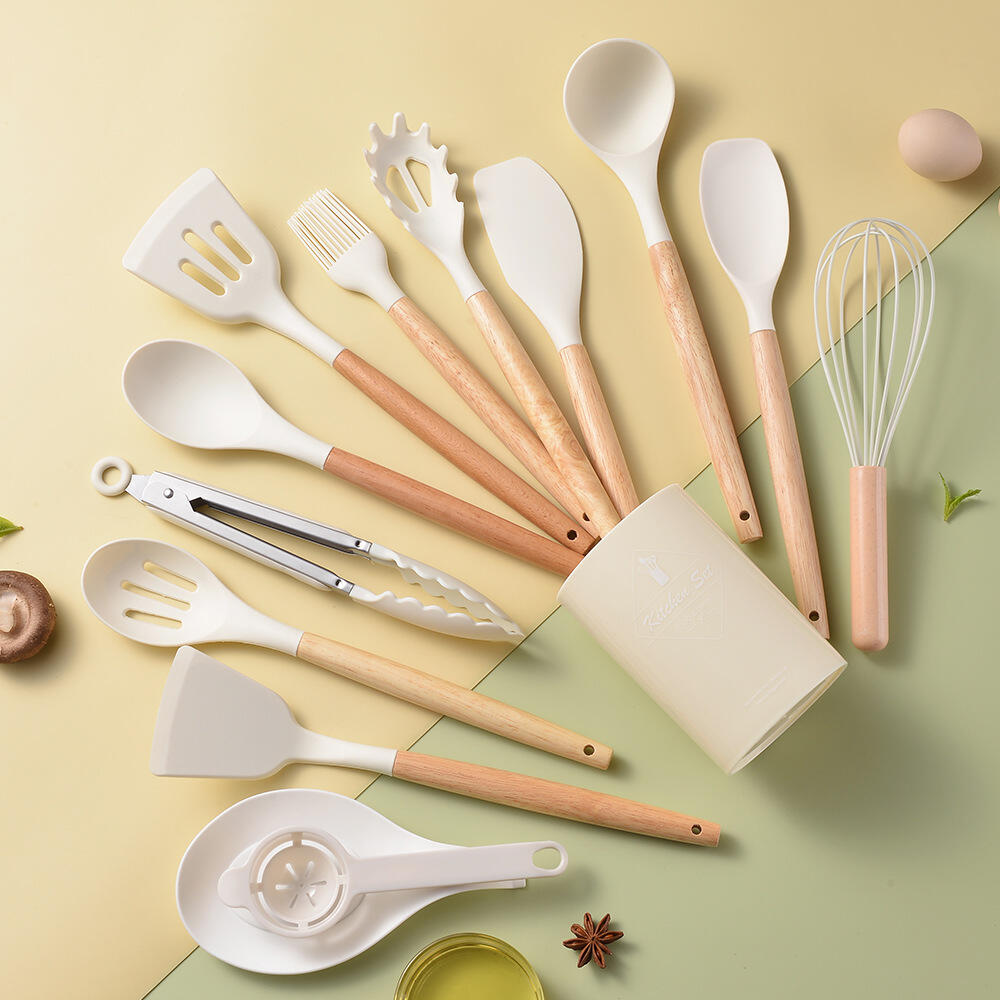
When commercial kitchens and home baking operations subject silicone kitchenware to continuous high-temperature exposure, understanding thermal performance becomes critical for operational efficiency and safety. Professional-grade silicone kitchenware demonstrates remarkable resilience through repeated heating cycles, maintaining structural integrity and functional properties that make it indispensable for demanding culinary environments.
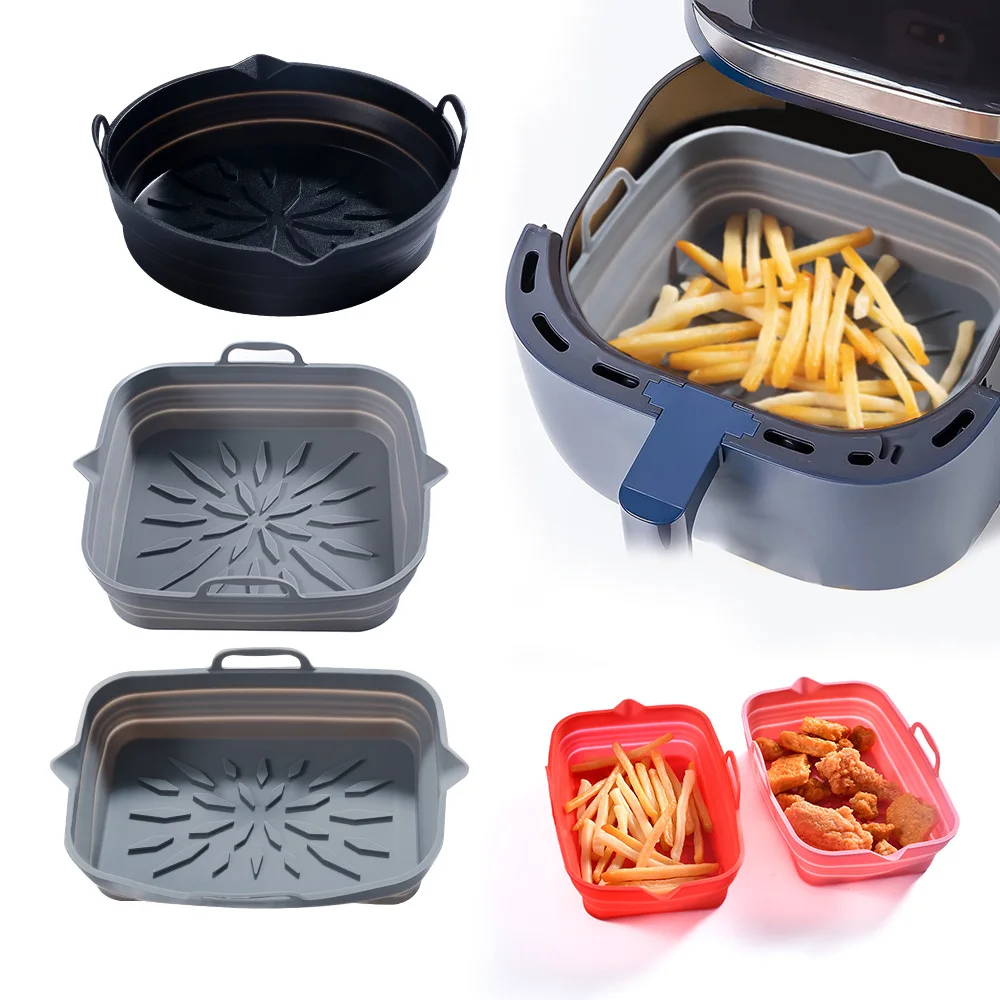
The molecular structure of food-grade silicone enables it to withstand temperature extremes while preserving flexibility and non-stick characteristics essential for consistent food preparation results. Through analyzing thermal degradation patterns, heat distribution properties, and long-term durability factors, food service professionals can make informed decisions about incorporating silicone kitchenware into their high-volume operations.
Thermal Stability Characteristics of Silicone Materials
Temperature Resistance Range and Limitations
High-quality silicone kitchenware typically maintains stable performance across temperature ranges from -40°F to 450°F (-40°C to 232°C), with premium grades extending operational limits to 500°F (260°C). This broad thermal operating window allows silicone kitchenware to transition seamlessly from freezer storage to oven applications without compromising material properties. The siloxane polymer backbone provides exceptional thermal stability by distributing heat energy across molecular chains rather than concentrating stress at specific bond points.
During repeated high-heat exposure, silicone kitchenware experiences minimal thermal expansion compared to metal alternatives, reducing warping and dimensional changes that could affect food preparation consistency. Professional testing demonstrates that quality silicone maintains its original shape and flexibility even after thousands of heating cycles, making it particularly valuable for automated food production systems where dimensional accuracy matters.
Heat Distribution and Retention Properties
The thermal conductivity properties of silicone kitchenware create uniform heat distribution patterns that prevent hot spots and ensure consistent cooking results across the entire surface area. Unlike metal cookware that can develop thermal gradients, silicone materials absorb and release heat gradually, providing more controlled temperature transitions during cooking processes.
This controlled heat transfer characteristic becomes particularly advantageous in applications requiring precise temperature management, such as chocolate tempering, delicate pastry work, or temperature-sensitive sauce preparations. The moderate thermal conductivity of silicone kitchenware allows operators to maintain better control over heating rates while avoiding sudden temperature spikes that could damage sensitive ingredients.
Performance Under Continuous Heat Cycling
Molecular Structure Changes During Repeated Exposure
When silicone kitchenware undergoes repeated high-temperature cycles, the cross-linked polymer network gradually adjusts to thermal stress without fundamental molecular breakdown. Initially, new silicone products may release trace amounts of volatile organic compounds during the first few heating cycles, but this outgassing diminishes rapidly as the material reaches thermal equilibrium.
Long-term exposure to high heat actually improves certain performance characteristics of silicone kitchenware by completing the curing process and optimizing cross-link density throughout the material matrix. This thermal conditioning results in enhanced durability, improved non-stick properties, and more consistent thermal response during subsequent heating cycles.
Surface Integrity and Non-Stick Performance
The non-stick surface characteristics of silicone kitchenware remain remarkably stable throughout extended high-heat exposure cycles, unlike traditional coatings that may degrade or flake over time. The inherent release properties derive from the low surface energy of silicone molecules rather than applied coatings, ensuring consistent food release performance regardless of thermal history.
Professional kitchen testing reveals that properly manufactured silicone kitchenware maintains its original surface texture and release characteristics even after years of daily high-temperature use. The flexible nature of silicone allows microscopic surface irregularities to self-heal during thermal cycling, actually improving non-stick performance over time through natural surface optimization.
Durability Factors in High-Temperature Applications
Mechanical Strength Under Thermal Stress
The mechanical properties of silicone kitchenware demonstrate exceptional stability under repeated thermal cycling, with tensile strength and tear resistance remaining consistent across thousands of heating cycles. Unlike materials that become brittle or lose flexibility with age, silicone maintains its original elasticity and impact resistance throughout its operational lifetime.
This mechanical durability becomes particularly important in commercial kitchens where silicone kitchenware must withstand handling stress immediately after high-temperature exposure. The combination of thermal stability and mechanical resilience allows kitchen staff to manipulate hot silicone bakeware safely without risk of cracking or sudden failure that could create safety hazards or production disruptions.
Chemical Resistance During Heat Exposure
High-temperature exposure enhances rather than degrades the chemical resistance properties of silicone kitchenware, creating improved barriers against acids, oils, and other food compounds that might otherwise cause material degradation. The thermal energy actually promotes tighter molecular packing within the silicone matrix, reducing permeability and improving stain resistance.
Professional silicone kitchenware maintains its neutral taste and odor characteristics even after extensive high-heat use with strongly flavored foods, preventing flavor transfer between different applications. This chemical stability ensures that silicone bakeware used for savory applications can be thoroughly cleaned and immediately repurposed for delicate dessert preparations without contamination concerns.
Practical Performance Considerations for Professional Use
Heat Cycling Impact on Cleaning and Maintenance
Repeated high-temperature exposure actually improves the cleanability of silicone kitchenware by preventing the buildup of polymerized oils and food residues that typically accumulate on other cookware surfaces. The thermal cycling process helps maintain the molecular mobility necessary for effective soil release during washing procedures.
Kitchen professionals find that well-conditioned silicone kitchenware requires less aggressive cleaning chemicals and shorter wash cycles compared to new products, resulting in improved operational efficiency and reduced chemical costs. The enhanced soil release properties develop gradually through regular high-temperature use, making older silicone cookware often preferable to new items for demanding applications.
Long-Term Economic Performance
The exceptional durability of silicone kitchenware under repeated high-heat cycling creates significant long-term value for professional food service operations. While initial investment costs may exceed traditional alternatives, the extended operational lifetime and consistent performance characteristics provide superior total cost of ownership.
Professional kitchens report silicone kitchenware maintaining full functionality for multiple years under daily high-temperature use, with replacement needs typically driven by operational changes rather than material failure. This reliability reduces inventory management complexity and eliminates unexpected equipment failures that could disrupt production schedules during critical service periods.
Optimization Strategies for Maximum Performance
Proper Temperature Management Techniques
Maximizing the performance of silicone kitchenware under repeated high-heat cycles requires understanding optimal temperature transition rates and exposure durations. Gradual temperature increases allow the silicone matrix to accommodate thermal expansion evenly, preventing localized stress concentrations that could accelerate wear patterns.
Professional baking operations achieve best results by preheating silicone kitchenware gradually rather than subjecting it to sudden temperature shocks. This thermal conditioning approach extends operational lifetime while ensuring consistent heat distribution characteristics throughout the cooking process, particularly important for applications requiring precise temperature control.
Storage and Handling Between Heat Cycles
The flexibility of silicone kitchenware requires specific storage considerations to prevent stress concentration during cooling periods between high-temperature applications. Proper support during cooling prevents permanent deformation that could affect heat distribution patterns in subsequent uses.
Professional kitchens optimize silicone kitchenware longevity by allowing complete cooling before stacking or storage, preventing thermal stress from creating permanent shape changes. This attention to thermal cycling protocols ensures that silicone products maintain their original performance characteristics throughout extended high-temperature service life.
FAQ
How many high-temperature cycles can silicone kitchenware withstand before showing performance degradation?
Quality silicone kitchenware can withstand thousands of high-temperature cycles without significant performance degradation. Professional-grade products typically maintain full functionality through 2,000-5,000 heating cycles at maximum rated temperatures, with actual lifetime often exceeding manufacturer specifications in normal commercial kitchen use.
Does repeated high-heat exposure affect the food safety properties of silicone kitchenware?
Repeated high-temperature cycling actually improves the food safety characteristics of silicone kitchenware by completing the curing process and reducing any residual volatile compounds. FDA-approved silicone maintains its food-safe properties throughout its operational lifetime, with thermal cycling enhancing rather than compromising safety performance.
Can silicone kitchenware be used immediately after high-temperature exposure without cooling periods?
While silicone kitchenware can technically be handled immediately after high-temperature exposure due to its low thermal conductivity, allowing brief cooling periods optimizes long-term durability. Professional operations typically implement 5-10 minute cooling protocols between maximum temperature cycles to prevent cumulative thermal stress that could accelerate wear patterns.
What temperature range provides optimal balance between performance and longevity for repeated cycling?
For repeated high-heat cycling applications, maintaining temperatures between 350°F-425°F (175°C-218°C) provides optimal balance between cooking performance and material longevity. This range allows silicone kitchenware to deliver excellent heat distribution while operating well within thermal limits, ensuring maximum cycle life in demanding commercial applications.
Table of Contents
- Thermal Stability Characteristics of Silicone Materials
- Performance Under Continuous Heat Cycling
- Durability Factors in High-Temperature Applications
- Practical Performance Considerations for Professional Use
- Optimization Strategies for Maximum Performance
-
FAQ
- How many high-temperature cycles can silicone kitchenware withstand before showing performance degradation?
- Does repeated high-heat exposure affect the food safety properties of silicone kitchenware?
- Can silicone kitchenware be used immediately after high-temperature exposure without cooling periods?
- What temperature range provides optimal balance between performance and longevity for repeated cycling?