
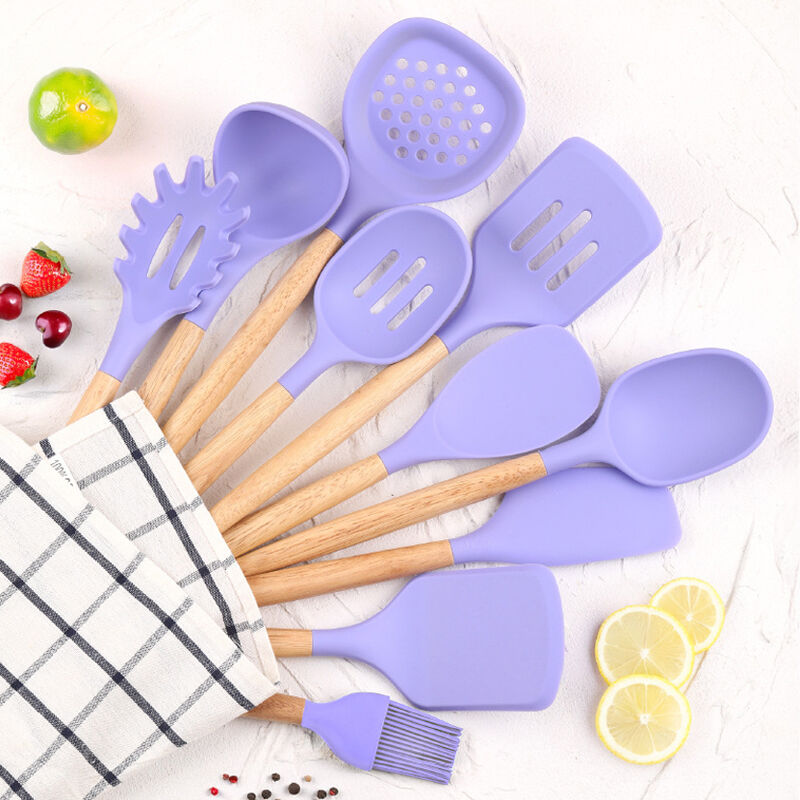
Commercial silicone kitchenware requires specific surface finishes to meet the demanding requirements of professional food service environments. Understanding the preferred surface treatments for silicone kitchenware helps manufacturers and food service operators select products that deliver optimal performance, durability, and food safety compliance. The choice of surface finish directly impacts heat distribution, non-stick properties, cleaning efficiency, and overall product lifespan in commercial applications.
Professional kitchens demand silicone kitchenware that can withstand high-volume use while maintaining consistent performance standards. Surface finish selection becomes critical because commercial environments subject these products to frequent temperature cycling, intensive cleaning protocols, and continuous handling stress. The right surface treatment ensures that silicone kitchenware maintains its functional properties throughout extended service periods while meeting strict hygiene and safety requirements.
Smooth Matte Finishes for Enhanced Performance
Non-Reflective Surface Benefits
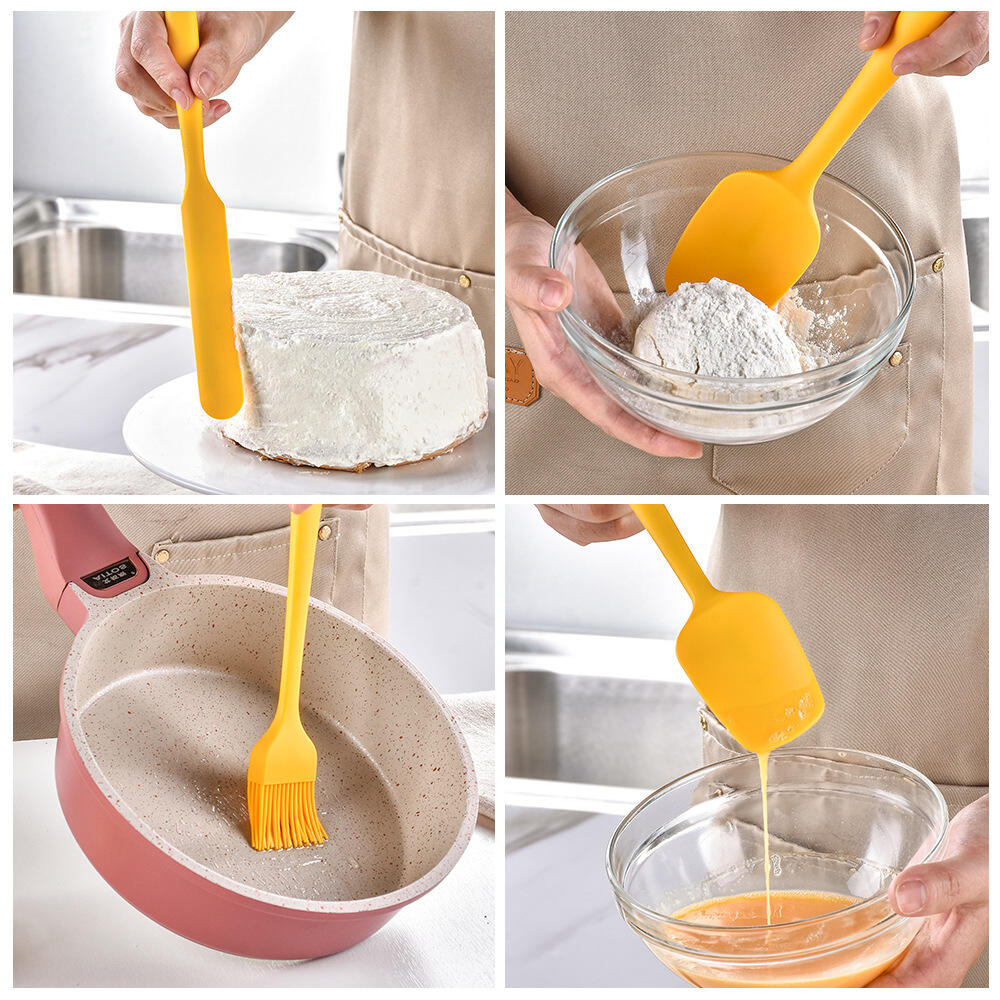
Smooth matte finishes represent the most widely preferred surface treatment for commercial silicone kitchenware due to their superior functional characteristics. This finish type provides excellent non-stick properties without creating glare under commercial kitchen lighting systems. The matte texture reduces light reflection, making it easier for kitchen staff to monitor cooking progress and food appearance during preparation processes.
Professional food service operations favor matte-finished silicone kitchenware because it hides minor surface wear and maintains an attractive appearance longer than glossy alternatives. The reduced visibility of fingerprints, water spots, and light scratches helps maintain professional presentation standards even after extended use in busy commercial environments.
Matte finishes also demonstrate superior grip characteristics, providing better handling control when kitchen staff work with wet or greasy hands. This enhanced grip reduces the likelihood of accidents and improves overall kitchen safety protocols, making matte-finished silicone kitchenware particularly valuable in high-pressure commercial cooking situations.
Cleaning and Maintenance Advantages
The smooth matte surface facilitates efficient cleaning procedures required in commercial food service environments. This finish type allows cleaning solutions to spread evenly across the surface while preventing cleaning residue from accumulating in microscopic surface irregularities. Commercial dishwashing systems can effectively remove food particles and sanitize matte-finished silicone kitchenware without requiring excessive scrubbing or specialized cleaning techniques.
Matte finishes resist showing water spots and soap residue, which helps maintain the professional appearance of silicone kitchenware between uses. This characteristic reduces the time required for final drying and polishing steps, improving overall kitchen efficiency and reducing labor costs associated with equipment maintenance.
The surface chemistry of properly applied matte finishes creates an optimal balance between smoothness and microscopic texture that prevents bacterial adhesion while allowing easy removal of food residues. This characteristic supports food safety compliance requirements and reduces the risk of cross-contamination in commercial food preparation environments.
Textured Anti-Slip Surface Treatments
Enhanced Grip Performance
Textured anti-slip finishes provide specialized benefits for specific types of commercial silicone kitchenware applications. These surface treatments incorporate controlled micro-texturing that increases friction between the silicone surface and food items, preventing sliding and movement during cooking processes. The textured finish proves particularly valuable for baking mats, roasting trays, and food preparation surfaces where ingredient stability is critical.
Commercial bakeries and pastry operations often prefer textured finishes on silicone kitchenware because the surface helps maintain dough positioning during rolling, cutting, and shaping operations. The controlled texture provides sufficient grip to prevent movement while remaining gentle enough to avoid damaging delicate dough surfaces or creating unwanted texture imprints on finished products.
The anti-slip properties of textured finishes also extend to the interface between silicone kitchenware and work surfaces. This dual-sided grip characteristic helps prevent sliding on stainless steel countertops and reduces the need for additional securing mechanisms, improving workflow efficiency in busy commercial kitchen environments.
Durability and Wear Resistance
Textured surfaces demonstrate enhanced wear resistance compared to completely smooth finishes because the micro-texture helps distribute mechanical stress across a larger surface area. This characteristic proves particularly valuable in commercial environments where silicone kitchenware experiences frequent handling, stacking, and storage cycles that can cause surface wear over time.
The controlled texture pattern in anti-slip finishes helps mask minor surface damage that occurs during normal commercial use. Small scratches and scuff marks become less visible within the textured pattern, helping maintain professional appearance standards longer than smooth finishes would under similar use conditions.
Commercial operations benefit from the extended service life that textured finishes provide because replacement costs are reduced and equipment reliability is improved. The enhanced durability characteristics of textured silicone kitchenware make it particularly suitable for high-volume operations where equipment replacement frequency directly impacts operational costs.
Food-Safe Coating Systems
Specialized Non-Stick Enhancements
Advanced food-safe coating systems represent premium surface finish options for commercial silicone kitchenware that require exceptional non-stick performance. These coatings typically incorporate specialized polymer treatments that enhance the natural non-stick properties of silicone while maintaining complete food safety compliance and temperature resistance characteristics.
Commercial food service operations that handle sticky or high-sugar content foods often specify coated silicone kitchenware because the enhanced release properties reduce product waste and improve portion consistency. The specialized coatings help prevent caramelized sugars, cheese, and other challenging ingredients from adhering to the surface during cooking processes.
Food-safe coating systems also provide additional protection against flavor absorption and odor retention, which proves critical in commercial environments where silicone kitchenware may be used with strongly flavored ingredients throughout the day. The coating barrier helps maintain flavor neutrality and prevents cross-contamination between different food preparation tasks.
Heat Distribution Optimization
Specialized coating systems can incorporate heat-conductive additives that improve thermal distribution across the surface of silicone kitchenware. This characteristic proves particularly valuable for commercial baking applications where uniform heat transfer ensures consistent product quality and reduces the likelihood of hot spots that could cause uneven cooking or burning.
The thermal enhancement provided by advanced coatings helps commercial silicone kitchenware deliver more predictable cooking results, which supports standardized food preparation procedures and portion control requirements. This consistency proves essential for maintaining product quality standards in commercial food service operations.
Enhanced heat distribution also contributes to energy efficiency in commercial cooking operations by reducing cooking times and minimizing the temperature differentials required to achieve desired cooking results. This characteristic helps reduce energy costs while maintaining food quality standards in high-volume commercial environments.
Surface Finish Selection Criteria
Application-Specific Requirements
The selection of appropriate surface finishes for commercial silicone kitchenware depends on specific application requirements and operational parameters. High-temperature cooking applications typically require finishes that maintain their properties under extreme thermal cycling, while cold food preparation applications may prioritize easy cleaning and stain resistance characteristics.
Commercial bakeries often require different surface finish characteristics than restaurants or catering operations because of the specific ingredients and processes involved. Silicone kitchenware used in bakery applications may need enhanced flour release properties, while restaurant applications might prioritize oil and grease resistance for different cooking methods.
Volume and frequency of use also influence surface finish selection because high-volume operations require finishes that can withstand intensive daily use without degrading performance characteristics. The expected service life and replacement cycle planning must consider how different finishes perform under specific operational stress conditions.
Maintenance and Compliance Considerations
Food safety regulations and cleaning protocol requirements significantly influence surface finish selection for commercial silicone kitchenware. Certain finishes may require specific cleaning procedures or sanitization methods to maintain compliance with health department standards and food safety certifications.
The compatibility of surface finishes with commercial dishwashing systems and cleaning chemicals must be evaluated to ensure that cleaning procedures do not degrade the finish or compromise food safety characteristics. Some specialized finishes may require gentle cleaning methods that could conflict with high-efficiency commercial cleaning protocols.
Long-term cost considerations include both initial purchase price and ongoing maintenance requirements associated with different surface finish options. Premium finishes may justify higher initial costs through extended service life and reduced replacement frequency, while standard finishes might prove more economical for applications with lower performance requirements.
Quality Standards and Performance Validation
Industry Certification Requirements
Commercial silicone kitchenware surface finishes must meet established industry certification standards for food contact applications. These certifications verify that surface treatments do not release harmful substances during normal use conditions and maintain their safety characteristics throughout the expected service life of the product.
FDA compliance requirements for food contact surfaces establish minimum performance standards for migration testing, temperature resistance, and chemical compatibility. Surface finishes must demonstrate compliance with these standards through appropriate testing protocols and documentation to qualify for commercial food service applications.
International certification standards such as LFGB and other regional requirements may impose additional testing requirements for surface finishes used on silicone kitchenware intended for global markets. Manufacturers must ensure that selected surface treatments comply with all applicable regulatory requirements in target markets.
Performance Testing Protocols
Standardized testing protocols evaluate surface finish performance characteristics under controlled conditions that simulate commercial use environments. These tests assess properties such as abrasion resistance, thermal cycling durability, chemical resistance, and cleaning effectiveness to validate performance claims.
Accelerated aging tests expose surface finishes to intensified stress conditions to predict long-term performance characteristics and identify potential failure modes. These testing protocols help manufacturers and commercial users evaluate the expected service life and replacement intervals for different surface finish options.
Field testing in actual commercial environments provides additional validation of surface finish performance under real-world conditions. This testing approach helps identify performance characteristics that may not be apparent in laboratory testing and provides valuable feedback for surface finish optimization and selection decisions.
FAQ
What is the most durable surface finish for commercial silicone kitchenware?
Smooth matte finishes generally provide the best combination of durability and performance for commercial silicone kitchenware applications. This finish type resists wear, maintains non-stick properties longer, and withstands frequent cleaning cycles while hiding minor surface damage that occurs during normal commercial use.
How do textured finishes affect cleaning requirements for silicone kitchenware?
Textured finishes may require slightly more attention during cleaning to ensure complete removal of food particles from surface irregularities, but they typically clean effectively with standard commercial dishwashing procedures. The texture helps prevent scratching during cleaning while providing enhanced grip and anti-slip properties during use.
Are specialized coatings necessary for high-temperature commercial applications?
Specialized coatings can enhance performance in extreme temperature applications, but high-quality silicone kitchenware with appropriate base finishes typically performs well in most commercial temperature ranges. Coatings become more valuable when specific non-stick requirements or thermal distribution needs exceed the capabilities of standard surface finishes.
What surface finish works best for commercial baking applications?
Smooth matte finishes are typically preferred for commercial baking applications because they provide excellent release properties for baked goods while maintaining easy cleaning characteristics. Some bakery operations may prefer lightly textured surfaces for specific applications where dough stability or enhanced grip properties are required during preparation processes.
Table of Contents
- Smooth Matte Finishes for Enhanced Performance
- Textured Anti-Slip Surface Treatments
- Food-Safe Coating Systems
- Surface Finish Selection Criteria
- Quality Standards and Performance Validation
-
FAQ
- What is the most durable surface finish for commercial silicone kitchenware?
- How do textured finishes affect cleaning requirements for silicone kitchenware?
- Are specialized coatings necessary for high-temperature commercial applications?
- What surface finish works best for commercial baking applications?