

Understanding how silicone tableware meets international food safety regulations is crucial for manufacturers, importers, and consumers who prioritize health and safety in food contact materials. International food safety rules establish comprehensive frameworks that govern the composition, testing, and certification of silicone tableware to ensure these products do not pose risks to human health when used for food storage, preparation, or consumption.
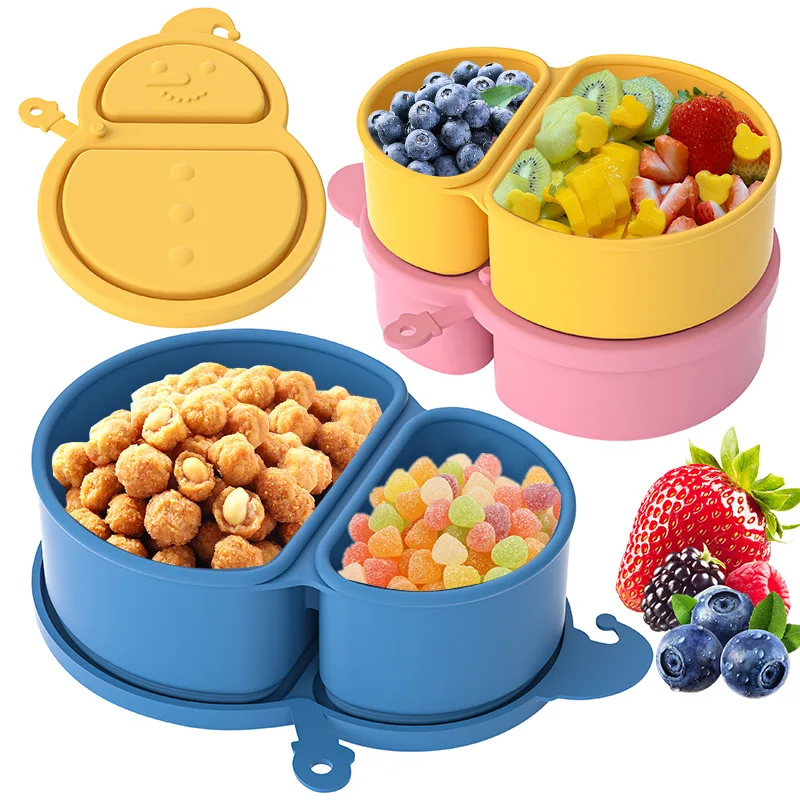
Silicone tableware compliance involves multiple layers of regulatory oversight, from raw material specifications to finished product testing and ongoing quality assurance protocols. These international standards work together to create a comprehensive safety net that protects consumers while enabling global trade in food-grade silicone products. The compliance process requires manufacturers to understand and implement specific testing methods, documentation requirements, and quality control measures that vary across different regulatory jurisdictions while maintaining consistent safety outcomes.
Regulatory Framework Governing Silicone Tableware Safety
FDA Regulations for Food Contact Substances
The United States Food and Drug Administration establishes stringent requirements for silicone tableware through Title 21 of the Code of Federal Regulations, specifically sections covering food contact substances. These regulations mandate that silicone tableware must be manufactured from materials that are generally recognized as safe for their intended use and do not migrate harmful substances into food under normal conditions of use. The FDA requires comprehensive migration testing to demonstrate that silicone tableware does not transfer chemicals, additives, or degradation products to food at levels that could pose health risks.
FDA compliance for silicone tableware also encompasses specific requirements for good manufacturing practices, facility registration, and process controls that ensure consistent product safety. Manufacturers must maintain detailed documentation demonstrating that their silicone tableware meets established migration limits for various food simulants, temperature conditions, and contact times. The regulatory framework also requires ongoing surveillance and reporting of any safety issues that may arise during commercial use of silicone tableware products.
European Union Food Contact Material Regulations
The European Union governs silicone tableware safety through Regulation 1935/2004 and its implementing measures, which establish comprehensive requirements for materials intended to come into contact with food. EU regulations require that silicone tableware must not transfer constituents to food in quantities that could endanger human health, change the composition of food in an unacceptable way, or deteriorate the taste and odor of food products.
EU compliance requires extensive documentation including declarations of conformity, supporting test data, and traceability information throughout the supply chain. The regulations establish specific migration limits for various substances and require testing under standardized conditions that simulate real-world use scenarios. European authorities also mandate risk assessment procedures that evaluate the cumulative exposure to chemical substances from all sources, ensuring that silicone tableware contributes only minimal additional exposure to potentially harmful compounds.
International Standards Organization Guidelines
The International Standards Organization provides harmonized guidelines for silicone tableware safety through ISO 4531 and related standards that establish testing methods, performance criteria, and quality assurance procedures recognized globally. These standards facilitate international trade by providing common technical specifications that manufacturers can use to demonstrate compliance across multiple regulatory jurisdictions simultaneously.
ISO standards for silicone tableware encompass material characterization, migration testing protocols, and quality management systems that ensure consistent safety performance. The standards also establish sampling procedures, statistical methods for data analysis, and criteria for accepting or rejecting test results. This standardized approach helps manufacturers streamline their compliance efforts while providing regulators with reliable methods for evaluating the safety of imported silicone tableware products.
Material Composition and Chemical Safety Requirements
Approved Raw Material Specifications
International food safety rules specify detailed requirements for the raw materials used in silicone tableware manufacturing, including purity standards for silicone polymers, restrictions on catalysts and cross-linking agents, and limits on trace contaminants that could affect food safety. These specifications ensure that only materials with established safety profiles are used in products that will come into direct contact with food during normal use.
Raw material compliance requires manufacturers to maintain comprehensive supplier qualification programs that verify the composition and safety of all ingredients used in silicone tableware production. This includes documentation of manufacturing processes, impurity profiles, and stability data that demonstrate the materials will not degrade or release harmful substances under anticipated storage and use conditions. The specifications also address the use of additives, colorants, and processing aids that must meet specific purity and safety criteria.
Chemical Migration Testing Protocols
Chemical migration testing forms the cornerstone of silicone tableware safety compliance, requiring manufacturers to demonstrate that their products do not release harmful substances into food under various conditions of use. These testing protocols simulate different food types, temperatures, and contact times to evaluate the worst-case scenarios that consumers might encounter during normal use of silicone tableware products.
Migration testing for silicone tableware involves sophisticated analytical methods that can detect and quantify extremely low levels of chemical substances. The testing protocols require the use of various food simulants that represent different categories of foods, from aqueous to fatty foods, and different pH conditions that might affect chemical migration rates. Results must demonstrate that migration levels remain below established safety thresholds under all tested conditions, providing confidence that the silicone tableware will not pose health risks during consumer use.
Toxic Substance Restrictions and Monitoring
International regulations establish comprehensive restrictions on toxic substances that are prohibited or limited in silicone tableware manufacturing, including heavy metals, volatile organic compounds, and specific chemicals known to have adverse health effects. These restrictions are based on extensive toxicological research and are regularly updated as new safety information becomes available through ongoing scientific studies.
Compliance with toxic substance restrictions requires manufacturers to implement robust quality control systems that monitor raw materials, production processes, and finished products for the presence of prohibited substances. This monitoring typically involves regular testing using validated analytical methods that can reliably detect substances at levels well below regulatory limits. The monitoring programs must also include procedures for investigating and addressing any instances where prohibited substances are detected, ensuring that non-compliant products do not reach consumers.
Testing and Certification Procedures
Laboratory Testing Requirements
International food safety compliance for silicone tableware requires extensive laboratory testing conducted by accredited facilities using standardized methods that provide reliable and reproducible results. These testing requirements encompass physical and chemical characterization of the materials, migration testing under various conditions, and specialized analyses for specific substances of concern that may be present in silicone tableware products.
Laboratory testing protocols must follow internationally recognized standards such as those developed by ASTM, ISO, and regional regulatory agencies to ensure that results are accurate and comparable across different testing facilities. The testing must be performed by laboratories that maintain appropriate accreditation and participate in proficiency testing programs that verify their technical competence. Test reports must include detailed methodology descriptions, quality control data, and uncertainty estimates that demonstrate the reliability of the results.
Third-Party Certification Processes
Third-party certification provides independent verification that silicone tableware products meet applicable food safety requirements through comprehensive evaluation by qualified certification bodies. These certification processes typically involve facility audits, product testing, and ongoing surveillance activities that ensure continued compliance with international food safety standards throughout the product lifecycle.
Certification bodies must maintain recognition from relevant regulatory authorities and demonstrate technical competence in evaluating silicone tableware safety through their personnel qualifications, testing capabilities, and quality management systems. The certification process includes review of manufacturing procedures, quality control systems, and supporting documentation to verify that all aspects of production are designed to ensure consistent safety performance of silicone tableware products.
Documentation and Traceability Systems
Comprehensive documentation and traceability systems are essential components of silicone tableware compliance, enabling manufacturers to demonstrate conformity with international food safety rules and providing the information needed to investigate any safety issues that may arise during commercial use. These systems must maintain detailed records of raw material sources, production processes, testing results, and distribution channels throughout the supply chain.
Effective traceability systems for silicone tableware include unique identification systems for products and batches, comprehensive supplier qualification records, and detailed change control procedures that document any modifications to materials or processes that could affect product safety. The documentation must be maintained in a readily accessible format and preserved for periods specified by applicable regulations, typically ranging from several years to the entire commercial life of the product.
Global Harmonization and Trade Facilitation
Mutual Recognition Agreements
Mutual recognition agreements between regulatory authorities facilitate international trade in silicone tableware by establishing procedures for accepting testing and certification performed in other jurisdictions, reducing duplicative compliance requirements while maintaining equivalent levels of safety protection. These agreements typically involve detailed technical discussions to ensure that different regulatory systems provide comparable safety outcomes despite variations in specific requirements or testing procedures.
The development of mutual recognition agreements for silicone tableware requires extensive collaboration between regulatory authorities to harmonize technical requirements, establish equivalency criteria, and develop procedures for ongoing cooperation and information sharing. These agreements benefit manufacturers by reducing compliance costs and time-to-market while providing regulators with additional resources and expertise for evaluating the safety of silicone tableware products in international trade.
International Cooperation and Information Sharing
International cooperation among regulatory authorities enhances the effectiveness of food safety oversight for silicone tableware through information sharing about safety issues, coordinated research activities, and development of harmonized approaches to emerging challenges. This cooperation helps ensure that safety information developed in one jurisdiction can be quickly communicated to other authorities, enabling rapid response to potential safety concerns.
Information sharing mechanisms for silicone tableware safety include formal notification systems for safety alerts, regular technical meetings among regulatory experts, and collaborative research programs that address common safety questions. These activities help build international consensus on appropriate safety standards and testing methods while facilitating the development of science-based approaches to regulating new materials and applications in silicone tableware manufacturing.
Emerging Standards and Future Developments
The regulatory landscape for silicone tableware continues to evolve as new scientific information becomes available and international harmonization efforts progress, requiring manufacturers to stay informed about emerging standards and adapt their compliance programs accordingly. These developments may include new testing methods, revised safety criteria, or expanded requirements for specific product categories or use scenarios.
Future developments in silicone tableware regulation are likely to incorporate advances in analytical chemistry, toxicology, and risk assessment that enable more precise evaluation of safety risks and more targeted regulatory controls. Manufacturers must maintain awareness of these developments through participation in industry associations, monitoring of regulatory communications, and engagement with testing laboratories and certification bodies that track emerging requirements in international food safety regulation.
FAQ
What specific migration limits apply to silicone tableware under international food safety rules?
International food safety rules establish specific migration limits for silicone tableware that vary depending on the regulatory jurisdiction and the specific substances being evaluated. In the European Union, the overall migration limit is typically 10 milligrams per square decimeter of food contact surface, while specific migration limits apply to individual substances based on their toxicological profiles. The FDA uses similar approaches but may have different numerical limits for specific compounds. These limits are designed to ensure that any migration from silicone tableware remains well below levels that could cause health concerns.
How long does the certification process typically take for silicone tableware products?
The certification timeline for silicone tableware varies significantly depending on the complexity of the product, the specific markets being targeted, and the completeness of the initial submission. Simple products with well-established material compositions may complete certification within 8-12 weeks, while more complex products or those requiring extensive migration testing may take 16-24 weeks or longer. The timeline can be extended if additional testing is required or if documentation needs to be revised to address regulatory concerns.
Are there differences in food safety requirements for different types of silicone tableware applications?
Yes, international food safety rules often differentiate between various silicone tableware applications based on their intended use, contact conditions, and target consumer populations. Products intended for high-temperature applications such as baking molds may have more stringent testing requirements than those designed for room-temperature storage. Similarly, products marketed for infant and child use typically must meet additional safety criteria and may be subject to restrictions on certain substances that are acceptable for adult-use products.
What happens if silicone tableware fails to meet international food safety compliance requirements?
When silicone tableware fails to meet international food safety requirements, manufacturers must take immediate corrective action, which may include product recalls, process modifications, or reformulation to address the compliance issues. Regulatory authorities may prohibit the sale of non-compliant products, require destruction of existing inventory, and impose penalties or restrictions on the manufacturer. The specific consequences depend on the nature and severity of the compliance failure, but all cases require comprehensive investigation and documentation of corrective measures to prevent recurrence.
Table of Contents
- Regulatory Framework Governing Silicone Tableware Safety
- Material Composition and Chemical Safety Requirements
- Testing and Certification Procedures
- Global Harmonization and Trade Facilitation
-
FAQ
- What specific migration limits apply to silicone tableware under international food safety rules?
- How long does the certification process typically take for silicone tableware products?
- Are there differences in food safety requirements for different types of silicone tableware applications?
- What happens if silicone tableware fails to meet international food safety compliance requirements?