

When sourcing silicone tableware for bulk procurement, understanding the critical features that determine quality, safety, and commercial viability becomes essential for buyers across foodservice, hospitality, and retail sectors. The selection process involves evaluating multiple technical specifications and compliance requirements that directly impact product performance, customer satisfaction, and long-term business success. Modern silicone tableware manufacturing has evolved to incorporate advanced material science and design innovations that address specific commercial needs.
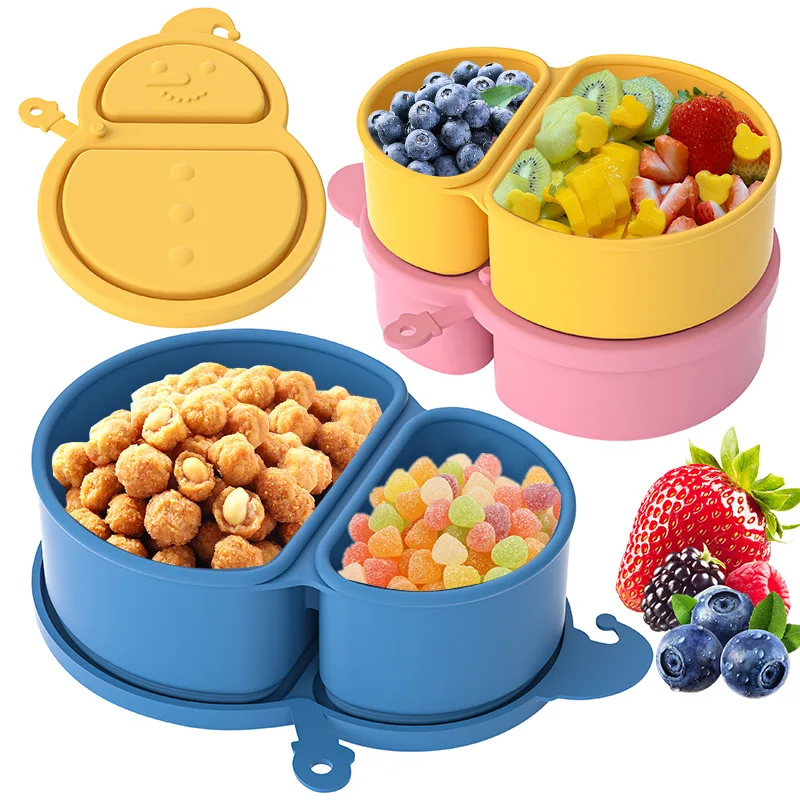
The complexity of bulk sourcing decisions requires systematic evaluation of material composition, manufacturing standards, functional design elements, and regulatory compliance factors. Professional buyers must balance immediate cost considerations against long-term durability, safety standards, and market acceptance criteria. This comprehensive assessment framework ensures that procured silicone tableware meets operational requirements while providing sustainable value across extended commercial use cycles.
Material Quality and Safety Certifications
Food-Grade Silicone Composition Standards
The foundation of reliable silicone tableware begins with platinum-cured food-grade silicone that meets international safety standards for direct food contact applications. Premium silicone tableware utilizes medical-grade silicone compounds that resist degradation under temperature extremes, maintain structural integrity through repeated use cycles, and prevent chemical migration into food products. The molecular stability of high-quality silicone ensures consistent performance characteristics across diverse commercial environments.
Temperature resistance specifications represent critical performance indicators for commercial silicone tableware applications. Quality products demonstrate stable performance from -40°F to 450°F, enabling safe use in microwave heating, freezer storage, and dishwasher cleaning cycles. This temperature range capability eliminates operational restrictions and reduces replacement frequency in high-volume commercial settings.
Chemical resistance properties determine the longevity and safety of silicone tableware under commercial use conditions. Premium formulations resist staining from acidic foods, prevent odor absorption from strong flavors, and maintain surface integrity against cleaning chemicals and sanitizing agents commonly used in commercial foodservice operations.
Regulatory Compliance Requirements
FDA approval for food contact applications provides essential legal compliance for silicone tableware used in commercial food service operations. Valid FDA certifications demonstrate that materials meet stringent migration limits for chemical substances and maintain safety standards under normal use conditions. European LFGB certification offers additional validation for international markets and export applications.
BPA-free and phthalate-free formulations address growing consumer health concerns and regulatory requirements in multiple jurisdictions. Quality silicone tableware manufacturers provide comprehensive testing documentation that verifies the absence of harmful chemicals throughout the product lifecycle. These certifications become increasingly important for institutional buyers serving health-conscious consumer segments.
CPSIA compliance ensures that silicone tableware meets safety standards for children's products when applicable. This certification becomes critical for educational institutions, childcare facilities, and family-oriented commercial establishments that require verified safety standards for younger users.
Durability and Performance Characteristics
Structural Integrity Under Commercial Use
Tear resistance specifications determine the practical lifespan of silicone tableware under high-volume commercial conditions. Premium products demonstrate superior elasticity that prevents cracking, splitting, or permanent deformation during normal handling, cleaning, and storage operations. The molecular cross-linking in quality silicone creates resilient material properties that maintain functionality through thousands of use cycles.
Compression set resistance indicates how well silicone tableware maintains its original shape after repeated compression or deformation. This characteristic proves essential for stackable designs, flexible containers, and collapsible products that must return to their intended form after mechanical stress. Commercial operations benefit from consistent product dimensions that ensure proper storage, display, and functional performance.
Surface durability affects both aesthetic appearance and hygienic performance throughout the product lifecycle. Quality silicone tableware resists scratching, maintains smooth surfaces that prevent bacterial accumulation, and retains color stability under UV exposure and repeated cleaning cycles. These properties directly impact maintenance requirements and replacement schedules in commercial environments.
Cleaning and Maintenance Efficiency
Non-stick surface properties reduce cleaning time and chemical requirements while improving operational efficiency in commercial kitchens. Premium silicone tableware features inherent release characteristics that prevent food adhesion and simplify washing procedures. This reduces labor costs and minimizes the need for aggressive cleaning agents that could damage product surfaces or create environmental concerns.
Dishwasher compatibility specifications ensure that silicone tableware can withstand commercial dishwashing equipment temperatures, chemical sanitizers, and mechanical action without degradation. Products designed for commercial use maintain structural integrity and surface properties through high-temperature wash cycles that exceed residential dishwasher capabilities.
Stain resistance properties maintain aesthetic appeal and hygienic standards throughout extended use periods. Quality silicone formulations prevent permanent discoloration from common food substances and maintain professional appearance standards required in customer-facing applications. This reduces replacement frequency and maintains brand image consistency.
Design Features for Commercial Applications
Functional Design Elements
Ergonomic considerations in silicone tableware design affect user satisfaction and operational efficiency in commercial settings. Well-designed products incorporate comfortable grip surfaces, appropriate weight distribution, and intuitive handling characteristics that reduce user fatigue during extended service periods. These design elements become particularly important in high-volume foodservice operations where staff handle products repeatedly throughout shifts.
Stackability and storage efficiency features optimize space utilization in commercial storage areas and service stations. Thoughtful design includes nesting capabilities, uniform dimensions for consistent stacking, and stable base configurations that prevent tipping or sliding during storage and transport. Efficient storage characteristics reduce facility space requirements and improve operational organization.
Portion control accuracy enables precise serving sizes that support cost management and nutritional consistency in commercial food operations. Silicone tableware with clearly defined volume measurements, consistent capacity specifications, and reliable portion indicators help control food costs while meeting regulatory requirements for nutritional labeling and serving size compliance.
Aesthetic and Branding Considerations
Color stability and customization options allow commercial operators to maintain brand consistency and aesthetic standards throughout their silicone tableware inventory. Quality products retain vibrant colors without fading, support custom color matching for brand alignment, and offer consistent appearance across product lines. Professional presentation standards require reliable aesthetic performance that maintains appeal throughout the product lifecycle.
Surface finish quality affects both visual appeal and functional performance in commercial applications. Premium silicone tableware features consistent texture, smooth edges without sharp points or rough areas, and professional-grade finishing that meets customer-facing service standards. Attention to finish details demonstrates manufacturing quality and supports premium market positioning.
Logo and branding compatibility enables custom marking and identification features that support inventory management and brand promotion objectives. Quality silicone tableware accommodates various marking techniques including embossing, printing, and molded-in identification features that maintain durability through commercial use and cleaning cycles.
Manufacturing Quality and Consistency
Production Process Standards
Injection molding precision determines dimensional accuracy and consistency across bulk orders of silicone tableware products. Advanced manufacturing facilities utilize computer-controlled processes that maintain tight tolerances, ensure uniform wall thickness, and eliminate defects that could compromise performance or safety. Consistent manufacturing standards become critical when sourcing large quantities that must maintain identical specifications.
Quality control protocols throughout the manufacturing process ensure that every piece of silicone tableware meets established specifications before shipment. Comprehensive testing procedures include dimensional verification, material composition analysis, and functional performance validation that confirms compliance with safety and performance standards. Rigorous quality systems reduce defect rates and minimize field failures that could disrupt commercial operations.
Traceability systems enable manufacturers to track material sources, production batches, and quality test results for each shipment of silicone tableware. This documentation supports regulatory compliance requirements, facilitates recall procedures if necessary, and provides accountability for performance claims. Professional buyers require comprehensive documentation that demonstrates manufacturing oversight and quality assurance.
Supply Chain Reliability
Manufacturing capacity and scalability determine a supplier's ability to meet bulk order requirements and accommodate future growth in silicone tableware demand. Established manufacturers maintain adequate production capacity, backup equipment, and trained workforce to ensure consistent delivery schedules. Supply chain stability becomes essential for commercial operations that depend on reliable product availability.
Lead time consistency and delivery reliability affect inventory planning and operational continuity for bulk purchasers of silicone tableware. Professional suppliers provide accurate production schedules, maintain realistic lead times, and communicate proactively about any potential delays or capacity constraints. Predictable delivery performance enables effective inventory management and reduces operational disruptions.
Technical support capabilities provide ongoing assistance with product specifications, application guidance, and troubleshooting support throughout the commercial relationship. Quality suppliers offer knowledgeable technical staff, comprehensive product documentation, and responsive customer service that addresses operational questions and concerns. This support infrastructure adds value beyond the initial product purchase.
Cost Factors and Value Analysis
Total Cost of Ownership Considerations
Initial purchase price represents only one component of the total cost equation when sourcing silicone tableware for commercial applications. Comprehensive cost analysis includes durability-based replacement frequency, maintenance requirements, cleaning efficiency, and operational impact on labor costs. Premium products often demonstrate superior value through extended service life and reduced operational costs.
Lifecycle cost modeling helps buyers evaluate different silicone tableware options based on projected use patterns, replacement schedules, and maintenance requirements. Quality products typically offer lower total cost of ownership despite higher initial investment through improved durability, reduced replacement frequency, and enhanced operational efficiency. Professional procurement decisions require long-term cost perspective rather than initial price focus.
Operational efficiency gains from superior silicone tableware design and performance can offset higher purchase costs through reduced labor requirements, improved customer satisfaction, and decreased maintenance needs. Features such as enhanced cleaning efficiency, improved durability, and better functional performance contribute measurable value in commercial operations.
Volume Pricing and Contract Terms
Quantity break structures reward bulk purchasing with progressive price reductions that improve cost efficiency for large-scale silicone tableware procurement. Professional suppliers offer transparent pricing tiers, clear minimum order quantities, and volume incentives that support budget planning and procurement optimization. Understanding pricing structures enables strategic purchasing decisions that maximize value.
Contract terms and payment conditions affect cash flow management and procurement risk in bulk silicone tableware purchases. Favorable terms include reasonable payment schedules, quality guarantees, and performance warranties that protect buyer interests while enabling supplier relationship development. Professional contracts balance cost objectives with risk management requirements.
Value-added services such as custom packaging, inventory management, and technical support enhance the overall procurement relationship beyond basic product supply. Suppliers who offer comprehensive service packages can provide additional value that justifies premium pricing while reducing buyer administrative requirements and operational complexity.
FAQ
What certifications should I require for commercial silicone tableware purchases?
Require FDA approval for food contact, BPA-free certification, and LFGB compliance for European markets. Additionally, ensure the supplier provides documentation for temperature resistance testing, chemical migration testing, and material composition verification. CPSIA compliance becomes necessary if the products will be used by children under 12 years old.
How do I evaluate the durability of silicone tableware before bulk ordering?
Request sample products for testing under your specific use conditions, including repeated dishwasher cycles, temperature extremes, and typical handling stress. Evaluate tear resistance, compression set recovery, and surface durability over extended test periods. Quality suppliers provide durability specifications and test data that demonstrate performance under commercial use conditions.
What factors affect the total cost of ownership for commercial silicone tableware?
Consider replacement frequency based on durability, cleaning efficiency that affects labor costs, energy consumption during cleaning cycles, and storage space requirements. Premium products often provide lower total costs through extended lifespan, reduced maintenance needs, and improved operational efficiency despite higher initial purchase prices.
How important is supplier manufacturing capacity when sourcing silicone tableware in bulk?
Manufacturing capacity directly impacts delivery reliability, quality consistency, and ability to accommodate future orders. Evaluate production facilities, backup equipment availability, and workforce stability to ensure consistent supply capability. Suppliers with adequate capacity provide better delivery performance and maintain quality standards during peak demand periods.
Table of Contents
- Material Quality and Safety Certifications
- Durability and Performance Characteristics
- Design Features for Commercial Applications
- Manufacturing Quality and Consistency
- Cost Factors and Value Analysis
-
FAQ
- What certifications should I require for commercial silicone tableware purchases?
- How do I evaluate the durability of silicone tableware before bulk ordering?
- What factors affect the total cost of ownership for commercial silicone tableware?
- How important is supplier manufacturing capacity when sourcing silicone tableware in bulk?