
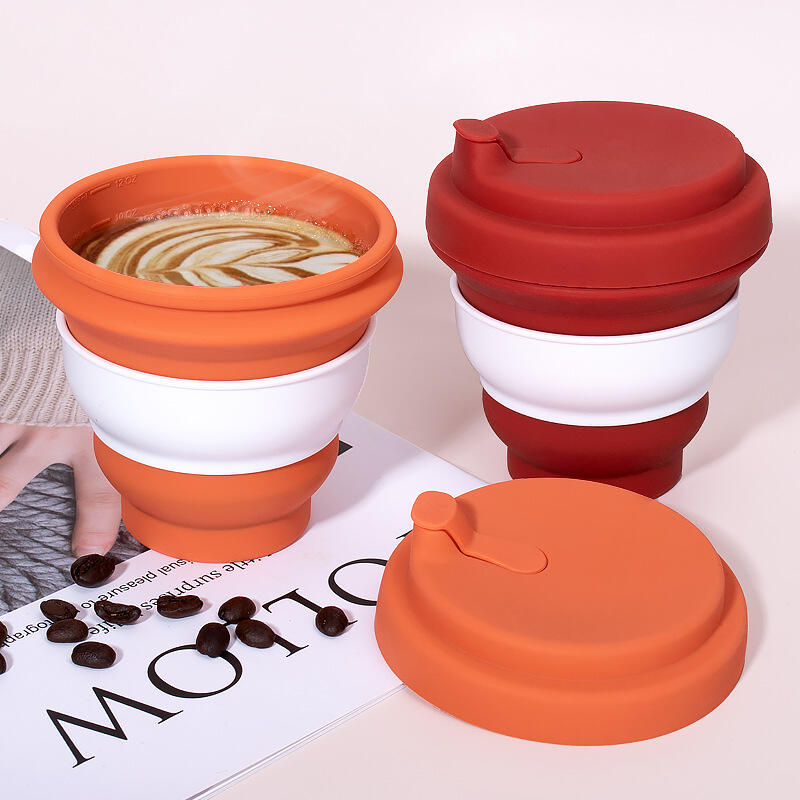
Food service environments face constant challenges with broken dishes, cracked plates, and shattered glassware that create safety hazards, increase replacement costs, and disrupt operations. The inherent flexibility and durability of silicone tableware offers a revolutionary solution to these persistent breakage problems that plague restaurants, cafeterias, healthcare facilities, and institutional kitchens worldwide.
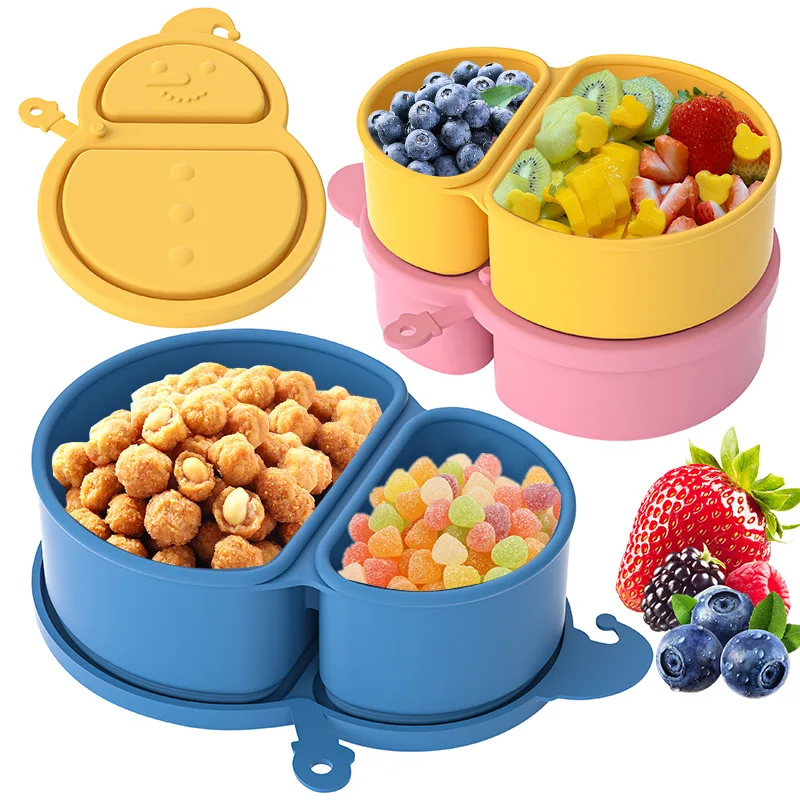
Understanding how silicone tableware reduces breakage requires examining the unique material properties that make it virtually unbreakable compared to traditional ceramic, glass, or melamine alternatives. The molecular structure of food-grade silicone creates exceptional impact resistance while maintaining the functionality and appearance that food service operations demand for professional presentation and customer satisfaction.
Material Science Behind Silicone Tableware Durability
Molecular Structure and Flexibility
The fundamental reason silicone tableware resists breakage lies in its unique molecular composition of silicon-oxygen bonds that create extraordinary flexibility. Unlike rigid ceramic or glass materials that crack under stress, silicone maintains its structural integrity through elastic deformation that absorbs impact energy rather than fracturing. This molecular flexibility allows silicone tableware to bend, twist, and compress without permanent damage or structural failure.
The cross-linked polymer chains in high-quality silicone tableware create a three-dimensional network that distributes stress evenly across the entire surface area. When dropped or subjected to impact forces, the material deforms temporarily before returning to its original shape, effectively dissipating the energy that would cause traditional tableware to crack or shatter completely.
Temperature stability further enhances the durability of silicone tableware in food service environments where thermal shock from hot foods or dishwashing cycles can cause traditional materials to weaken and fail. The stable molecular structure maintains consistent flexibility across temperature ranges from freezing to high heat, preventing the brittleness that makes conventional tableware susceptible to breakage during normal operations.
Impact Absorption Mechanisms
Silicone tableware reduces breakage through sophisticated impact absorption mechanisms that fundamentally differ from rigid material responses. The viscoelastic properties of silicone allow it to absorb kinetic energy through controlled deformation rather than brittle failure, creating a natural shock absorption system that protects both the tableware and surrounding surfaces from damage.
The material density and Shore hardness of properly formulated silicone tableware create optimal impact resistance for food service applications. This engineered balance provides sufficient structural integrity for normal use while maintaining enough flexibility to handle accidental drops, collisions, and the inevitable rough handling that occurs in busy kitchen and dining environments.
Advanced silicone formulations incorporate specific additives and curing processes that enhance impact resistance without compromising food safety or aesthetic qualities. These technical improvements result in silicone tableware that can withstand repeated impacts that would destroy traditional alternatives, significantly reducing replacement costs and operational disruptions in food service settings.
Operational Benefits in Food Service Environments
Cost Reduction Through Decreased Replacement Needs
Food service operations experience substantial cost savings when implementing silicone tableware due to dramatically reduced breakage rates compared to traditional materials. The initial investment in quality silicone tableware typically recovers within months through eliminated replacement costs, reduced waste disposal fees, and decreased labor time spent cleaning up broken items and managing inventory replacements.
Commercial kitchens and dining facilities often lose significant amounts of tableware monthly due to breakage during washing, serving, and clearing operations. Silicone tableware virtually eliminates these losses, allowing food service managers to predict and control tableware costs with greater accuracy while reducing the administrative burden of constant reordering and inventory management.
The extended lifespan of silicone tableware creates additional value through reduced packaging waste, lower shipping costs, and decreased storage space requirements for replacement inventory. These secondary benefits compound the primary cost savings from reduced breakage, creating a comprehensive economic advantage that improves overall operational efficiency in food service environments.
Safety Improvements and Risk Reduction
Silicone tableware significantly reduces safety risks associated with broken ceramics, glass shards, and plastic fragments that pose injury hazards to staff and customers in food service environments. The elimination of sharp breakage eliminates cut risks during handling, cleaning, and disposal processes that represent significant liability concerns for food service operators.
Kitchen staff experience reduced stress and improved productivity when using silicone tableware because they can focus on food preparation and service without constantly worrying about careful handling to prevent breakage. This psychological benefit translates into more efficient operations, reduced training time for new employees, and lower insurance costs related to workplace injuries from broken tableware.
Food safety improvements result from eliminating the risk of ceramic chips, glass fragments, or plastic pieces contaminating food during preparation or service. The intact surface integrity of silicone tableware maintains proper sanitation standards while providing peace of mind that accidental damage will not create foreign object contamination in served meals.
Durability Performance in High-Stress Applications
Commercial Dishwashing Resistance
Commercial dishwashing systems subject tableware to extreme conditions including high-pressure water jets, caustic cleaning chemicals, and rapid temperature changes that cause traditional materials to weaken and eventually fail. Silicone tableware demonstrates exceptional resistance to these harsh conditions, maintaining structural integrity and surface quality through thousands of washing cycles without degradation or increased breakage susceptibility.
The chemical inertness of properly formulated silicone tableware prevents deterioration from repeated exposure to commercial detergents, sanitizers, and rinse aids that gradually weaken other materials. This chemical resistance ensures that silicone tableware maintains its impact resistance throughout its service life rather than becoming increasingly brittle and prone to breakage over time.
High-temperature dishwashing cycles that can cause thermal shock in ceramic and glass tableware have no adverse effects on silicone materials. The thermal stability allows silicone tableware to transition from freezer temperatures to commercial dishwasher heat without developing stress fractures or weakened areas that would eventually lead to failure during normal handling.
Heavy-Duty Service Applications
Institutional food service environments such as hospitals, schools, and correctional facilities present unique challenges where tableware must withstand intentional abuse, frequent dropping, and rough handling by users who may not exercise normal care. Silicone tableware excels in these demanding applications by absorbing impacts that would immediately destroy traditional alternatives while maintaining professional appearance and functionality.
The lightweight nature of silicone tableware reduces impact forces during drops compared to heavier ceramic or glass alternatives, further decreasing the likelihood of damage to both the tableware and surrounding surfaces. This weight advantage becomes particularly important in healthcare settings where patients with limited dexterity or mobility issues may accidentally drop items more frequently than typical restaurant patrons.
Outdoor catering and mobile food service operations benefit significantly from silicone tableware durability during transportation, setup, and service in challenging environments. The flexibility and impact resistance prevent damage during vehicle transport, wind exposure, and the inevitable bumps and collisions that occur during outdoor event service where traditional tableware would suffer high breakage rates.
Long-Term Economic Impact Analysis
Total Cost of Ownership Calculations
Comprehensive analysis of silicone tableware economics reveals substantial long-term savings that extend far beyond the obvious reduction in replacement costs from breakage prevention. Food service operators must consider the total cost of ownership including initial purchase price, replacement frequency, labor costs for breakage cleanup, waste disposal fees, and inventory management expenses when comparing silicone tableware to traditional alternatives.
The extended service life of silicone tableware creates predictable depreciation schedules that improve financial planning and budgeting accuracy for food service operations. Unlike traditional tableware that suffers unpredictable breakage spikes during busy periods or staff changes, silicone tableware provides consistent performance that allows managers to forecast expenses and allocate resources more effectively.
Reduced insurance premiums and liability exposure represent additional financial benefits as insurance providers recognize the decreased risk of injury and property damage associated with unbreakable silicone tableware. These secondary cost reductions contribute to the overall economic advantage while improving the risk profile of food service operations for insurance underwriting purposes.
Operational Efficiency Improvements
The elimination of breakage-related disruptions allows food service operations to maintain consistent service flow without interruptions for cleanup, replacement, or safety procedures required when traditional tableware fails. This operational continuity translates into improved customer satisfaction, reduced service delays, and better staff productivity during peak service periods when efficiency is most critical.
Staff training time decreases significantly when using silicone tableware because employees no longer require extensive instruction on careful handling techniques, special stacking procedures, or breakage prevention protocols. New employees can focus on core job responsibilities rather than learning complex tableware management skills, reducing training costs and improving job performance consistency.
Inventory management simplification results from the predictable lifespan and minimal loss rates of silicone tableware compared to the constant monitoring and frequent reordering required for breakage-prone alternatives. This administrative efficiency improvement reduces labor costs while freeing management time for revenue-generating activities rather than routine tableware replacement logistics.
FAQ
Does silicone tableware completely eliminate all breakage in food service?
While silicone tableware dramatically reduces breakage compared to traditional materials, it does not completely eliminate all potential damage. Extreme abuse, sharp cuts, or chemical exposure beyond normal food service conditions can eventually cause damage, but typical dropping, impacts, and commercial dishwashing will not break properly manufactured silicone tableware under normal operational conditions.
How does the initial cost of silicone tableware compare to traditional options?
Silicone tableware typically has a higher initial purchase price than ceramic or melamine alternatives, but the total cost of ownership becomes significantly lower due to reduced replacement needs. Most food service operations recover the additional initial investment within 6-12 months through eliminated breakage replacement costs and reduced operational disruptions.
Can silicone tableware maintain professional appearance standards in upscale restaurants?
Modern silicone tableware manufacturing produces items with sophisticated designs, elegant finishes, and professional aesthetics that meet upscale dining standards. Advanced molding techniques and surface treatments create silicone tableware that rivals traditional materials in visual appeal while providing superior durability performance for high-end food service applications.
What temperature ranges can silicone tableware handle in food service applications?
Quality food-grade silicone tableware operates safely from freezer temperatures around -40°F to oven-safe temperatures up to 450°F, covering all typical food service temperature requirements. This wide temperature tolerance prevents thermal shock damage that causes traditional materials to crack or shatter during normal kitchen operations and commercial dishwashing cycles.
Table of Contents
- Material Science Behind Silicone Tableware Durability
- Operational Benefits in Food Service Environments
- Durability Performance in High-Stress Applications
- Long-Term Economic Impact Analysis
-
FAQ
- Does silicone tableware completely eliminate all breakage in food service?
- How does the initial cost of silicone tableware compare to traditional options?
- Can silicone tableware maintain professional appearance standards in upscale restaurants?
- What temperature ranges can silicone tableware handle in food service applications?