
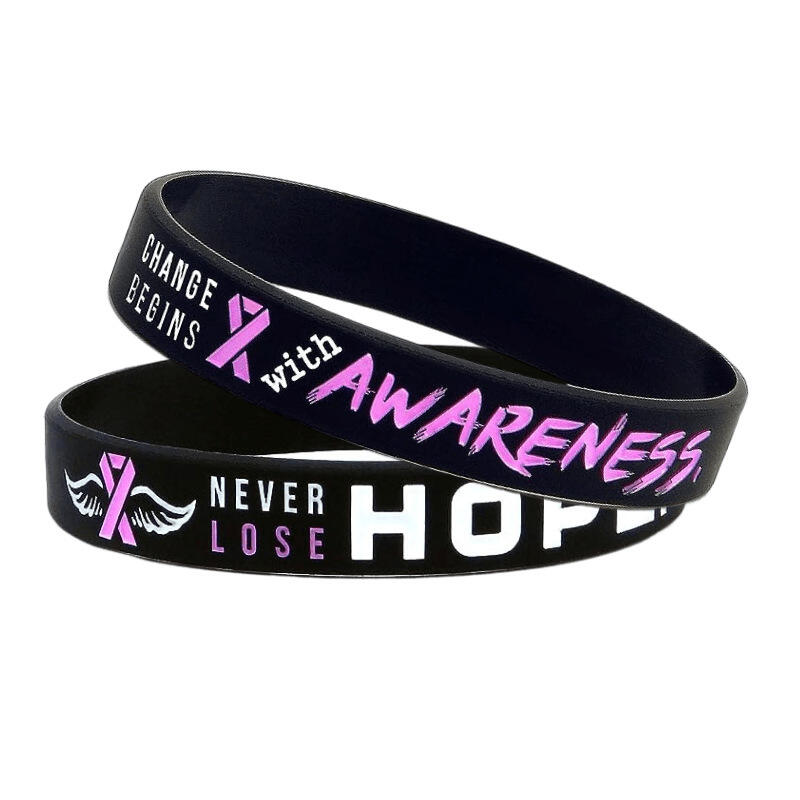
Color accuracy in custom silicone wristbands represents one of the most critical aspects of manufacturing quality control and brand consistency. When organizations invest in promotional products or identification accessories, precise color matching ensures their brand identity remains intact across all marketing materials. Understanding the various color matching standards that apply to silicone manufacturing helps buyers make informed decisions and establish clear expectations with manufacturers.
The silicone wristband industry has evolved significantly over the past two decades, with manufacturers developing sophisticated color matching protocols to meet increasing customer demands. Modern production facilities utilize advanced spectrophotometry equipment and standardized color reference systems to achieve consistent results across large production runs. These technological improvements have made it possible to reproduce complex brand colors with remarkable accuracy.
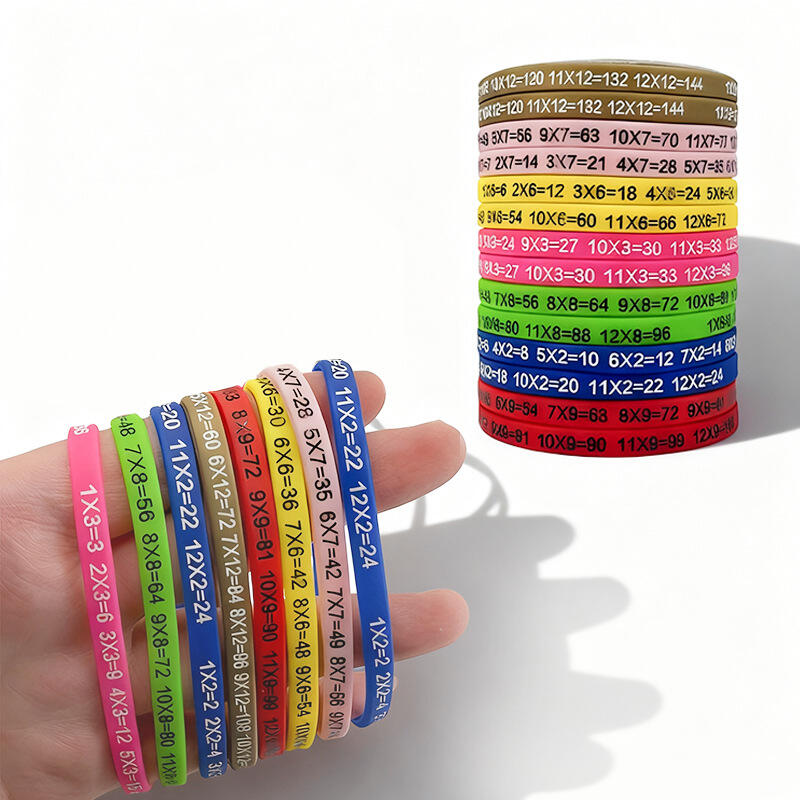
Professional manufacturers understand that color matching extends beyond simple visual comparison. The process involves scientific measurement, material chemistry considerations, and quality control procedures that ensure every batch meets established specifications. This comprehensive approach to color management has become essential for maintaining competitive advantage in the promotional products industry.
Pantone Color Matching System Standards
Understanding Pantone Integration in Silicone Manufacturing
The Pantone Color Matching System serves as the global standard for color specification in custom silicone wristbands production. This standardized system provides manufacturers with precise color formulations that can be replicated consistently across different production runs and facilities. Pantone colors offer the advantage of universal recognition, allowing customers to specify exact colors without ambiguity.
Silicone manufacturers typically maintain extensive Pantone color libraries, with popular colors kept in stock for immediate production. The most commonly requested Pantone colors for wristbands include classic blues, reds, and corporate colors that align with established brand guidelines. When customers provide Pantone color specifications, manufacturers can achieve color accuracy within acceptable tolerance ranges.
However, translating Pantone colors to silicone materials requires expertise in material science and color chemistry. The opacity and translucency characteristics of silicone can affect how colors appear compared to printed materials. Experienced manufacturers account for these material properties when formulating custom colors for custom silicone wristbands production.
Pantone Color Tolerance Standards
Professional silicone manufacturers typically work within Delta E color difference measurements of 2.0 or less when matching Pantone colors. This tolerance level represents the threshold where color differences become barely perceptible to the human eye under standard lighting conditions. Achieving this level of accuracy requires precise pigment measurement and controlled mixing procedures.
The tolerance standards may vary depending on the specific color family and customer requirements. Darker colors and earth tones generally offer more forgiving tolerance ranges, while bright colors and pastels require tighter control for acceptable matching. Manufacturers often establish color approval processes that include physical samples to ensure customer satisfaction before full production begins.
Quality control procedures include regular calibration of color measurement equipment and maintenance of controlled lighting environments for visual color evaluation. These standards help ensure that custom silicone wristbands maintain consistent color quality throughout the manufacturing process.
RAL Color System Applications
European Color Standards in Silicone Production
The RAL color system, widely used in European markets, provides another important standard for custom silicone wristbands manufacturing. This system offers a comprehensive range of colors with precise specifications that manufacturers can reference for accurate color matching. RAL colors are particularly popular for industrial applications and corporate branding in European markets.
RAL Classic colors include 213 standardized colors that have been used across various industries for decades. The system's longevity and widespread adoption make it a reliable choice for organizations requiring consistent color reproduction across different materials and applications. Silicone manufacturers who serve European markets typically maintain RAL color capabilities alongside their Pantone systems.
The conversion between RAL and other color systems requires careful attention to ensure accuracy. While approximate conversions exist, manufacturers often recommend working with native RAL references when possible to avoid color shifting that can occur during system translations. This approach helps maintain the integrity of brand colors in custom silicone wristbands production.
RAL Color Matching Procedures
Implementing RAL color standards requires specialized equipment and trained technicians who understand the nuances of the RAL system. Manufacturers utilize spectrophotometers calibrated specifically for RAL color measurement to ensure accurate color reproduction. The process involves creating color formulations that account for the unique properties of silicone materials.
Quality assurance procedures for RAL color matching include batch testing and documentation of color measurements throughout production. This systematic approach helps identify potential color variations early in the manufacturing process, allowing for corrections before completing large orders of custom silicone wristbands.
Documentation standards typically include color measurement data, lighting conditions, and visual assessment results. This comprehensive record-keeping enables manufacturers to replicate successful color matches for repeat orders and troubleshoot any color consistency issues that may arise.
Custom Color Development Processes
Proprietary Color Matching Techniques
Many manufacturers of custom silicone wristbands offer proprietary color matching services that go beyond standard color systems. These services involve creating unique color formulations based on customer-provided samples or specific requirements. The process requires extensive color chemistry knowledge and sophisticated mixing capabilities.
Custom color development begins with detailed analysis of the target color using advanced spectrophotometric equipment. Technicians evaluate the color across multiple light sources to understand how it will appear under different conditions. This analysis forms the foundation for creating accurate color formulations using available pigments and additives.
The iterative nature of custom color development often requires multiple sample rounds to achieve acceptable results. Manufacturers typically produce small test batches to verify color accuracy before proceeding with full production. This approach minimizes material waste and ensures customer satisfaction with the final product quality.
Material Considerations in Color Matching
The unique properties of silicone materials present specific challenges in color matching that manufacturers must address through specialized techniques. Silicone's molecular structure affects how pigments disperse and how colors appear under different lighting conditions. Understanding these material characteristics is essential for achieving consistent color reproduction.
Pigment selection plays a crucial role in color stability and durability of custom silicone wristbands. Organic and inorganic pigments behave differently in silicone matrices, with some colors requiring special additives to maintain stability over time. Manufacturers must balance color accuracy with long-term performance requirements.
Surface finish effects also influence color appearance in silicone products. Matte and glossy finishes can significantly alter how colors are perceived, requiring adjustments to pigment formulations to achieve desired visual results. Experienced manufacturers account for these factors during the color development process.
Quality Control and Testing Standards
Spectrophotometric Color Measurement
Professional manufacturers employ sophisticated spectrophotometric equipment to ensure accurate color measurement and consistency in custom silicone wristbands production. These instruments provide objective color data that eliminates subjective visual assessment variations. Regular calibration and maintenance of measurement equipment ensures reliable results throughout production.
Color measurement protocols typically include multiple readings across different areas of sample products to account for potential variations in pigment distribution. Statistical analysis of measurement data helps identify trends and potential quality issues before they affect large production quantities. This systematic approach to color quality control has become standard practice in professional manufacturing facilities.
Documentation of color measurement results provides traceability and enables continuous improvement of color matching processes. Manufacturers maintain detailed records that include measurement conditions, equipment calibration status, and environmental factors that might influence color accuracy. This data supports quality certifications and customer confidence in product consistency.
Environmental Testing for Color Stability
Color stability testing ensures that custom silicone wristbands maintain their appearance throughout their intended service life. Environmental factors such as UV exposure, temperature variations, and chemical contact can affect color integrity over time. Manufacturers conduct accelerated aging tests to evaluate color fastness under simulated real-world conditions.
Standard test protocols include exposure to controlled UV radiation, elevated temperatures, and chemical solutions that simulate typical wear conditions. Color measurements before and after testing quantify any color changes and help predict long-term performance. These tests are particularly important for outdoor applications where UV exposure is significant.
Results from environmental testing inform pigment selection and formulation decisions for different applications. Colors that demonstrate superior stability may command premium pricing but offer better long-term value for customers requiring durable custom silicone wristbands. This testing data helps manufacturers provide accurate performance expectations to their customers.
Industry Compliance and Certification Requirements
Medical and Safety Standards
Custom silicone wristbands intended for medical or safety applications must comply with specific color standards and certification requirements. Medical device regulations often specify color accuracy tolerances and pigment safety requirements that exceed general commercial standards. Manufacturers serving these markets maintain specialized certification and testing capabilities.
Biocompatibility testing ensures that pigments and additives used in color formulations do not cause adverse reactions when in contact with human skin. This testing is particularly important for custom silicone wristbands worn continuously or by individuals with sensitive skin conditions. Certified manufacturers maintain documentation of material safety and biocompatibility test results.
Traceability requirements in regulated industries demand detailed documentation of all materials used in production, including specific pigment lot numbers and certification data. This level of documentation enables rapid response to any safety concerns and supports product recalls if necessary. Manufacturers serving regulated markets invest heavily in quality management systems that support these requirements.
Environmental and Sustainability Certifications
Growing environmental consciousness has led to increased demand for sustainable manufacturing practices in custom silicone wristbands production. Environmental certifications often include requirements for pigment sourcing, waste management, and energy consumption in manufacturing processes. These certifications demonstrate manufacturer commitment to responsible production practices.
Sustainable pigment options include those derived from renewable sources or manufactured using environmentally friendly processes. While these alternatives may present color matching challenges, they align with corporate sustainability goals and regulatory trends toward reduced environmental impact. Forward-thinking manufacturers invest in developing sustainable color options for environmentally conscious customers.
Life cycle assessment considerations include the environmental impact of pigment production, manufacturing energy consumption, and end-of-life disposal options. Manufacturers that provide comprehensive environmental data help customers make informed decisions about product sourcing and support corporate sustainability reporting requirements.
FAQ
What is the typical color matching tolerance for custom silicone wristbands?
Most professional manufacturers maintain color matching tolerances within Delta E 2.0 or less, which represents barely perceptible color differences under standard lighting conditions. This tolerance level ensures that custom silicone wristbands closely match specified colors while accounting for the inherent properties of silicone materials. Tighter tolerances may be available for critical applications but typically require additional testing and quality control measures.
How long does custom color development take for silicone wristbands?
Custom color development typically requires 3-7 business days depending on the complexity of the color requirements and manufacturer capabilities. Simple color matches to existing standards may be completed more quickly, while complex custom formulations require additional testing and refinement. Manufacturers often provide expedited services for urgent projects, though this may involve additional costs for priority processing.
Can Pantone colors be exactly matched in silicone materials?
While exact Pantone color matches are the goal, silicone materials have unique optical properties that can affect color appearance compared to printed references. Professional manufacturers achieve very close approximations within industry-standard tolerances, but slight variations may occur due to material characteristics. Sample approval processes help ensure customer satisfaction with color accuracy before full production begins.
What factors affect color consistency across large production runs?
Several factors influence color consistency including raw material variations, mixing procedures, curing conditions, and environmental factors during production. Professional manufacturers implement strict quality control procedures including batch testing, equipment calibration, and environmental controls to minimize variations. Documentation and statistical process control help identify and correct potential issues before they affect product quality in custom silicone wristbands manufacturing.