
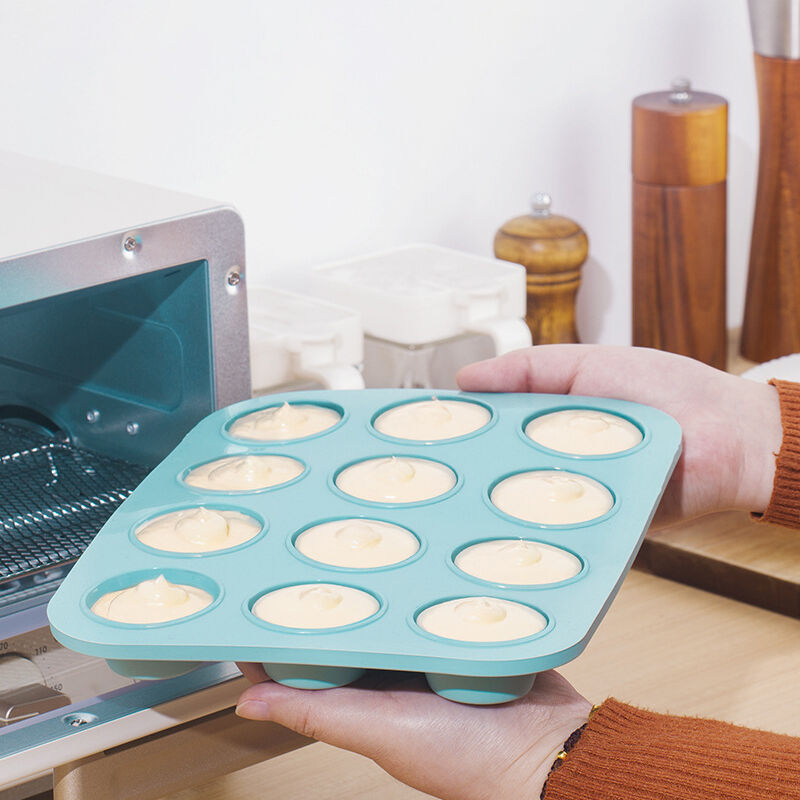
Understanding material hardness levels in soap mold silicone production is essential for creating molds that balance durability, flexibility, and demolding ease. The hardness of silicone materials directly impacts the performance characteristics of soap molds, affecting everything from detail reproduction to the lifespan of the mold itself. Different hardness levels serve specific purposes in soap making applications, with each range offering distinct advantages for particular soap formulations and production requirements.
The selection of appropriate hardness levels for soap mold silicone involves careful consideration of soap chemistry, mold geometry, and production volume requirements. Professional soap makers and manufacturers rely on specific Shore hardness measurements to ensure their silicone molds deliver consistent results while maintaining structural integrity throughout extended production cycles. These hardness specifications determine how effectively the mold material can capture intricate details, resist deformation under pressure, and facilitate smooth soap release.
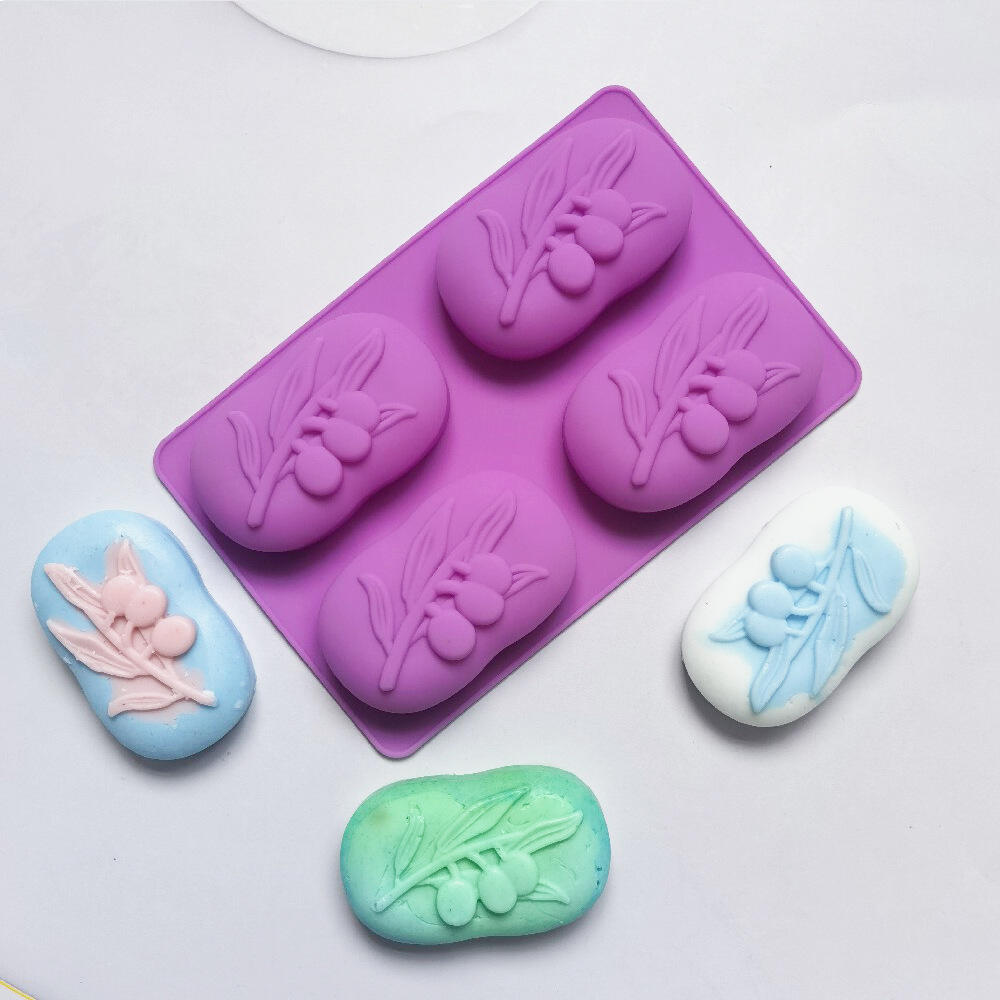
Shore A Hardness Scale Applications in Soap Mold Silicone
Understanding Shore A Measurement Standards
The Shore A durometer scale serves as the industry standard for measuring soap mold silicone hardness, ranging from 0 to 100 units. This measurement system quantifies the resistance of silicone materials to indentation under standardized testing conditions. For soap mold silicone applications, most materials fall within the 10 to 50 Shore A range, with specific hardness levels chosen based on the intended soap making application and required mold performance characteristics.
Shore A hardness measurements provide soap makers with reliable data for selecting appropriate silicone materials that will perform consistently in their production environment. The standardized testing methodology ensures that hardness specifications from different suppliers can be directly compared, enabling informed material selection decisions. Understanding these measurements helps soap makers predict how their chosen soap mold silicone will behave during casting, curing, and demolding processes.
Hardness Range Classifications for Soap Applications
Soap mold silicone materials are typically classified into distinct hardness ranges, each offering specific performance benefits for different soap making scenarios. Soft silicones, measuring between 10-20 Shore A, provide exceptional flexibility and are ideal for complex geometries or delicate soap designs. Medium hardness silicones, ranging from 25-35 Shore A, offer balanced performance for general soap making applications, combining adequate flexibility with structural stability.
Harder soap mold silicone formulations, measuring 40-50 Shore A, deliver superior dimensional stability and extended service life for high-volume production environments. These harder materials resist deformation under the weight of soap mixtures and maintain precise dimensional accuracy throughout multiple production cycles. The choice between these hardness ranges depends on specific soap formulations, mold complexity, and production volume requirements that define each soap making operation.
Optimal Hardness Levels for Different Soap Types
Cold Process Soap Mold Requirements
Cold process soap production requires soap mold silicone with hardness levels typically ranging from 20-30 Shore A to accommodate the chemical reactions and heat generation that occur during saponification. This hardness range provides sufficient flexibility to handle the expansion and contraction that occurs as soap mixtures cure while maintaining structural integrity to prevent mold distortion. The moderate hardness also facilitates easy demolding once the soap has reached appropriate firmness levels.
The alkaline nature of cold process soap mixtures places specific demands on soap mold silicone materials, requiring hardness levels that resist chemical degradation while maintaining flexibility. Silicone materials within this hardness range demonstrate excellent chemical resistance to caustic soap ingredients while providing the mechanical properties necessary for reliable mold performance. This balance ensures consistent soap production results and extended mold service life in cold process applications.
Melt and Pour Soap Considerations
Melt and pour soap applications typically utilize soap mold silicone with slightly higher hardness levels, ranging from 25-35 Shore A, to handle the thermal stress associated with pouring molten soap bases. This hardness range provides the thermal stability needed to maintain dimensional accuracy when exposed to elevated temperatures while offering sufficient flexibility for easy soap release. The increased hardness also helps prevent mold warping or distortion when filled with hot soap mixtures.
The rapid temperature changes experienced in melt and pour soap production require soap mold silicone materials that can maintain their mechanical properties across a wide temperature range. Silicones within the 25-35 Shore A hardness range demonstrate excellent thermal cycling resistance, maintaining consistent performance through repeated heating and cooling cycles. This durability ensures reliable mold performance and consistent soap quality throughout extended production runs.
Production Volume Impact on Hardness Selection
Low Volume Artisan Production
Artisan soap makers producing small batches often benefit from softer soap mold silicone materials in the 15-25 Shore A range, which provide maximum flexibility for creative soap designs and intricate detail reproduction. These softer materials excel at capturing fine surface textures and complex geometries while remaining easy to demold even with irregular soap shapes. The enhanced flexibility also reduces the risk of soap damage during removal, particularly important for artistic or decorative soap products.
Lower hardness soap mold silicone materials offer artisan producers the versatility needed for experimental soap formulations and unique design concepts. The increased flexibility accommodates variations in soap chemistry and curing characteristics that may occur when testing new recipes or ingredients. This adaptability makes softer silicone materials ideal for creative soap making applications where design flexibility takes precedence over high-volume production efficiency.
High Volume Commercial Production
Commercial soap production facilities typically require soap mold silicone with hardness levels between 30-40 Shore A to withstand the mechanical stress of automated production systems and frequent mold handling. These harder materials provide the dimensional stability necessary for consistent soap dimensions and the durability required for extended production cycles. The increased hardness also facilitates faster demolding operations, improving overall production efficiency in commercial environments.
Higher hardness soap mold silicone materials deliver the longevity required for cost-effective commercial soap production, maintaining their performance characteristics through thousands of molding cycles. The enhanced structural stability prevents mold deformation under the weight of large soap batches and resists wear from automated handling equipment. This durability translates to lower replacement costs and reduced production downtime in high-volume manufacturing operations.
Quality Factors Influenced by Hardness Selection
Detail Reproduction Capabilities
The hardness level of soap mold silicone directly affects the ability to reproduce fine details and surface textures in finished soap products. Softer silicone materials, typically below 25 Shore A, provide superior conformability to capture intricate patterns, text, and decorative elements with exceptional fidelity. This enhanced detail reproduction capability makes softer materials ideal for decorative soaps, branded products, or artistic soap designs that require precise surface definition.
Conversely, harder soap mold silicone materials may sacrifice some detail reproduction capability in favor of dimensional stability and durability. While still capable of producing high-quality soap surfaces, harder materials may not capture extremely fine details as effectively as their softer counterparts. The trade-off between detail reproduction and structural stability requires careful consideration based on specific soap design requirements and production priorities.
Demolding Performance Characteristics
Demolding ease varies significantly with soap mold silicone hardness levels, with softer materials generally providing easier soap release due to their increased flexibility. Silicones in the 15-25 Shore A range allow for gentle stretching and manipulation during demolding, reducing the risk of soap damage or breakage. This flexibility is particularly valuable for delicate soap designs or formulations that may be prone to cracking or surface defects during removal.
Harder soap mold silicone materials require more careful demolding techniques but offer consistent release characteristics that can be optimized through proper mold design and release agent application. The reduced flexibility of harder materials necessitates appropriate draft angles and surface treatments to ensure reliable soap release. However, the dimensional stability of harder silicones often results in more consistent demolding performance across multiple production cycles.
FAQ
What Shore A hardness is best for beginner soap makers?
Beginner soap makers should typically choose soap mold silicone with a hardness between 20-30 Shore A, as this range provides an optimal balance of flexibility for easy demolding and structural stability for consistent results. This hardness level is forgiving for learning proper demolding techniques while providing adequate durability for multiple uses as skills develop.
Can I use the same hardness silicone for both cold process and melt and pour soaps?
Yes, soap mold silicone with a hardness of 25-30 Shore A works well for both cold process and melt and pour soap applications. This hardness range provides sufficient thermal stability for melt and pour temperatures while maintaining the flexibility needed for cold process soap expansion and contraction during curing.
How does silicone hardness affect mold lifespan in commercial production?
Harder soap mold silicone materials, typically 35-45 Shore A, significantly extend mold lifespan in commercial production by resisting deformation and wear from frequent use. While softer materials may provide better detail reproduction, harder silicones can withstand thousands of molding cycles without significant performance degradation, making them more cost-effective for high-volume operations.
What hardness should I choose for highly detailed decorative soap molds?
For highly detailed decorative soap molds, choose soap mold silicone with a hardness between 15-25 Shore A to maximize detail reproduction capabilities. The increased flexibility of softer silicones allows them to conform closely to intricate patterns and surface textures, capturing fine details that harder materials might not reproduce as effectively.