

The quality of your candle-making projects depends significantly on the materials you choose, particularly when selecting silicone candle molds. Professional candle makers and hobbyists alike recognize that superior mold materials directly impact the final product's appearance, durability, and ease of production. Understanding the key material properties that distinguish premium silicone candle molds from inferior alternatives enables crafters to make informed purchasing decisions and achieve consistently exceptional results in their candle-making endeavors.
Temperature Resistance and Thermal Stability
Heat Tolerance Specifications
Premium silicone candle molds must withstand extreme temperature variations without compromising their structural integrity or dimensional accuracy. The most critical property involves continuous operating temperatures ranging from -40°F to 450°F (-40°C to 232°C), ensuring the molds remain functional whether exposed to freezing conditions during storage or high-temperature wax applications. Quality silicone formulations maintain their flexibility and shape retention across this entire temperature spectrum, preventing cracking, warping, or permanent deformation that could ruin subsequent candle productions.
Industrial-grade silicone compounds used in superior molds feature platinum-catalyzed curing systems that provide enhanced thermal stability compared to tin-catalyzed alternatives. This advanced curing process results in silicone candle molds with improved resistance to thermal cycling stress, allowing repeated heating and cooling cycles without material degradation. The molecular cross-linking structure created during platinum catalyzation produces more uniform polymer chains, contributing to consistent performance over extended periods of use.
Thermal Conductivity Properties
Effective heat transfer characteristics in silicone candle molds facilitate even cooling and proper wax solidification throughout the candle structure. Quality silicone materials exhibit controlled thermal conductivity that prevents rapid temperature changes while promoting gradual, uniform cooling from the exterior surfaces inward. This balanced thermal behavior minimizes internal stress formation within the cooling wax, reducing the likelihood of air bubbles, surface imperfections, or structural weaknesses in finished candles.
The thermal expansion coefficient of premium silicone formulations remains consistently low across operating temperature ranges, ensuring dimensional stability during temperature fluctuations. High-quality molds maintain their precise measurements and intricate detail reproduction capabilities regardless of ambient temperature variations, enabling consistent candle dimensions and surface textures batch after batch.
Chemical Composition and Purity Standards
Food-Grade Silicone Requirements
Superior silicone candle molds utilize food-grade silicone compositions that meet stringent FDA regulations and international safety standards. These materials contain no harmful fillers, plasticizers, or toxic additives that could leach into wax during the molding process or create health hazards during handling. Food-grade certification ensures the silicone undergoes rigorous testing for heavy metals, volatile organic compounds, and other potentially harmful substances.
The molecular structure of food-grade silicone features tightly cross-linked polymer chains that prevent migration of uncured silicone components or processing aids into contact surfaces. This chemical stability protects both the candle maker and end consumers from exposure to potentially harmful substances while maintaining the purity of candle wax compositions.
Catalyst System Selection
Platinum-catalyzed silicone systems represent the gold standard for high-quality silicone candle molds due to their superior purity and performance characteristics. Unlike tin-catalyzed alternatives, platinum systems produce no toxic byproducts during curing and exhibit minimal odor retention, preventing contamination of delicate candle fragrances. The platinum catalyst creates more complete cross-linking reactions, resulting in enhanced mechanical properties and longer service life.
The absence of tin compounds in platinum-catalyzed silicone candle molds eliminates potential catalytic interactions with certain wax additives or fragrance oils that could cause discoloration, premature degradation, or unwanted chemical reactions. This chemical compatibility ensures consistent results regardless of the specific wax formulations or additive packages used in candle production.
Mechanical Properties and Durability
Tensile Strength and Elasticity
High-performance silicone candle molds demonstrate exceptional tensile strength values typically ranging from 1200 to 1800 PSI, providing resistance to tearing during demolding operations. This mechanical strength becomes particularly important when working with intricate designs featuring thin walls, delicate details, or undercut geometries that create stress concentration points during candle removal. Superior elasticity allows the mold material to stretch significantly without permanent deformation, enabling easy release of complex candle shapes.
The elongation properties of quality silicone formulations typically exceed 400%, meaning the material can stretch to more than four times its original length before failure. This remarkable flexibility facilitates demolding of candles with complex geometries, deep textures, or tight tolerances while maintaining the mold's original dimensions for subsequent uses. Recovery characteristics ensure the mold returns to its precise original shape after stretching, preserving dimensional accuracy over thousands of molding cycles.
Tear Resistance and Edge Durability
Premium silicone candle molds exhibit superior tear propagation resistance, preventing small nicks or cuts from expanding into larger failures during use. This property becomes critical in production environments where molds experience frequent handling, cleaning, and storage operations that could introduce minor surface damage. High tear strength values, typically exceeding 200 pounds per linear inch, ensure minor surface imperfections do not compromise the mold's functionality or lifespan.
Edge durability characteristics prevent premature failure at mold parting lines, rim areas, or other high-stress locations where repeated flexing occurs during demolding operations. Quality silicone formulations incorporate reinforcing agents that strengthen these vulnerable areas without compromising overall flexibility or surface detail reproduction capabilities.
Surface Properties and Release Characteristics
Non-Stick Performance
Exceptional release properties distinguish premium silicone candle molds from inferior alternatives, eliminating the need for release agents or lubricants that could contaminate candle surfaces or interfere with surface treatments. The inherent non-stick characteristics of high-quality silicone result from its low surface energy, which minimizes adhesion between the mold surface and various wax formulations. This natural release capability maintains its effectiveness throughout the mold's service life without degradation or the need for special maintenance procedures.
Surface chemistry modifications in advanced silicone formulations further enhance release properties through the incorporation of specialized additives that migrate to the mold surface during curing. These additives create an ultra-smooth, low-friction interface that facilitates effortless candle removal while preserving fine surface details and textures in the finished product.
Surface Texture and Detail Reproduction
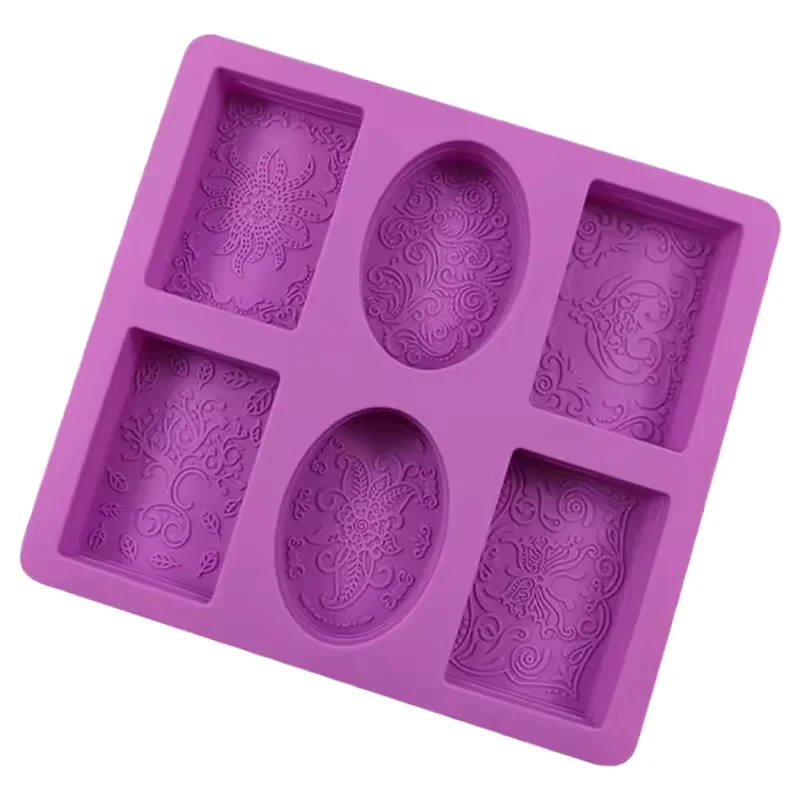
High-resolution surface reproduction capabilities enable silicone candle molds to capture and transfer intricate textures, patterns, and fine details with exceptional fidelity. Quality silicone materials flow easily into microscopic surface features during mold creation, then maintain these precise details throughout extended production runs without degradation or loss of sharpness. The material's ability to hold fine details depends on its shore hardness, with optimal ranges typically between Shore A 20 to Shore A 40 for most candle applications.
Surface smoothness characteristics directly impact the final appearance of molded candles, with premium silicone molds producing glossy, professional finishes that require minimal post-processing. The absence of surface imperfections, air bubbles, or texture irregularities in quality molds ensures consistent surface quality across all production runs.
Longevity and Service Life Factors
Resistance to Degradation
Superior silicone candle molds demonstrate exceptional resistance to environmental factors that commonly cause material degradation in industrial applications. UV radiation exposure, ozone attack, and oxidative environments have minimal impact on high-quality silicone formulations, allowing molds to maintain their properties even when stored in less-than-ideal conditions. This environmental stability ensures consistent performance whether molds are used in temperature-controlled craft rooms or variable workshop environments.
Chemical resistance properties protect silicone candle molds from degradation caused by exposure to various wax additives, fragrances, dyes, or cleaning solvents commonly used in candle production. Premium silicone materials remain unaffected by alcohols, mild acids, bases, or petroleum-based compounds, maintaining their integrity and performance characteristics throughout extended service periods.
Dimensional Stability Over Time
Long-term dimensional stability ensures silicone candle molds maintain their precise measurements and geometric accuracy throughout thousands of molding cycles. Quality materials exhibit minimal shrinkage, swelling, or distortion over time, preserving the exact dimensions and proportions required for consistent candle production. This stability becomes particularly important for commercial operations where product uniformity and dimensional consistency directly impact customer satisfaction and brand reputation.
Compression set resistance prevents permanent deformation in areas subjected to repeated stress or pressure during storage and use. Premium silicone formulations recover completely from compression loading, ensuring molds maintain their original shape and performance characteristics regardless of storage conditions or handling practices.
Quality Testing and Certification Standards
Industry Compliance Requirements
Reputable manufacturers of silicone candle molds conduct comprehensive testing to verify compliance with relevant industry standards and safety regulations. FDA approval for food contact applications ensures the silicone materials meet strict requirements for purity, migration limits, and safety under intended use conditions. European CE marking and RoHS compliance demonstrate adherence to international safety and environmental protection standards.
Third-party laboratory testing validates the performance claims and material properties specified by mold manufacturers, providing independent verification of quality standards. These tests typically include mechanical property evaluation, thermal analysis, chemical composition verification, and accelerated aging studies that predict long-term performance under normal use conditions.
Manufacturing Quality Control
Consistent quality in silicone candle molds requires rigorous manufacturing controls throughout the production process, from raw material selection through final inspection and packaging. Statistical process control methods monitor critical parameters such as cure temperature, catalyst ratios, and mixing uniformity to ensure each batch meets established specifications. Batch traceability systems enable rapid identification and resolution of any quality issues that might arise during production or field use.
Final inspection protocols verify dimensional accuracy, surface quality, and material properties before molds reach end users. These quality assurance measures ensure consistent performance and reliability across all production lots, reducing variability and maximizing customer satisfaction with the finished products.
FAQ
What temperature range should high-quality silicone candle molds withstand
Premium silicone candle molds should maintain their properties and functionality across a temperature range from -40°F to 450°F (-40°C to 232°C). This broad temperature tolerance ensures the molds remain flexible and dimensionally stable whether exposed to freezing storage conditions or high-temperature wax applications. Quality molds utilize platinum-catalyzed silicone systems that provide superior thermal stability compared to cheaper tin-catalyzed alternatives.
How can you identify food-grade silicone in candle molds
Food-grade silicone candle molds typically display FDA approval markings or certifications indicating compliance with food contact regulations. These materials exhibit minimal odor, maintain consistent color without yellowing or discoloration, and demonstrate smooth, non-porous surfaces that resist contamination. Reputable manufacturers provide documentation verifying the silicone's purity levels and compliance with relevant safety standards for consumer applications.
What factors determine the lifespan of silicone candle molds
The service life of silicone candle molds depends on several key factors including the quality of the base silicone material, frequency of use, operating temperatures, and maintenance practices. Premium platinum-catalyzed silicone molds typically last thousands of molding cycles when properly maintained, while inferior materials may degrade after hundreds of uses. Proper storage, gentle cleaning methods, and avoiding extreme temperature cycling help maximize mold longevity and performance consistency.
Why is platinum-catalyzed silicone preferred over tin-catalyzed systems
Platinum-catalyzed silicone systems offer superior purity, enhanced thermal stability, and better long-term performance compared to tin-catalyzed alternatives. Platinum systems produce no toxic byproducts during curing, exhibit minimal odor retention, and create more complete cross-linking reactions that result in stronger, more durable molds. The absence of tin compounds prevents potential chemical interactions with wax additives or fragrances that could cause discoloration or premature material degradation in silicone candle molds.