
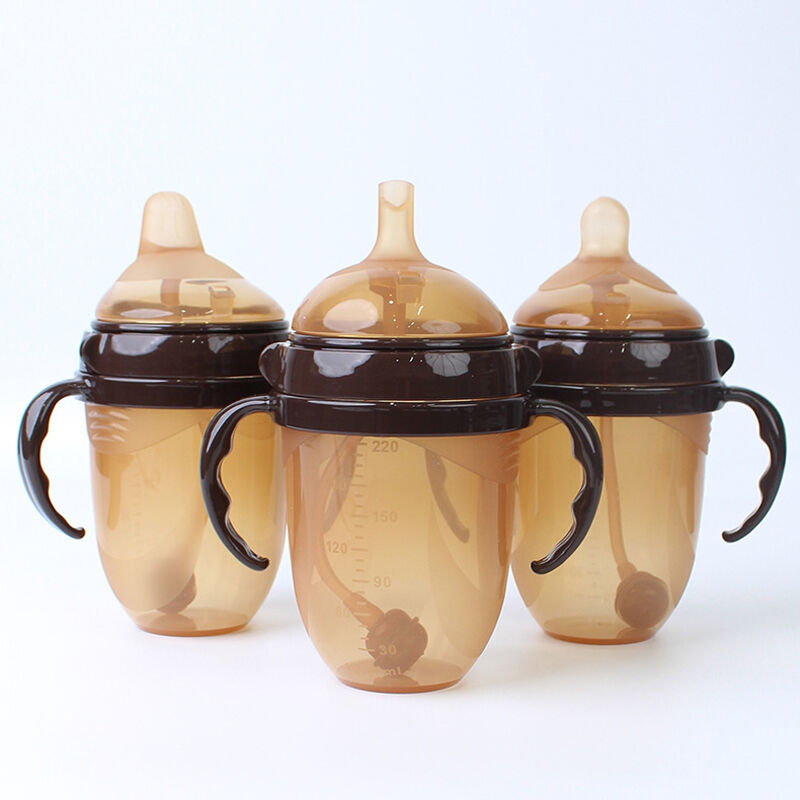
Modern parents increasingly prioritize safety and quality when selecting feeding products for their infants, making regulatory compliance a critical factor in product development. A silicone baby bottle must undergo rigorous design processes and testing protocols to meet stringent international safety standards such as FDA and LFGB regulations. These comprehensive standards ensure that every component, from the nipple to the bottle body, maintains the highest levels of safety for infant feeding applications. The design process involves careful material selection, manufacturing precision, and extensive quality control measures that guarantee the final product exceeds regulatory requirements while providing optimal functionality for both parents and babies.
Understanding FDA and LFGB Regulatory Framework
FDA Requirements for Infant Feeding Products
The Food and Drug Administration establishes comprehensive guidelines for materials that come into contact with food products, particularly those intended for infant consumption. These regulations specifically address the chemical composition, migration limits, and safety testing requirements for silicone materials used in baby feeding products. A compliant silicone baby bottle must demonstrate that no harmful substances migrate from the material into milk or formula under normal use conditions. The FDA requires extensive documentation of raw material sources, manufacturing processes, and finished product testing results to ensure consistent safety standards.
Testing protocols mandated by the FDA include migration studies under various temperature conditions, since infant feeding often involves heated liquids. Manufacturers must conduct these tests using standardized food simulants that represent different types of baby formula and breast milk compositions. The silicone baby bottle design must also account for repeated sterilization cycles, as parents frequently sanitize feeding equipment to maintain hygiene standards. These regulatory requirements drive innovation in material science and manufacturing techniques to create products that maintain safety while offering practical benefits for everyday use.
LFGB Standards and European Market Compliance
The German Food and Feed Code, known as LFGB, represents one of the most stringent regulatory frameworks for food contact materials in Europe. This standard requires comprehensive testing for heavy metals, volatile organic compounds, and other potentially harmful substances that could migrate from silicone into food products. A silicone baby bottle designed for the European market must demonstrate compliance with migration limits that are often more restrictive than other international standards. The LFGB testing procedures involve sophisticated analytical methods to detect even trace amounts of unwanted substances.
European consumers particularly value products that exceed basic safety requirements, making LFGB compliance a competitive advantage in the marketplace. The standard addresses not only chemical safety but also physical properties such as durability, resistance to cracking, and performance under extreme temperature variations. Manufacturing facilities producing LFGB-compliant products must implement quality management systems that ensure consistent adherence to these elevated standards throughout the production process.
Material Science and Silicone Selection
Food-Grade Silicone Properties
The foundation of any compliant silicone baby bottle begins with the selection of appropriate raw materials that possess inherent safety characteristics. Food-grade silicone polymers are specifically formulated to minimize the presence of potentially harmful additives, catalysts, and processing aids that could pose risks to infant health. These materials undergo extensive purification processes to remove impurities and achieve the purity levels required for direct food contact applications. The molecular structure of food-grade silicone provides excellent chemical inertness, meaning it does not react with acidic or basic substances commonly found in infant formula and breast milk.
Platinum-catalyzed silicone systems represent the gold standard for infant feeding products due to their superior safety profile compared to alternative curing systems. These materials cure without producing potentially harmful byproducts and demonstrate exceptional stability over extended periods of use. The silicone baby bottle design process must carefully consider the compatibility between different silicone formulations used for various components to ensure optimal performance and safety.
Advanced Testing and Validation Methods
Comprehensive testing protocols extend beyond basic regulatory requirements to ensure superior product safety and performance. Migration testing involves exposing silicone samples to various food simulants under controlled temperature and time conditions that simulate real-world usage scenarios. These tests measure the transfer of specific compounds from the silicone matrix into the test medium, providing quantitative data on material safety. Advanced analytical techniques such as gas chromatography-mass spectrometry enable detection of trace levels of potentially concerning substances.
Physical property testing evaluates the mechanical characteristics that affect product durability and user safety. This includes assessments of tear resistance, compression set, and thermal cycling performance to ensure that the silicone baby bottle maintains its integrity throughout its intended lifespan. Accelerated aging studies simulate the effects of prolonged use and repeated sterilization cycles, providing confidence that the product will continue to meet safety standards over time. These comprehensive validation methods support regulatory submissions and provide manufacturers with detailed performance data.
Design Engineering for Regulatory Compliance
Component Integration and Safety Considerations
The engineering design of a compliant silicone baby bottle requires careful attention to component interfaces and potential failure modes that could compromise safety or performance. Each connection point between the bottle body, nipple, and closure system must be designed to prevent separation during use while maintaining easy assembly for cleaning and maintenance. The design team must consider how different silicone durometers and formulations work together to create a cohesive product that meets both functional requirements and regulatory standards.
Safety engineering principles guide the development of features that prevent choking hazards, ensure appropriate flow rates, and minimize the risk of component degradation over time. The silicone baby bottle design incorporates specific dimensional tolerances and surface finishes that facilitate thorough cleaning while preventing the accumulation of bacteria or other contaminants. Computational modeling techniques help optimize the internal geometry to promote efficient mixing and prevent stagnation zones where cleaning solutions might not reach effectively.
Manufacturing Process Control and Quality Assurance
Achieving consistent regulatory compliance requires sophisticated manufacturing process control systems that monitor critical parameters throughout production. Temperature profiles during vulcanization must be carefully controlled to ensure complete curing while preventing thermal degradation that could create unwanted reaction products. Process validation studies demonstrate that manufacturing parameters consistently produce products that meet all safety and performance specifications. Statistical process control methods help identify trends that might indicate potential quality issues before they result in non-conforming products.
Quality assurance protocols include both in-process monitoring and finished product testing to verify compliance with all applicable standards. Batch testing procedures ensure that each production lot meets the established safety criteria before release to the market. Traceability systems track raw materials from suppliers through finished products to customers, enabling rapid response to any quality concerns that might arise. The silicone baby bottle manufacturing process incorporates multiple checkpoints where products are evaluated against predetermined acceptance criteria.
Innovation in Safe Design Solutions
Advanced Safety Features and User Benefits
Modern silicone baby bottle designs incorporate innovative safety features that exceed basic regulatory requirements while providing enhanced user experience. Anti-colic venting systems designed into the bottle structure help reduce air intake during feeding, potentially minimizing digestive discomfort for infants. These design elements must be carefully engineered to maintain structural integrity while providing the desired functional benefits. Surface texturing and grip features enhance handling safety for parents while ensuring that the product remains easy to clean and sterilize.
Temperature indication technologies integrated into some silicone baby bottle designs provide visual feedback to help parents ensure that milk or formula is at an appropriate temperature for safe consumption. These features utilize thermochromic materials that change color in response to temperature variations, offering an additional safety mechanism beyond traditional testing methods. The integration of such features requires careful consideration of material compatibility and long-term stability to ensure that safety indication remains reliable throughout the product's lifespan.
Sustainable Design and Environmental Considerations
Environmental sustainability increasingly influences the design of infant feeding products, with manufacturers seeking to balance safety requirements with reduced environmental impact. Durable silicone formulations extend product lifespan, reducing the frequency of replacement and associated waste generation. The design of modular systems allows parents to replace individual components as needed rather than discarding entire assemblies, further enhancing sustainability. These design approaches must maintain full compliance with safety standards while providing environmental benefits.
Recyclability considerations influence material selection and product design decisions, though safety requirements remain the primary consideration for infant feeding products. Some manufacturers develop take-back programs that ensure proper recycling of silicone baby bottle products at the end of their useful life. The design process increasingly incorporates lifecycle assessment methodologies to evaluate the total environmental impact while maintaining the uncompromising safety standards required for infant feeding applications.
Testing and Certification Processes
Laboratory Testing Protocols and Standards
Comprehensive laboratory testing forms the foundation of regulatory compliance for any silicone baby bottle entering the market. Migration testing protocols simulate various use conditions including different temperatures, contact times, and food simulants that represent the range of substances the product might encounter during normal use. These tests must be conducted by accredited laboratories using validated analytical methods to ensure reliable and reproducible results. The testing matrix typically includes multiple food simulants such as distilled water, acetic acid solutions, and ethanol solutions that simulate different types of infant formula and breast milk.
Physical testing evaluates mechanical properties that affect both safety and performance characteristics of the finished product. Tensile strength measurements ensure that the silicone baby bottle can withstand normal handling forces without failure, while compression set testing verifies that sealing surfaces maintain their effectiveness over time. Thermal cycling tests subject products to repeated heating and cooling cycles that simulate sterilization and use patterns, ensuring that material properties remain stable throughout the expected product lifespan.
Third-Party Certification and Ongoing Compliance
Independent third-party certification provides additional assurance that silicone baby bottle products meet or exceed applicable safety standards. Certification bodies conduct comprehensive audits of manufacturing facilities, quality systems, and testing protocols to verify compliance with regulatory requirements. These audits typically include reviews of supplier qualification processes, incoming material testing procedures, and finished product quality control measures. Ongoing surveillance audits ensure that manufacturers maintain compliance standards over time.
Continuous monitoring programs track product performance in the marketplace and identify any emerging safety concerns that might require design modifications or enhanced testing protocols. Post-market surveillance data helps manufacturers improve future product designs while maintaining confidence in current offerings. The silicone baby bottle industry benefits from collaborative efforts between manufacturers, regulatory agencies, and testing laboratories to advance safety standards and testing methodologies.
FAQ
What specific tests are required for FDA approval of silicone baby bottles?
FDA approval for silicone baby bottles requires comprehensive migration testing using standardized food simulants under various temperature and time conditions. These tests measure the transfer of potentially harmful substances from the silicone into food-contact environments. Additional testing includes evaluation of heavy metals, volatile organic compounds, and specific additives that might be present in the silicone formulation. Physical property testing ensures that the material maintains its integrity under normal use conditions including repeated sterilization cycles.
How do LFGB standards differ from FDA requirements for baby feeding products?
LFGB standards typically impose more stringent migration limits for certain substances compared to FDA requirements, particularly for heavy metals and specific organic compounds. The European standard requires testing with additional food simulants and often mandates longer contact times to simulate extended use scenarios. LFGB compliance also addresses sensory evaluation requirements to ensure that the silicone material does not impart taste or odor to food products. Manufacturing facility requirements under LFGB may be more comprehensive, including detailed documentation of quality management systems.
What role does material selection play in achieving regulatory compliance?
Material selection represents the foundation of regulatory compliance, as only specific grades of food-contact silicone can meet the stringent safety requirements for infant feeding products. Platinum-catalyzed silicone systems are typically preferred because they cure without producing potentially harmful byproducts and demonstrate superior chemical inertness. The selection process must consider not only the base polymer but also all additives, colorants, and processing aids used in the formulation. Supplier qualification and raw material certification provide traceability and ensure consistent quality from batch to batch.
How frequently must silicone baby bottles undergo safety testing during production?
Safety testing frequency depends on production volume, regulatory requirements, and manufacturer quality systems, but typically includes both batch testing and periodic comprehensive evaluation. Routine batch testing may focus on key safety parameters such as migration limits for critical substances, while comprehensive testing including full migration studies might be conducted quarterly or annually. Any changes to materials, processes, or suppliers typically trigger additional testing requirements to validate continued compliance. Ongoing monitoring helps ensure that products consistently meet safety standards throughout their manufacturing lifecycle.
Table of Contents
- Understanding FDA and LFGB Regulatory Framework
- Material Science and Silicone Selection
- Design Engineering for Regulatory Compliance
- Innovation in Safe Design Solutions
- Testing and Certification Processes
-
FAQ
- What specific tests are required for FDA approval of silicone baby bottles?
- How do LFGB standards differ from FDA requirements for baby feeding products?
- What role does material selection play in achieving regulatory compliance?
- How frequently must silicone baby bottles undergo safety testing during production?