
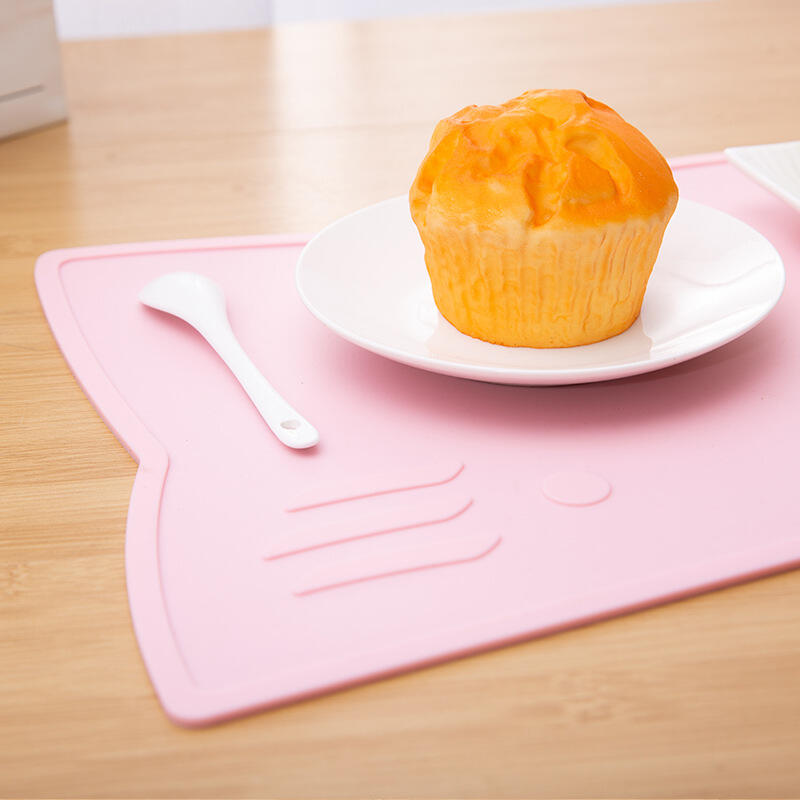
Understanding how a silicone mat performs under extreme heat is crucial for food service professionals, industrial kitchens, and commercial baking operations. High-temperature food applications demand materials that maintain structural integrity, food safety standards, and consistent performance when exposed to temperatures ranging from 400°F to 500°F or higher. The performance characteristics of a silicone mat in these demanding conditions directly impact food quality, operational efficiency, and equipment longevity in professional food preparation environments.
The molecular structure of food-grade silicone enables superior thermal stability compared to traditional rubber or plastic alternatives, making a silicone mat an ideal solution for high-heat cooking processes. When subjected to extreme temperatures, the cross-linked polymer chains in silicone maintain their flexibility and non-stick properties while resisting thermal degradation that would compromise other materials. This unique chemical composition allows a silicone mat to function effectively in applications such as pizza ovens, industrial baking systems, and high-temperature food processing equipment where consistent performance is essential.
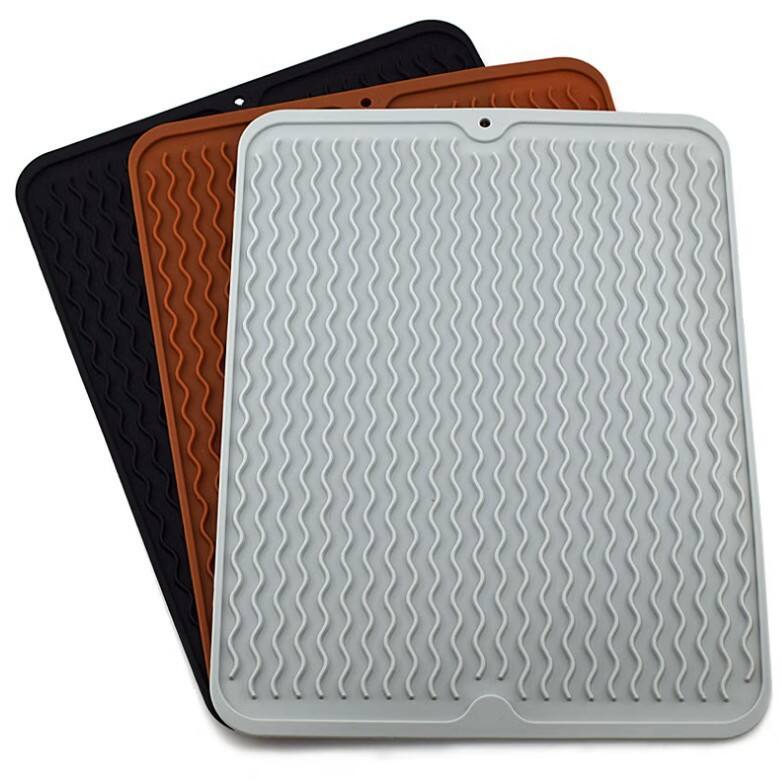
Thermal Performance Characteristics
Temperature Resistance Range
A quality silicone mat typically withstands continuous exposure to temperatures between 450°F and 500°F without experiencing structural failure or chemical breakdown. The thermal stability of silicone stems from its silicon-oxygen backbone, which requires significantly more energy to break compared to carbon-based polymer chains found in conventional materials. This exceptional heat resistance allows a silicone mat to maintain its shape, flexibility, and surface properties even during prolonged exposure to extreme temperatures in commercial food applications.
Professional-grade silicone formulations used in food service applications often incorporate platinum catalysts during the curing process, resulting in enhanced thermal performance and reduced outgassing at elevated temperatures. When a silicone mat is manufactured using these advanced processes, it can safely operate in temperature ranges that would cause traditional materials to melt, warp, or release harmful compounds. The consistent molecular structure ensures that thermal cycling between ambient and extreme temperatures does not create stress fractures or dimensional instability.
Heat Distribution Properties
The thermal conductivity of a silicone mat provides uniform heat distribution across its surface, preventing hot spots that could lead to uneven cooking or food burning. Unlike metal surfaces that can create temperature variations, the consistent thermal properties of silicone ensure that heat transfer remains predictable and controllable. This characteristic proves particularly valuable in commercial baking applications where consistent product quality depends on uniform temperature exposure across large surface areas.
The low thermal mass of a silicone mat allows for rapid temperature response when heating or cooling cycles occur during food preparation processes. This quick thermal adjustment capability enables operators to maintain precise temperature control during critical cooking phases, reducing energy consumption while improving food quality outcomes. The material's ability to quickly equilibrate with surrounding temperatures makes it ideal for applications requiring frequent temperature changes or precise thermal management.
Food Safety and Chemical Stability
Non-Reactive Surface Properties
Food-grade silicone maintains complete chemical inertness when exposed to acids, bases, oils, and other food components commonly encountered in high-temperature cooking applications. A silicone mat does not leach chemicals, absorb flavors, or react with food ingredients even under extreme thermal stress, ensuring that food safety standards remain uncompromised throughout the cooking process. This chemical stability is particularly important in commercial food operations where regulatory compliance and product integrity are critical business requirements.
The non-porous surface structure of a silicone mat prevents bacterial growth and makes thorough cleaning possible even after exposure to high-fat or high-sugar food products at elevated temperatures. Unlike porous materials that can harbor contaminants, the smooth silicone surface allows for complete sanitization using standard food service cleaning protocols. This hygienic performance characteristic reduces cross-contamination risks and supports food safety management systems in commercial kitchens and food processing facilities.
Regulatory Compliance Standards
Professional-grade silicone mat products manufactured for food contact applications must meet stringent FDA and European food safety regulations governing material composition and performance under thermal stress. These regulations specify maximum allowable levels of volatile compounds, heavy metals, and other potentially harmful substances that could migrate from the material into food products during high-temperature exposure. Compliance with these standards ensures that a silicone mat maintains food safety integrity throughout its operational lifespan.
Testing protocols for food-grade silicone materials include accelerated aging studies that simulate years of high-temperature exposure to verify long-term chemical stability and safety performance. A properly certified silicone mat undergoes rigorous evaluation including migration testing, thermal cycling analysis, and chemical resistance verification to ensure consistent safety performance under real-world operating conditions. These comprehensive testing requirements provide confidence that the material will maintain food safety standards throughout extended use in demanding commercial applications.
Mechanical Performance Under Heat Stress
Flexibility and Durability Retention
The elastomeric properties of silicone enable a silicone mat to maintain flexibility and tear resistance even after thousands of thermal cycles between ambient and extreme temperatures. This mechanical stability prevents cracking, splitting, or brittleness that would compromise the mat's functionality and potentially create food contamination hazards. The ability to repeatedly flex and bend without permanent deformation allows for easy handling and storage even after prolonged high-temperature exposure.
Cross-linking density in the silicone polymer network directly influences the mechanical performance characteristics of a silicone mat under thermal stress. Properly formulated materials maintain tensile strength and elongation properties within acceptable ranges even after extended exposure to temperatures exceeding 450°F. This mechanical integrity ensures that the mat continues to provide reliable non-stick performance and easy food release throughout its operational lifespan in commercial food applications.
Dimensional Stability Factors
Thermal expansion coefficients for high-quality silicone materials remain relatively low and predictable, allowing a silicone mat to maintain consistent dimensions across its operating temperature range. This dimensional stability prevents warping or distortion that could create uneven cooking surfaces or interfere with equipment fit and function. Predictable thermal expansion behavior enables precise sizing and installation in commercial food equipment where dimensional accuracy is critical for proper operation.
The coefficient of thermal expansion for silicone typically ranges from 200 to 300 parts per million per degree Celsius, which is significantly lower than many alternative materials used in food service applications. This low expansion rate means that a silicone mat experiences minimal size changes even when subjected to temperature swings of several hundred degrees. The resulting dimensional predictability allows for precise engineering tolerances in commercial food equipment design and ensures consistent fit and performance throughout the material's service life.
Practical Application Performance
Commercial Baking Operations
In commercial baking environments where conveyor ovens operate continuously at temperatures between 400°F and 500°F, a silicone mat provides consistent non-stick performance without the need for additional release agents or frequent replacement. The material's ability to withstand repeated thermal cycling while maintaining surface properties makes it ideal for high-volume production environments where equipment downtime and maintenance costs directly impact profitability. Professional bakers rely on the predictable release characteristics of silicone to ensure consistent product quality across large production runs.
The thermal shock resistance of a quality silicone mat allows it to function effectively in rapid-cycle baking applications where products move quickly between different temperature zones. This capability proves essential in automated baking systems where materials must withstand sudden temperature changes without cracking or losing their non-stick properties. The ability to maintain performance consistency under these demanding conditions makes silicone mat technology a preferred choice for industrial baking operations.
Food Processing and Preparation
High-temperature food processing applications such as chocolate tempering, sugar work, and industrial cooking benefit from the thermal stability and easy-release properties of a silicone mat. The material's ability to maintain consistent surface characteristics at elevated temperatures ensures predictable food processing outcomes while reducing waste and improving operational efficiency. Food processors appreciate the easy cleaning characteristics that allow for quick changeovers between different products without flavor transfer or contamination concerns.
In applications involving direct contact with hot oils, sugars, or other high-temperature food materials, a silicone mat provides superior chemical resistance compared to traditional release materials. The non-reactive surface prevents degradation or contamination that could affect food quality or safety, while the easy-release properties minimize product waste and reduce cleaning time between production runs. These performance advantages translate directly into improved productivity and reduced operating costs in commercial food processing operations.
FAQ
What is the maximum safe operating temperature for a silicone mat in food applications?
Food-grade silicone mat materials typically maintain safe performance characteristics up to 500°F for continuous use, with some specialized formulations capable of withstanding intermittent exposure to temperatures as high as 550°F. The specific temperature rating depends on the silicone formulation and manufacturing process, so it's essential to verify the manufacturer's specifications for your particular application. Operating within the recommended temperature range ensures optimal performance and food safety compliance throughout the mat's service life.
How does thermal cycling affect the long-term performance of a silicone mat?
Quality silicone mat materials are designed to withstand thousands of thermal cycles between ambient and extreme temperatures without significant degradation of their mechanical or surface properties. The cross-linked polymer structure of silicone provides inherent resistance to thermal fatigue, allowing the material to maintain flexibility, tear resistance, and non-stick characteristics throughout extended use. Regular inspection for signs of cracking, permanent deformation, or surface degradation helps ensure continued safe performance in high-temperature food applications.
Can a silicone mat maintain its non-stick properties after prolonged high-temperature exposure?
The non-stick properties of a properly formulated silicone mat remain stable even after thousands of hours of high-temperature exposure due to the inherent low surface energy characteristics of the silicone polymer. Unlike coated materials that can wear or degrade over time, the non-stick behavior of silicone is an intrinsic material property that does not rely on surface treatments or coatings. Regular cleaning with appropriate food-safe detergents helps maintain optimal release performance throughout the material's operational lifespan.
What cleaning procedures are recommended for silicone mats used in high-temperature food applications?
Silicone mat cleaning protocols for high-temperature food applications should include thorough washing with hot water and food-grade detergents, followed by complete drying before storage or reuse. The non-porous surface of silicone allows for effective sanitization using standard commercial dishwashing equipment or manual cleaning procedures. Avoid using abrasive cleaners or sharp implements that could damage the surface, and ensure complete removal of food residues that could carbonize during subsequent high-temperature exposure.
Table of Contents
- Thermal Performance Characteristics
- Food Safety and Chemical Stability
- Mechanical Performance Under Heat Stress
- Practical Application Performance
-
FAQ
- What is the maximum safe operating temperature for a silicone mat in food applications?
- How does thermal cycling affect the long-term performance of a silicone mat?
- Can a silicone mat maintain its non-stick properties after prolonged high-temperature exposure?
- What cleaning procedures are recommended for silicone mats used in high-temperature food applications?