
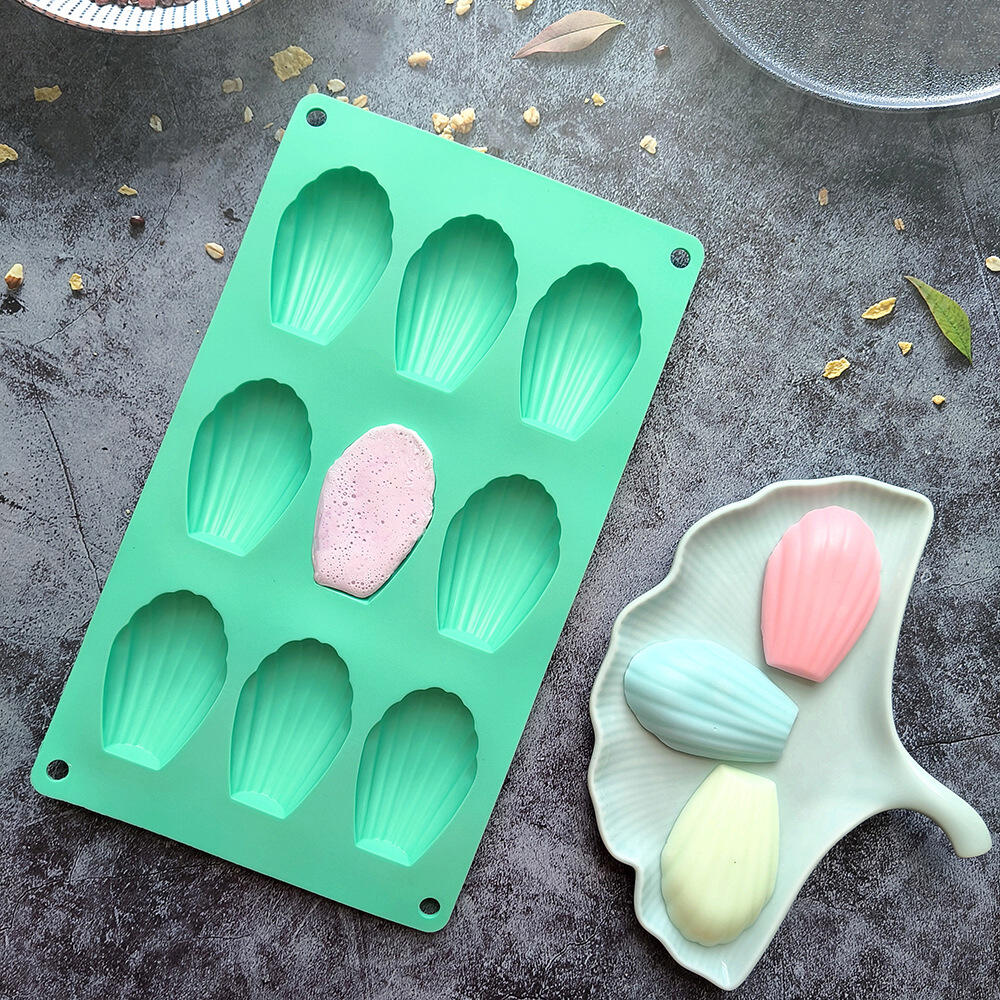
B2B buyers in the soap manufacturing industry face a critical decision when selecting soap mold silicone materials, as the quality of these molds directly impacts production efficiency, product consistency, and overall profitability. The evaluation process requires a systematic approach that goes beyond surface-level considerations, examining factors such as material composition, durability ratings, thermal stability, and compliance with industry standards. Understanding how professional buyers assess soap mold silicone quality enables suppliers to better meet market demands while helping manufacturers make informed purchasing decisions that align with their operational requirements and quality objectives.
The B2B evaluation framework for soap mold silicone encompasses multiple technical criteria and business considerations that influence long-term partnership success. Professional procurement teams typically develop comprehensive assessment protocols that evaluate material properties, supplier capabilities, cost-effectiveness, and regulatory compliance. This structured approach ensures that the selected soap mold silicone meets production specifications while delivering optimal return on investment through extended service life, consistent performance, and minimal maintenance requirements.
Material Composition and Grade Assessment
Silicone Polymer Base Analysis
B2B buyers begin their evaluation by examining the fundamental polymer structure of soap mold silicone materials, focusing on the cross-linking density and molecular weight distribution that determine mechanical properties. Professional buyers request detailed material data sheets that specify the silicone grade, typically ranging from industrial-grade formulations to food-safe certified compounds. The polymer base directly influences key performance characteristics including flexibility, tear resistance, and chemical compatibility with various soap formulations and additives.
Quality assessment protocols often include verification of the silicone's Shore hardness rating, which indicates the material's resistance to deformation under applied loads. B2B buyers evaluate whether the soap mold silicone maintains consistent hardness values across different temperature ranges, ensuring reliable demolding performance throughout production cycles. The molecular stability of the polymer matrix also affects long-term durability, making it essential for buyers to understand the material's resistance to oxidative degradation and thermal aging.
Additive and Filler Content Evaluation
Professional buyers scrutinize the additive packages incorporated into soap mold silicone formulations, as these components significantly impact performance characteristics and regulatory compliance. Reinforcing fillers such as fumed silica enhance mechanical strength and dimensional stability, while processing aids improve flowability during mold manufacturing. B2B evaluation criteria include assessment of filler distribution homogeneity, which affects surface finish quality and mold longevity under repeated use cycles.
The presence of catalysts and accelerators in soap mold silicone formulations requires careful evaluation to ensure compatibility with soap ingredients and manufacturing processes. Buyers examine material safety data sheets to verify that additives comply with relevant regulations for consumer product contact applications. Cross-linking agents and their concentration levels directly influence cure characteristics, making it crucial for B2B buyers to understand how additive content affects processing parameters and final mold properties.
Physical and Mechanical Property Testing
Tensile Strength and Elongation Characteristics
B2B buyers conduct comprehensive mechanical testing to evaluate the tensile properties of soap mold silicone candidates, measuring ultimate tensile strength, elongation at break, and elastic modulus values. These parameters determine the mold's ability to withstand demolding stresses without tearing or permanent deformation. Professional evaluation protocols typically require test specimens prepared according to standardized procedures, ensuring consistent and comparable results across different supplier offerings.
The stress-strain behavior of soap mold silicone under various loading conditions provides critical insights into material performance during production operations. B2B buyers analyze hysteresis characteristics to understand energy loss during cyclic loading, which affects mold fatigue resistance and service life expectations. Temperature-dependent mechanical properties receive particular attention, as soap manufacturing often involves elevated temperatures that can influence silicone performance characteristics.
Tear Resistance and Durability Analysis
Tear propagation resistance represents a crucial evaluation criterion for B2B buyers, as soap mold silicone must withstand repeated flexing and stretching during demolding operations without developing stress concentrations or crack propagation. Professional testing methodologies include trouser tear and Graves tear tests that quantify the material's resistance to crack initiation and growth under realistic loading conditions. These assessments help predict mold service life and maintenance requirements in production environments.
Fatigue testing protocols evaluate how soap mold silicone performs under cyclic loading conditions that simulate actual production use patterns. B2B buyers examine crack growth rates and failure modes to understand long-term durability expectations and establish appropriate replacement schedules. The material's ability to maintain mechanical properties after extended exposure to soap ingredients, cleaning agents, and temperature cycling provides essential information for cost-benefit analysis and supplier selection decisions.
Thermal Stability and Processing Characteristics
Temperature Range Performance
Professional buyers evaluate the thermal performance envelope of soap mold silicone materials across the full spectrum of anticipated operating conditions, from ambient storage temperatures to elevated processing and curing temperatures. The glass transition temperature and thermal decomposition onset temperature define the usable temperature range and help establish safe operating parameters. B2B evaluation criteria include assessment of thermal expansion coefficients that affect dimensional stability during temperature cycling.
Heat aging studies provide crucial data about long-term thermal stability, revealing how extended exposure to elevated temperatures affects mechanical properties and surface characteristics. Professional buyers examine changes in hardness, elasticity, and surface texture after accelerated aging protocols that simulate years of production use. The retention of key properties after thermal cycling indicates material reliability and helps predict replacement intervals for production planning purposes.
Cure Characteristics and Processing Windows
B2B buyers assess the curing behavior of soap mold silicone materials to ensure compatibility with manufacturing processes and quality control requirements. Cure kinetics, including pot life, gel time, and full cure duration, directly impact production scheduling and inventory management. Professional evaluation includes rheological testing to understand viscosity changes during cure progression and identify optimal processing windows for mold fabrication and quality assurance.
The inhibition sensitivity of soap mold silicone formulations requires careful evaluation, as certain substances can interfere with cure chemistry and result in incomplete polymerization or surface defects. B2B buyers test compatibility with common soap ingredients, mold release agents, and cleaning compounds to ensure reliable processing outcomes. Understanding cure sensitivity helps establish proper handling procedures and quality control protocols for consistent mold production.
Surface Quality and Release Performance
Surface Finish and Texture Replication
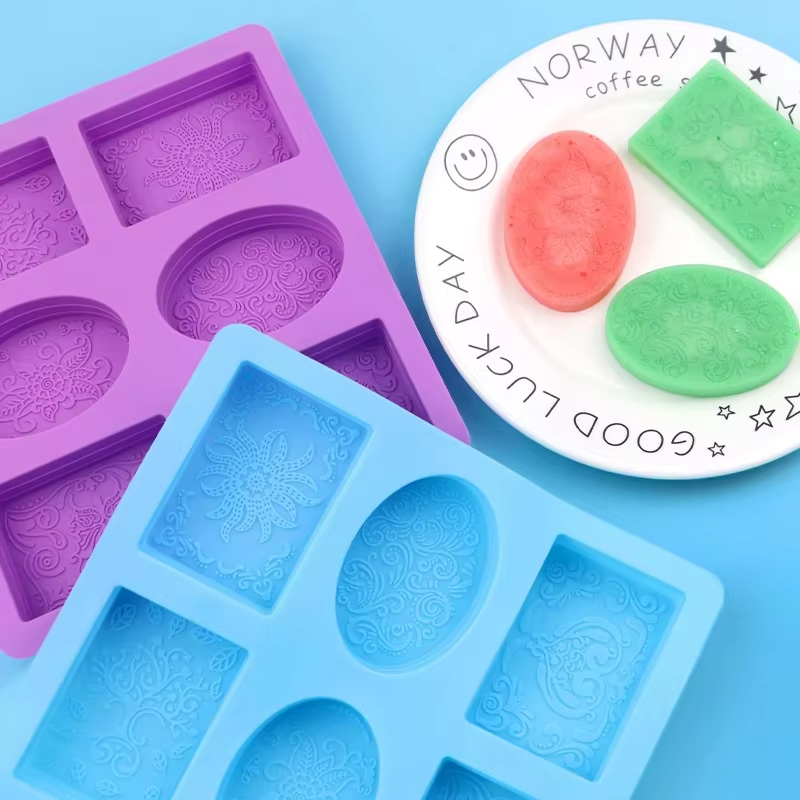
The ability of soap mold silicone to capture and reproduce fine surface details directly impacts the quality and market appeal of finished soap products. B2B buyers evaluate surface replication fidelity through microscopic analysis and dimensional measurements, examining how well the silicone reproduces textures, patterns, and intricate geometries. High-quality soap mold silicone maintains sharp edge definition and smooth surface finishes that translate directly to superior product appearance.
Surface energy characteristics of cured soap mold silicone affect release properties and cleaning requirements, making this a critical evaluation parameter for B2B buyers. Low surface energy promotes easy demolding and reduces the likelihood of soap adhesion or surface defects. Professional assessment includes contact angle measurements and surface roughness analysis to quantify these properties and predict performance in production applications.
Release Agent Compatibility and Cleaning Requirements
Professional buyers evaluate the compatibility of soap mold silicone with various release agents and cleaning protocols used in production environments. Some silicone formulations require specific release treatments, while others provide inherent non-stick properties that eliminate the need for additional processing aids. B2B assessment criteria include evaluation of how release agent application affects surface quality, cure inhibition, and long-term mold performance.
The ease of cleaning and maintenance represents a significant operational consideration for B2B buyers, as soap mold silicone must withstand repeated exposure to cleaning agents without degradation or performance loss. Resistance to alkaline cleaners, solvents, and sanitizing agents affects mold service life and maintenance costs. Professional evaluation includes accelerated cleaning studies that simulate extended use and identify any adverse effects on material properties or surface characteristics.
FAQ
What testing standards do B2B buyers use to evaluate soap mold silicone quality?
B2B buyers typically reference ASTM D412 for tensile testing, ASTM D624 for tear resistance evaluation, and ASTM D2240 for hardness measurements when assessing soap mold silicone quality. Many buyers also require compliance with FDA CFR 177.2600 for food contact applications and USP Class VI certification for biocompatibility. ISO 37 and ISO 34 standards provide additional testing protocols for mechanical property evaluation, while thermal analysis follows ASTM D3418 and ASTM E1131 methodologies.
How do B2B buyers verify the regulatory compliance of soap mold silicone materials?
Professional buyers require comprehensive documentation including certificates of analysis, material safety data sheets, and third-party test reports that verify compliance with applicable regulations. For soap applications, this typically includes FDA food contact compliance, European Commission Regulation 10/2011 for plastic materials, and various international standards depending on target markets. Buyers often conduct supplier audits to verify quality management systems and regulatory compliance procedures, ensuring consistent material quality and documentation.
What role does supplier technical support play in B2B soap mold silicone evaluation?
B2B buyers consider technical support capabilities as a critical evaluation factor, assessing the supplier's ability to provide application guidance, troubleshooting assistance, and custom formulation development. Professional buyers evaluate the supplier's technical expertise through discussions about processing parameters, performance optimization, and problem-solving capabilities. Access to technical documentation, training resources, and responsive customer service significantly influences supplier selection decisions, as these factors directly impact production efficiency and quality outcomes.
How do B2B buyers assess the cost-effectiveness of different soap mold silicone options?
Professional buyers conduct total cost of ownership analyses that consider initial material cost, mold service life, maintenance requirements, and production efficiency impacts. This evaluation includes assessment of yield per unit of silicone, cycle time effects, defect rates, and replacement frequency. B2B buyers also factor in inventory carrying costs, shipping expenses, and supplier payment terms when comparing options. The analysis typically extends beyond unit price to consider long-term value delivery and operational impact on production profitability.
Table of Contents
- Material Composition and Grade Assessment
- Physical and Mechanical Property Testing
- Thermal Stability and Processing Characteristics
- Surface Quality and Release Performance
-
FAQ
- What testing standards do B2B buyers use to evaluate soap mold silicone quality?
- How do B2B buyers verify the regulatory compliance of soap mold silicone materials?
- What role does supplier technical support play in B2B soap mold silicone evaluation?
- How do B2B buyers assess the cost-effectiveness of different soap mold silicone options?