
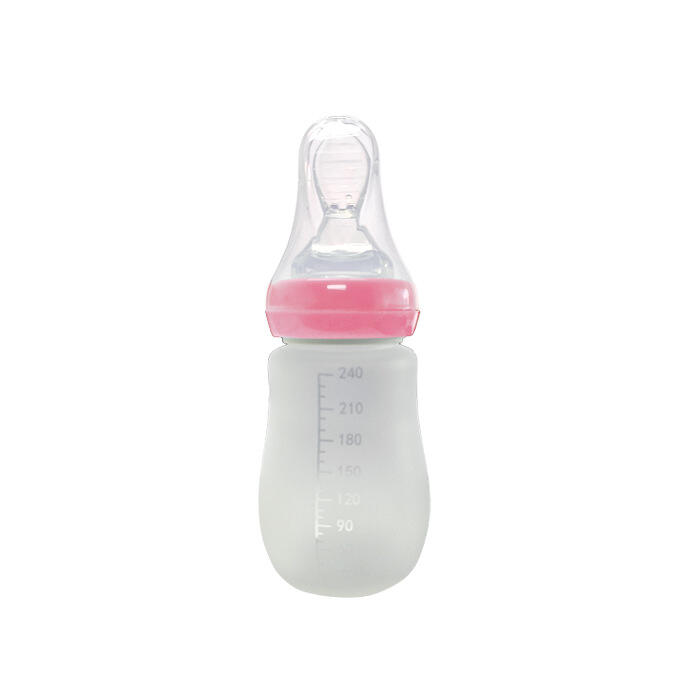
The valve system in a baby bottle represents one of the most critical engineering components that directly influences feeding success, yet many parents remain unaware of how valve design fundamentally affects their infant's feeding experience. Understanding the mechanics of how silicone baby bottle valves regulate airflow, control liquid flow rates, and respond to varying suction pressures can help parents make informed decisions about feeding equipment that promotes healthy development and reduces common feeding challenges.
Modern silicone valve technology in baby bottle systems operates through sophisticated pressure-responsive mechanisms that adapt to individual infant feeding patterns, creating a feeding environment that closely mimics natural breastfeeding dynamics. The design parameters of these valves, including membrane thickness, vent positioning, and material elasticity, work together to establish optimal flow characteristics that support proper oral development while preventing common issues such as colic, gas buildup, and nipple confusion during the critical early months of feeding.
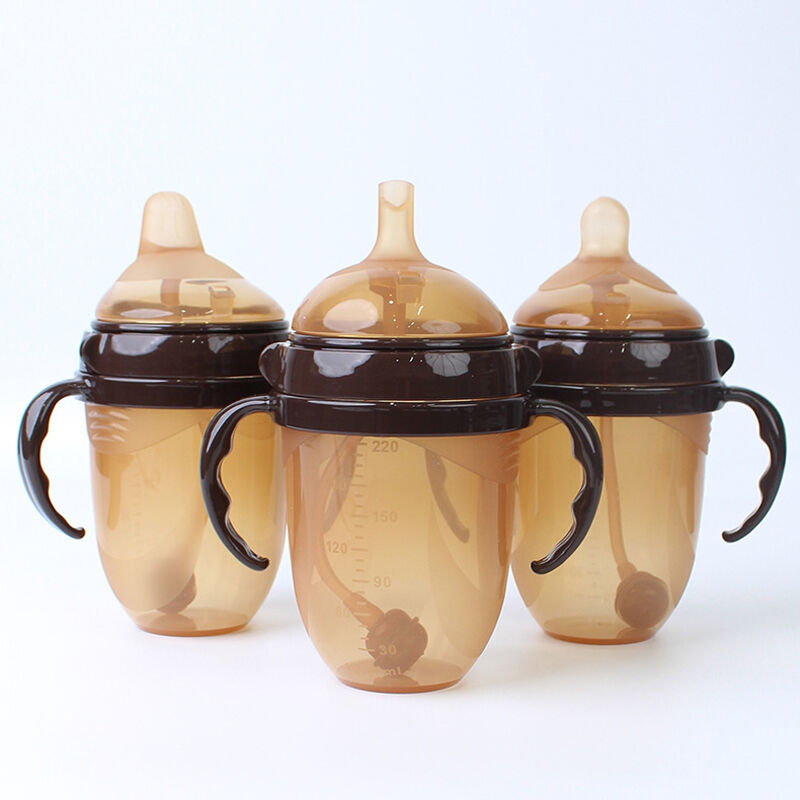
Valve Mechanics and Flow Control Systems
Pressure-Responsive Valve Operation
Silicone baby bottle valves function as sophisticated pressure-regulation systems that respond to the infant's natural sucking rhythm by controlling airflow into the bottle chamber. When an infant creates negative pressure through sucking, the valve system allows measured air entry to prevent vacuum formation while maintaining consistent liquid flow rates. This pressure-responsive mechanism ensures that the baby bottle delivers nutrition at a pace that matches the infant's individual feeding capabilities without overwhelming their developing swallowing reflexes.
The elasticity characteristics of medical-grade silicone used in valve construction provide the necessary flexibility for precise pressure modulation throughout the feeding session. As suction pressure increases, the valve membrane flexes to allow appropriate airflow compensation, while reduced suction causes the valve to restrict airflow accordingly. This dynamic response system creates a self-regulating feeding environment within the baby bottle that adapts to varying infant needs throughout different developmental stages.
Advanced valve designs incorporate multiple membrane layers that work in coordination to establish graduated pressure responses, enabling fine-tuned control over flow characteristics. The interaction between primary and secondary valve membranes creates redundant pressure regulation that ensures consistent performance even under varying feeding conditions or as valve components experience normal wear from repeated sterilization cycles.
Airflow Regulation and Vacuum Prevention
The strategic positioning of valve openings within the baby bottle system determines how effectively air circulation prevents vacuum formation during feeding sessions. Properly designed valve placement ensures that air enters the bottle chamber at controlled rates without disrupting the liquid flow path or creating turbulence that could introduce excessive air into the feeding formula or breast milk.
Valve geometry plays a crucial role in establishing laminar airflow patterns that minimize air bubble formation while maintaining adequate pressure equalization throughout the feeding process. The angle and diameter of valve openings are calibrated to work in harmony with the bottle's internal volume and nipple flow rate, creating a balanced system that supports natural feeding rhythms without introducing artificial flow restrictions or accelerations.
Temperature-stable silicone materials maintain consistent valve performance across the full range of feeding temperatures, ensuring that flow characteristics remain predictable whether the baby bottle contains room temperature, warmed, or slightly cooled nutrition. This thermal stability prevents valve stiffening or excessive softening that could compromise pressure regulation during critical feeding moments.
Impact on Feeding Rhythm and Infant Development
Natural Sucking Pattern Support
The relationship between valve design and natural infant sucking patterns directly influences oral motor development and feeding skill acquisition during the crucial early months of life. Well-engineered baby bottle valve systems respond to the characteristic burst-pause sucking rhythm that infants naturally develop, allowing periods of active sucking followed by brief rest intervals without disrupting milk flow or creating feeding frustration.
Valve responsiveness to varying suction strengths enables infants to develop proper tongue placement and jaw coordination skills that transfer effectively to breastfeeding or solid food introduction later in development. The graduated resistance provided by quality valve systems encourages appropriate oral muscle development while preventing the passive feeding patterns that can result from bottles with inadequate flow control mechanisms.
Research indicates that baby bottle valve designs that closely replicate the pressure dynamics of breastfeeding support continued breastfeeding success in combination feeding situations, as infants maintain familiarity with the natural sucking patterns required for effective nursing. This compatibility reduces the likelihood of nipple confusion and supports mothers who choose to combine bottle feeding with breastfeeding throughout their infant's early development period.
Digestive Health and Comfort Factors
The precision of valve-controlled airflow directly impacts the amount of air that enters an infant's digestive system during feeding, with well-designed baby bottle systems significantly reducing gas ingestion that contributes to colic symptoms and feeding discomfort. Proper valve function maintains the liquid-to-air ratio within the bottle at optimal levels, ensuring that infants primarily consume nutrition rather than excess air that can cause digestive distress.
Consistent flow rates established through effective valve design promote steady swallowing patterns that support proper digestive function and reduce the likelihood of reflux episodes following feeding sessions. The controlled delivery of nutrition allows infants to pace their intake according to natural satiety cues rather than being overwhelmed by uncontrolled flow surges that can result from poorly functioning valve systems.
Advanced silicone valve technologies incorporate anti-colic features that actively manage air circulation patterns within the baby bottle, creating feeding conditions that minimize the gas bubble formation and air pocket development that contribute to post-feeding discomfort. These specialized designs often include multiple air pathways that work together to maintain optimal pressure balance throughout the entire feeding session.
Material Properties and Performance Durability
Silicone Elasticity and Longevity
The molecular structure of medical-grade silicone used in baby bottle valve construction provides exceptional durability and maintains consistent performance characteristics through hundreds of sterilization cycles without degradation. Unlike rubber or plastic valve materials, silicone maintains its elastic properties across extreme temperature ranges, ensuring that valve function remains reliable whether the bottle undergoes steam sterilization, dishwasher cleaning, or microwave warming.
The cross-linked polymer chains in high-quality silicone create a material matrix that resists deformation from repeated pressure cycling, maintaining precise valve opening characteristics throughout the product's useful life. This dimensional stability ensures that flow rates remain consistent as the baby bottle ages, preventing the gradual performance degradation that can occur with lower-quality valve materials that lose elasticity over time.
Silicone's inherent resistance to chemical degradation from cleaning agents and sterilization processes ensures that valve performance remains unaffected by the rigorous hygiene maintenance required for infant feeding equipment. This chemical stability prevents the formation of micro-cracks or surface degradation that could compromise valve sealing or create harboring sites for bacterial contamination within the baby bottle system.
Hygienic Design and Maintenance Considerations
The smooth, non-porous surface characteristics of silicone valve components resist bacterial adhesion and enable thorough cleaning without requiring harsh chemical treatments that could leave residues in contact with infant nutrition. The seamless construction possible with silicone molding eliminates crevices and joints where cleaning solutions might be inadequate or where contaminants could accumulate over time.
Valve design complexity must balance sophisticated flow control capabilities with practical cleaning accessibility, ensuring that parents can effectively maintain hygiene standards without specialized equipment or complex disassembly procedures. Modern baby bottle valve systems incorporate features such as removable components and wide access openings that facilitate thorough cleaning while maintaining the precision engineering required for optimal feeding performance.
The compatibility of silicone valve materials with various sterilization methods provides parents with flexibility in maintaining appropriate hygiene levels according to their individual circumstances and preferences. Whether using steam sterilization, UV sanitization, or chemical sterilization methods, silicone valves maintain their performance characteristics while achieving the microbial reduction necessary for safe infant feeding.
Selection Criteria and Performance Optimization
Matching Valve Design to Infant Needs
The selection of appropriate valve design characteristics should consider individual infant factors such as gestational age at birth, current developmental stage, and any specific feeding challenges that may require customized flow control parameters. Premature infants often benefit from baby bottle valve systems that provide enhanced flow control and reduced suction requirements, while full-term infants may thrive with standard valve configurations that promote normal oral development patterns.
Infants with specific medical conditions such as cleft palate or neurological feeding difficulties may require specialized valve designs that accommodate altered sucking patterns or modified oral anatomy. The adaptability of silicone valve systems allows for customization of flow characteristics through valve selection or adjustment mechanisms that can be tailored to support individual therapeutic feeding goals.
The transition between different feeding stages often requires corresponding adjustments in valve performance characteristics, with newborn-appropriate slow-flow designs giving way to faster-flow systems as infant oral motor skills develop. Understanding how valve design affects feeding performance enables parents to make appropriate equipment transitions that support continued feeding success throughout rapid infant development periods.
Integration with Overall Feeding System Design
The effectiveness of any baby bottle valve system depends significantly on its integration with nipple design, bottle shape, and overall system ergonomics that work together to create optimal feeding conditions. Valve performance can be compromised when paired with incompatible nipple designs that create conflicting flow characteristics or bottle geometries that interfere with proper air circulation patterns.
The relationship between valve placement and bottle angle during feeding affects how effectively the system maintains consistent flow rates and prevents air ingestion throughout the feeding session. Bottles designed with strategic valve positioning relative to typical feeding angles ensure optimal performance regardless of how parents naturally hold the baby bottle during feeding activities.
Quality baby bottle systems incorporate design elements that work synergistically with valve function, including internal surface treatments that promote smooth liquid flow and external grip features that encourage proper positioning during feeding. This integrated design approach ensures that valve performance contributes to overall feeding success rather than operating as an isolated component within the feeding system.
FAQ
How often should baby bottle valves be replaced to maintain optimal feeding performance?
Silicone baby bottle valves should typically be replaced every 2-3 months with regular use, or sooner if you notice changes in flow rate, difficulty with suction, or visible wear such as cracks or permanent deformation. Signs that indicate valve replacement is needed include increased feeding time, excessive air bubble formation, or if the baby shows signs of frustration during feeding. Regular inspection after sterilization cycles can help identify when valve performance is beginning to decline before it significantly impacts feeding quality.
Can valve design differences cause feeding problems when switching between bottle brands?
Yes, significant differences in valve design between baby bottle brands can cause temporary feeding disruption as infants adjust to different flow characteristics and pressure requirements. Babies may initially show preference for familiar valve systems and require several feeding sessions to adapt to new flow patterns. To minimize disruption, introduce new bottle systems gradually and observe infant feeding behavior to ensure the new valve design provides appropriate flow control for your baby's developmental stage and feeding skills.
What role does bottle angle play in valve performance during feeding?
Bottle angle significantly affects valve performance by influencing how air enters the system and how liquid flows through the nipple. Most baby bottle valve systems are optimized for feeding angles between 30-45 degrees, which allows proper air circulation while maintaining steady liquid flow. Feeding at too steep an angle can cause rapid flow that overwhelms the infant, while too shallow an angle may restrict valve function and create feeding frustration. Proper positioning ensures the valve system operates as designed to provide optimal feeding performance.
How do temperature changes affect silicone valve performance in baby bottles?
High-quality silicone valves maintain consistent performance across typical feeding temperatures, but extreme temperature variations can temporarily affect valve elasticity and flow characteristics. Warming bottles to feeding temperature gradually helps ensure valve performance remains stable, while rapid temperature changes may cause temporary stiffening or softening that affects flow control. Always test formula temperature and flow rate before feeding to ensure the valve system is operating normally after any heating or cooling process.
Table of Contents
- Valve Mechanics and Flow Control Systems
- Impact on Feeding Rhythm and Infant Development
- Material Properties and Performance Durability
- Selection Criteria and Performance Optimization
-
FAQ
- How often should baby bottle valves be replaced to maintain optimal feeding performance?
- Can valve design differences cause feeding problems when switching between bottle brands?
- What role does bottle angle play in valve performance during feeding?
- How do temperature changes affect silicone valve performance in baby bottles?